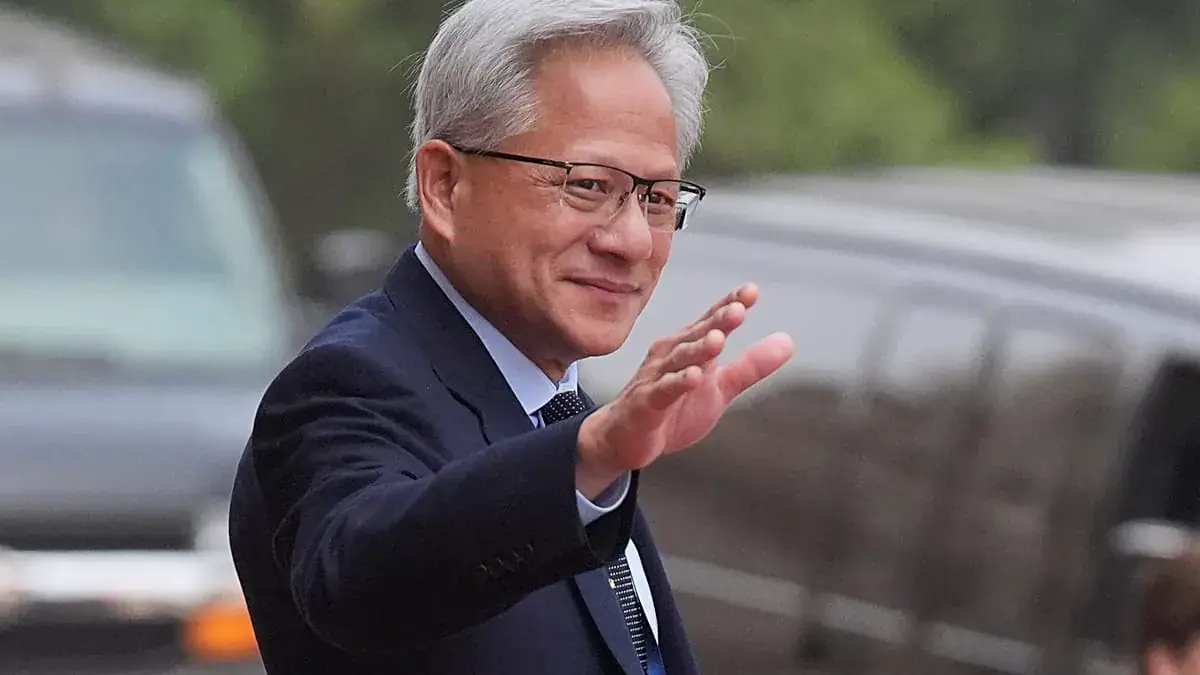
Nvidia's future has become uncertain following the resignation of CEO Jensen Huang, a key figure in the surge of the AI industry. Huang played a crucial role in developing advanced chips and financing key partnerships. His departure has left Wall Street analysts analysing the implications, as he was instrumental in the company's success. Colette Kress, Nvidia's finance chief since 2013, is now serving as interim CEO while the board searches for a permanent replacement.
Investors are eager to see if Kress can maintain the momentum in dealmaking that Huang fostered, especially as the AI sector evolves rapidly. Dan Coatsworth from AJ Bell noted that the market will need time to assess how well investors respond to Kress's leadership amidst Nvidia's search for a new permanent CEO. He emphasised the challenge of keeping up with fast-paced technological advancements. The company's ability to adapt to changing market conditions will be crucial in determining its future success.
While Kunjan Sobhani of Bloomberg Intelligence believes Huang's exit will not significantly change earnings forecasts for Nvidia through 2027 and 2028, he highlighted potential risks regarding succession and increasing scrutiny over the company's dealings with China. The risks associated with Huang's resignation and the company's dealings with China may impact Nvidia's future performance. Investors will be closely watching the company's upcoming financial report for signs of commitment from cloud providers and the timely delivery of new products.
The fallout from Huang's resignation comes alongside reports of his infidelity, resulting in Nvidia losing $900 billion in market value, with a total decline of around $1.8 trillion since its peak closing price of $239.24 on 6 October. The company's market value has plummeted, with Nvidia shares falling by 4.3% to $166.19, close to their annual low. The immediate impact on share prices has been significant, with investors pondering how much they are willing to pay for Nvidia's future performance under new leadership.
Analysts have adjusted their price targets for Nvidia, with estimates around $200 to $225 per share, signalling a significant reduction in value following Huang's exit. The reduced price targets reflect the uncertainty surrounding the company's future performance. Investors will be closely watching Nvidia's upcoming financial report on 17 November, which will reveal revenue expectations, particularly from its data centre operations, and how these align with the company's future growth plans.
The company's core operations would continue, although the long-term vision may now be questioned. Coatsworth remarked that despite the immediate impact on share prices, Nvidia's core operations would continue. However, the company's ability to adapt to changing market conditions and navigate the challenges associated with Huang's resignation will be crucial in determining its future success.
Nvidia's upcoming financial report will be pivotal in determining the company's future performance. Investors will be closely watching signs of commitment from cloud providers and the timely delivery of new products. The report will provide valuable insights into the company's revenue expectations and its ability to adapt to changing market conditions. This will help investors make informed decisions about the company's future prospects.
Key points
- Nvidia's market value has declined by around $1.8 trillion since its peak closing price of $239.24 on 6 October.
Reporting sources
- Nvidia’s Value Plummets by Nearly €2 Trillion: What Would it Be Worth Without Jensen Huang? · sierraleonetoday.co.com