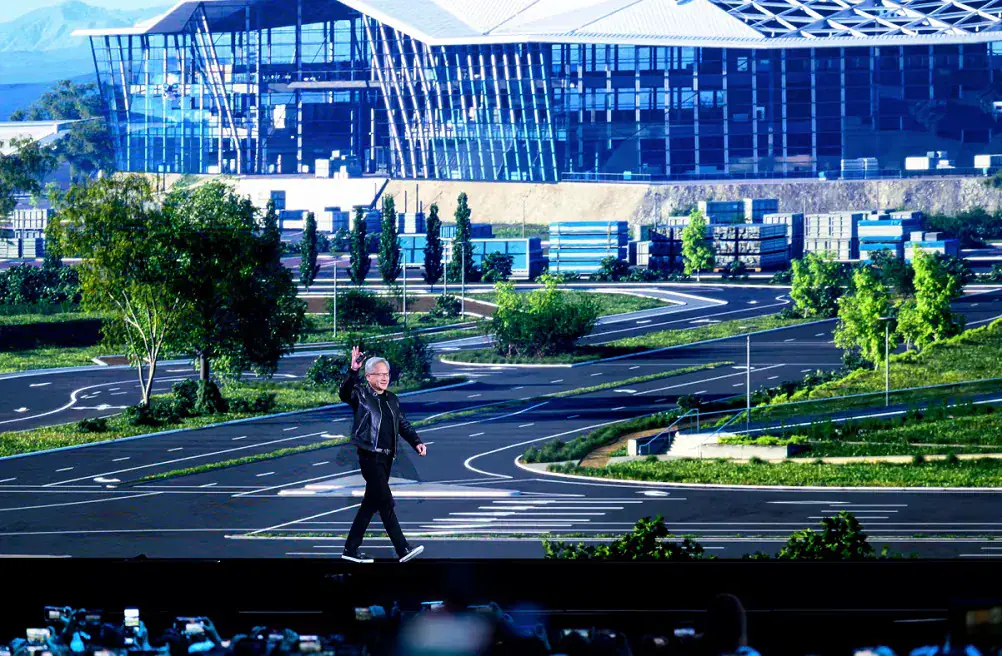
Nvidia CEO Jensen Huang has been reinstated as CEO after a scandal involving his relationship with a woman who US officials feared could be a Chinese intelligence asset and multiple reports of an extramarital affair with a subordinate. The board's decision to reinstate Huang has raised questions about their independence and ability to hold him accountable. Huang had previously expressed gratitude to longtime board members Tench Coxe, Mark Stevens, and Harvey Jones for their support over the years.
The Nvidia board has a long history with Huang, with nearly half of its 11-person board having been with the company since its early days. The three longest-serving members, Coxe, Stevens, and Jones, saw the value of their combined holdings in the company jump by nearly $2.5 billion after Huang's reinstatement. Their close relationships with Huang have sparked concerns about the board's ability to prioritize shareholder interests.
The board's composition has been criticized for being too close-knit, with four members, including Huang, having been with the company for around three decades. Research suggests that the effectiveness of a board member peaks around eight to 10 years and then declines. Experts have referred to boards with longer tenures as "zombie boards" that may be less effective in exercising oversight.
The decision to reinstate Huang was influenced by various factors, including pressure from President Donald Trump and concerns about the company's relationships with major customers. The board may have decided that Huang's return was in the best interest of all shareholders given the dramatic decline in the stock price following his exit.
The board's decision has been criticized by experts, with Jeffrey Sonnenfeld, a Yale professor, calling it a "complete failure of corporate governance" and urging the board members to resign. Others have expressed concerns that significant holdings by board members could lead to short-term decision making.
Nvidia's board has taken steps to address concerns about oversight, including the creation of a National Security and Export Controls Oversight Committee led by Suzanne Nora Johnson, the retired vice chair of Goldman Sachs. The committee was established amid the scandal and will focus on ensuring the company's compliance with national security regulations.
The reinstatement of Huang has significant implications for Nvidia's future, with the company's valuation having skyrocketed in recent years. The board's decision has raised questions about their ability to prioritize shareholder interests and ensure effective oversight of the company's leadership.
Key points
- The Nvidia board's decision to reinstate CEO Jensen Huang has sparked concerns about their independence and ability to hold him accountable.
- The board's composition has been criticized for being too close-knit, with many members having long tenures.
- Experts have expressed concerns that significant holdings by board members could lead to short-term decision making.