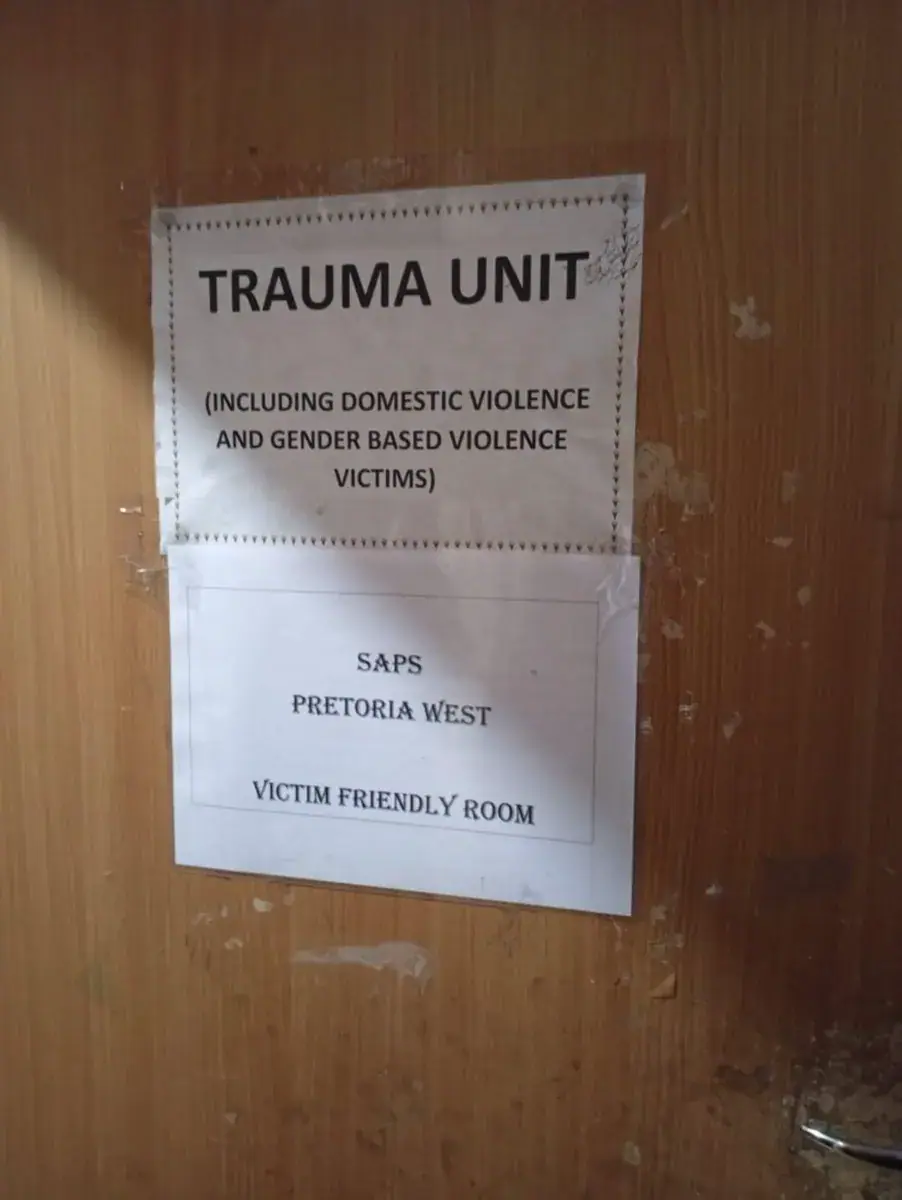
The condition of victim-friendly rooms in South African police stations has come under scrutiny, with many found to be in an unacceptable state. Chairperson of the Portfolio Committee on Police, Ian Cameron, recently visited the Pretoria West police station and was dismayed to find that the victim-friendly room was not equipped to provide the necessary support to survivors of rape and sexual violence. The room lacked a proper waiting area, had inadequate privacy, and insufficient space for children.
Jes Foord, founder and chief executive of the Jes Foord Foundation, which was established in 2008 to support survivors of rape and sexual violence, said that many victim-friendly rooms exist only on paper and are not functional. Her organization has worked with nonprofit organizations, businesses, and private individuals to restore victim-friendly rooms, but has found that some of these rooms deteriorate over time. Foord noted that facilities have been used as staff lunchrooms, left unsecured, or stripped of donated furnishings and resources.
The concerns raised about the condition of victim-friendly rooms extend beyond the physical facilities. Sinikiwe Biyela, executive director of LifeLine Pietermaritzburg, said that the support survivors receive can depend on which police officers are on duty. Some officers ensure that survivors are referred for counseling and support, while others fail to refer cases at all. Biyela also raised concerns about the training police officers receive in dealing with gender-based violence, which she described as "appalling".
Biyela called for disciplinary action against officers who fail to refer survivors for psychosocial support or ensure they are seen in private. However, she also acknowledged that not all officers fail to do their jobs, and some go out of their way to ensure survivors receive help. The availability of social workers is another challenge, as they are sometimes only available during the week, while police stations operate around the clock.
The importance of victim-friendly rooms cannot be overstated. Survivors of rape and sexual violence may arrive at a police station frightened, injured, disoriented, ashamed, or in a state of shock. Being forced to explain an intimate and traumatic experience in a public space can be profoundly humiliating and distressing, and can result in secondary victimization. Foord emphasized that victim-friendly rooms must be functional, properly equipped, and accessible to the people they were created to protect.
The Jes Foord Foundation has encountered similar concerns at police stations across the country, and has worked to restore victim-friendly rooms with the help of nonprofit organizations, businesses, and private individuals. However, more needs to be done to ensure that these rooms are maintained and that survivors receive the support they need. This includes providing training for police officers on dealing with gender-based violence and ensuring that social workers are available to provide support.
Ultimately, the goal is to provide survivors of rape and sexual violence with the support and protection they need. This requires a comprehensive approach that includes functional victim-friendly rooms, trained police officers, and available social workers. By working together, it is possible to create a safer and more supportive environment for survivors of gender-based violence.
Key points
- Many victim-friendly rooms in South African police stations are in poor condition and fail to provide survivors of rape and sexual violence with the necessary privacy and support.
- The condition of victim-friendly rooms is not the only challenge, as police officers' training and social workers' availability also impact the support survivors receive.
- Disciplinary action is needed against officers who fail to refer survivors for psychosocial support or ensure they are seen in private.