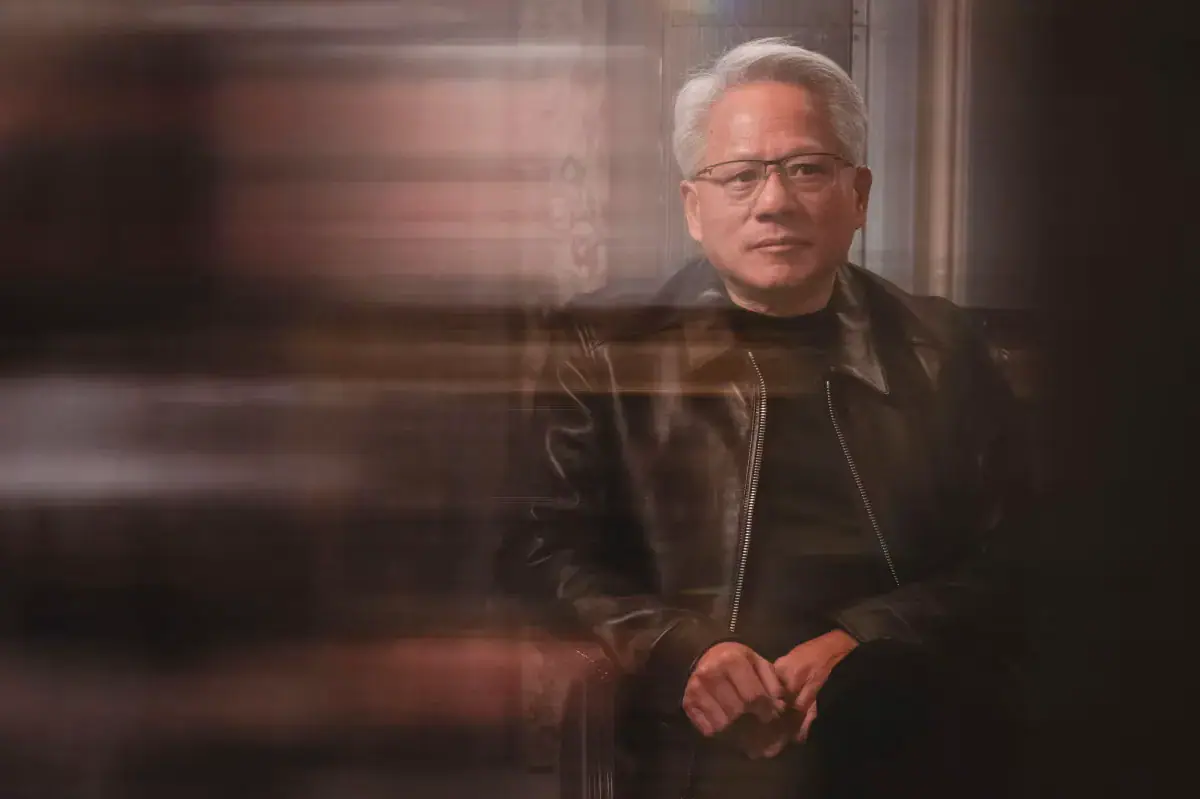
Nvidia's board of directors has reinstated CEO Jensen Huang, just days after he was ousted, sparking concerns over corporate governance and potential national security risks. The board's decision was unanimous, and it comes as the company faces intense scrutiny over its handling of Huang's departure and allegations of misconduct. Huang had been accused of violating corporate policy, including an affair with a major customer and a relationship with an employee.
The board's decision to reinstate Huang has been met with criticism from corporate governance experts, who argue that it sets a bad precedent and undermines the company's accountability. Jeffrey Sonnenfeld, senior associate dean for leadership studies at the Yale School of Management, said that the board should resign, calling the situation a "complete failure of corporate governance." Nell Minow, chair of corporate governance advisory firm ValueEdge Advisors, also questioned the board's decision, arguing that Huang's behavior would be grounds for dismissal at most companies.
The allegations against Huang include an affair with a major customer and a relationship with an employee, which he has acknowledged. The board has also been investigating whether Huang was the target of a foreign intelligence effort, although it is unclear what findings have been made. Despite these allegations, the board has said that US government officials have assured them that rehiring Huang poses no national security risk. The investigation into Huang's behavior continues.
The Nvidia scandal has had significant consequences, contributing to a market meltdown that wiped out $1.5 trillion in market value. Huang is widely regarded as a visionary pioneer in the AI industry, and his return has been seen as a positive development by some investors and partners. However, corporate governance experts argue that the board's handling of the situation has been inadequate and that Huang's behavior should have been addressed more seriously.
The board's decision to reinstate Huang has also raised questions about the role of external pressure, including a reported call from US President Donald Trump, who praised Huang and said he had helped orchestrate his return. While it is unclear what impact Trump's involvement had on the board's decision, it has sparked concerns about the influence of external factors on corporate governance.
The situation has highlighted the importance of strong corporate governance and succession planning. Without a clear plan in place for Huang's departure or discipline, the board was left with limited options and was effectively held hostage by Huang. Sonnenfeld argued that most well-run companies have an emergency plan in place in case the CEO is suddenly absent or needs to be disciplined, and that Nvidia's lack of planning contributed to the current situation.
The reinstatement of Huang has also raised questions about the future of Nvidia and the company's ability to navigate complex governance issues. While some have praised Huang's leadership and vision, others have expressed concerns about the company's accountability and the potential risks associated with his behavior. As the investigation into Huang's behavior continues, the board will face ongoing scrutiny over its handling of the situation and its commitment to corporate governance.
Key points
- Nvidia's board of directors has reinstated CEO Jensen Huang despite allegations of corporate policy violations and concerns over the company's governance.
- The board's decision has sparked criticism from corporate governance experts, who argue that it sets a bad precedent and undermines the company's accountability.
- The situation has highlighted the importance of strong corporate governance and succession planning, and has raised questions about the role of external pressure on corporate decision-making.
Reporting sources
- Nvidia’s $1.5 trillion boardroom blunder helped bring Jensen Huang back · Egypt Independent