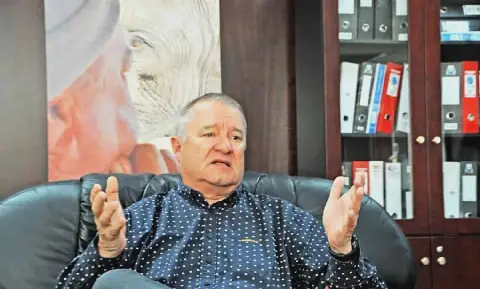
In an interview with National Broadcasting of Guinea-Bissau on the country's National Nutrition Day, nutritionist Pita Correia emphasized the importance of promoting healthy eating habits to improve the health and quality of life of Guinea-Bissau's population. He advocates for increased consumption of locally produced agricultural products and reduced reliance on industrialized foods. This approach, he believes, is crucial for addressing the country's significant health challenges.
Correia highlights the lack of information on balanced diets as a major obstacle to public health in Guinea-Bissau. He stresses that proper nutrition is not only a matter of individual health but also a key factor in the country's economic and social development. To achieve this, he recommends raising awareness among families about choosing and consuming nutritious foods, prioritizing locally available products.
The issue of malnutrition is pressing in Guinea-Bissau, particularly among children. According to UNICEF data, approximately 30% of children under five years old suffer from stunted growth due to chronic malnutrition. Furthermore, 53% of children in this age group live in severe food poverty, limiting their access to diverse and nutritious food. These statistics underscore the need for effective strategies to address malnutrition.
The World Food Programme (WFP) reports that 68% of Guinea-Bissau's population cannot afford a healthy and nutritious diet. Factors such as poverty, food insecurity, limited access to diverse foods, and the impacts of climate change exacerbate this situation. In response, Correia urges the valorization of national agricultural production and encourages families to incorporate local products into their daily meals.
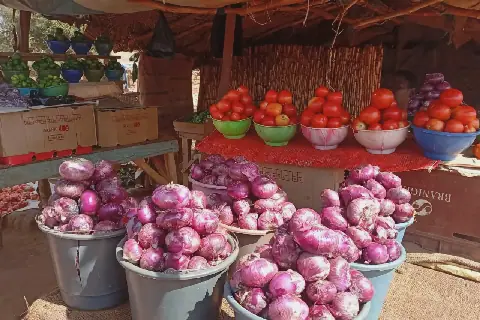
Local foods, including fruits, vegetables, leafy greens, fish, and other nutrient-rich products, are essential for improving nutrition. Correia believes that changing eating habits requires greater nutritional education, community awareness, and family involvement. This approach can help prevent diet-related diseases and contribute to a healthier population.
The promotion of local food consumption also has economic benefits, as it supports national agricultural production and can help stimulate the local economy. By prioritizing local products, families can make healthier choices while contributing to the country's economic development. This strategy aligns with efforts to address the root causes of malnutrition and food insecurity.
Ultimately, Correia's advocacy for local food consumption underscores the need for a comprehensive approach to addressing malnutrition in Guinea-Bissau. By combining nutritional education, community engagement, and support for local agriculture, the country can make progress in improving public health and reducing the prevalence of malnutrition.
Key points
- Pita Correia advocates for increased consumption of locally produced foods to combat malnutrition.
Reporting sources
- NUTRICIONISTA DEFENDE CONSUMO DE PRODUTOS LOCAIS PARA COMBATER A MÁ NUTRIÇÃO NA GUINÉ-BISSAU · National Broadcasting of Guinea-Bissau