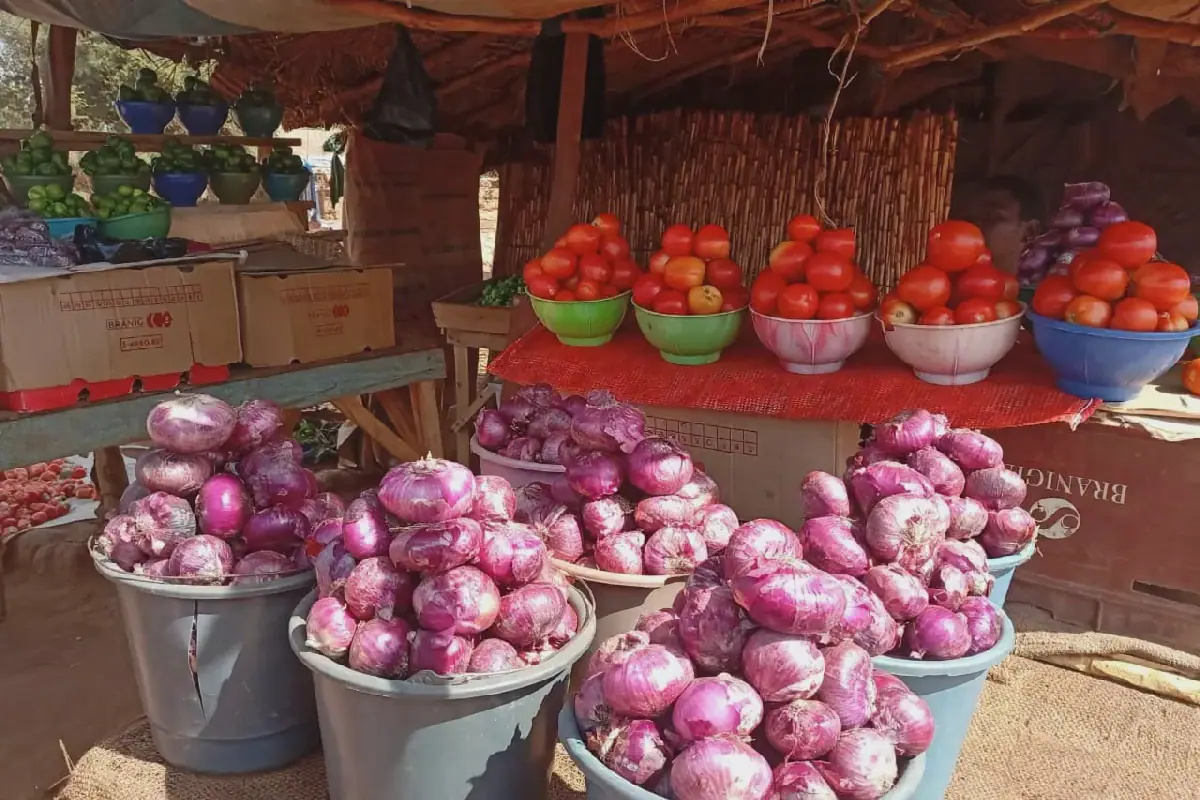
Market gardeners in Niamey's Gamkallé area are facing significant challenges as they prepare their land for the upcoming season. Located along the Niger River, the area is prone to recurrent floods that damage crops and disrupt production. Despite these challenges, gardeners are working hard to prepare the soil, desweed, and construct planting beds for various crops. The irrigation system, which relies on a network of pipes to channel water from the Niger River to storage basins, is crucial for their operations.
The gardeners primarily grow crops such as lettuce, cabbage, parsley, and okra. According to Abdou Moumouni Abdoul Kadri, a gardener on the site, the harvest period varies depending on the crop, ranging from 40 to 45 days for some and up to three months for cabbage. To sell their produce, gardeners prefer direct sales on site, where customers purchase products straight from the gardens. Prices for planting beds vary based on size, with smaller beds selling for between 2,000 and 2,500 FCFA and larger ones priced according to their dimensions.
However, flood-related disruptions have become an annual occurrence, severely impacting the gardeners' ability to work normally. Over the past five years, floods have consistently damaged crops, causing significant losses. Abdoul Kadri lamented that just as they begin their activities, floods occur, disrupting their production and causing financial strain. The recurrent floods have made it difficult for gardeners to maintain a stable income, affecting their livelihoods.
In addition to flood-related challenges, gardeners are also struggling with the high cost of agricultural inputs such as seeds, manure, and fuel for the motor pumps used for irrigation. These increased costs have reduced the gardeners' financial capacity, making it difficult for them to continue their activities. The price of tomato seeds, for example, has doubled from 3,000 to 6,000 FCFA within three months, further exacerbating the situation.
Abdoul Kadri appealed for government intervention to mitigate these challenges. He requested the construction of protective dikes to limit the impact of floods and measures to make seeds more affordable. He also called on the Ministry of Agriculture to strengthen price controls on agricultural inputs, ensuring that gardeners can access essential resources at reasonable prices.
The struggles faced by the market gardeners in Gamkallé highlight the complexities of agricultural production in flood-prone areas. Despite their resilience and resourcefulness, the gardeners require support to overcome the challenges posed by floods and high input costs. By addressing these issues, authorities can help ensure the sustainability of agricultural activities in the region and support the livelihoods of those dependent on them.
The Nigerien government's response to these challenges will be crucial in determining the future of market gardening in the Gamkallé area. With effective measures to address flood-related disruptions and high input costs, gardeners may be able to maintain stable production and income, ultimately contributing to food security and economic growth in the region.
Key points
- Market gardeners in Niamey's Gamkallé area face significant challenges due to recurrent floods and high agricultural input costs.
Reporting sources
- Niamey : les maraîchers de Gamkallé en butte aux inondations et à la cherté des intrants agricoles · Agence Nigérienne de Presse