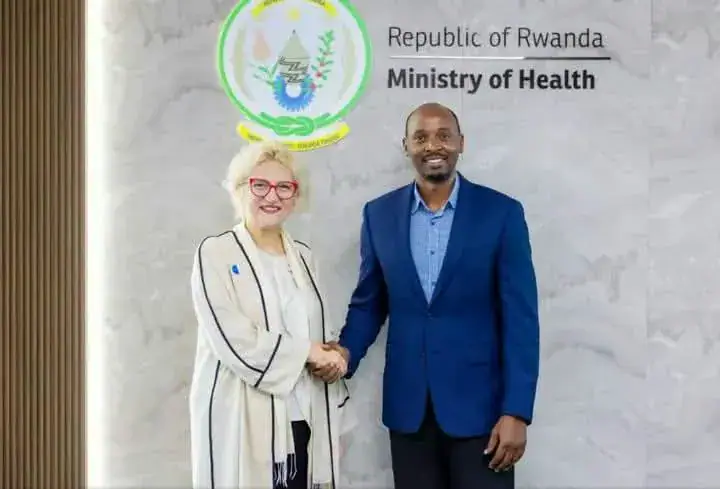
Rwanda is strengthening its partnership with the United Nations Children’s Fund (UNICEF) to improve maternal and child healthcare services. Minister of Health Dr Sabin Nsanzimana met with Etleva Kadilli, UNICEF Regional Director for Eastern and Southern Africa, to discuss areas of continued collaboration. They explored ways to build on four decades of cooperation, focusing on improving health outcomes for mothers and children. The partnership has supported efforts to improve access to essential healthcare services and promote child well-being.
The partnership between Rwanda and UNICEF has been in place for 40 years, with UNICEF contributing significantly to the country’s healthcare system. UNICEF has supported maternal and child health services and initiatives aimed at strengthening community capacity. This cooperation has played a crucial role in promoting child well-being and strengthening the capacity of communities to address health and development challenges. The partnership has helped improve access to essential healthcare services.
Discussions between Dr Nsanzimana and Kadilli highlighted the importance of sustaining cooperation to address emerging healthcare needs. They emphasized the need to strengthen community-level interventions and ensure that investments in maternal and child health translate into long-term improvements in human capital. Dr Nsanzimana stressed that investing in the health and well-being of mothers and children is essential to developing a healthier and more productive population.
The meeting comes as UNICEF marks 80 years of global operations and 40 years of working with Rwanda. Over the decades, UNICEF has supported programmes targeting children’s rights, healthcare, nutrition, education, and protection. The organisation has worked alongside government institutions and communities to improve living conditions. This milestone provides an opportunity for both sides to reflect on achievements and identify priorities for the next phase of cooperation.
UNICEF’s support for Rwanda’s healthcare system has been significant, particularly in maternal and child health services. The organisation has helped improve access to essential healthcare services and promote child well-being. As human capital development remains central to Rwanda’s long-term development ambitions, the partnership is crucial in achieving these goals. The country aims to develop a healthier and more productive population.
The partnership between Rwanda and UNICEF has contributed to several achievements in the healthcare sector. UNICEF has supported initiatives aimed at strengthening community capacity, promoting child well-being, and improving access to essential healthcare services. As both sides look to the future, they are committed to sustaining cooperation and addressing emerging healthcare needs. This commitment will help ensure long-term improvements in human capital.
The strengthened partnership between Rwanda and UNICEF will focus on sustaining cooperation and addressing emerging healthcare needs. Key areas of focus include strengthening community-level interventions and ensuring that investments in maternal and child health translate into long-term improvements in human capital. The partnership aims to develop a healthier and more productive population, contributing to Rwanda’s long-term development ambitions.
Key points
- Rwanda and UNICEF are strengthening their partnership to improve maternal and child healthcare services and investments in human capital development.