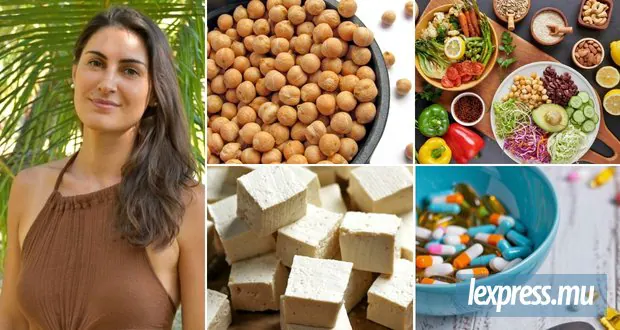
In Mauritius, the conversation around plant-based diets is gaining momentum. With World Vegetarian Day on October 1st, health experts are sharing insights into the benefits and potential drawbacks of this dietary choice. According to Claire Menguy, a dietician-nutritionist specializing in micronutrition, many individuals opt for plant-based diets due to concerns about animal welfare, environmental impact, and personal health.
There are various forms of vegetarianism, including ovo-vegetarian and lacto-vegetarian diets. Ovo-vegetarians consume eggs but exclude dairy products, while lacto-vegetarians consume dairy products but not eggs. A well-planned plant-based diet can provide numerous health benefits, including the addition of fiber from fruits, vegetables, and legumes. This can lead to improved satiety, regulated bowel movements, and a reduced risk of chronic diseases such as heart disease and diabetes.
A plant-based diet can provide all the necessary nutrients for good health, but it requires careful planning. Protein sources include legumes, eggs, and dairy products, while iron can be found in plant-based foods, although it may not be as easily absorbed by the body. Vitamin C can enhance iron absorption, and calcium can be obtained from dairy products, legumes, and leafy greens. However, vitamin B12 and iodine may be lacking in plant-based diets, and supplements may be necessary.
To maintain a balanced plant-based diet, it's essential to include a variety of foods in one's meals. A small portion of vegetables, a source of complex carbohydrates, a source of protein, and healthy fats should be included in each meal. Health experts recommend introducing legumes or other plant-based protein sources into one's diet and avoiding ultra-processed foods rich in unhealthy fats and additives.
Iron deficiency is a common issue, not only among vegetarians but also in the general population. Women are particularly at risk due to menstrual blood loss. Consuming vitamin C-rich foods along with iron-rich foods can enhance absorption and prevent deficiency. Regular blood tests can help identify potential deficiencies, and supplements can be recommended on a case-by-case basis.
While supplements are not always necessary, they may be recommended for individuals with specific dietary needs. Omega-3 fatty acids, for example, are often lacking in plant-based diets, and supplements can help fill this gap. Claire Menguy emphasizes the importance of consulting with a healthcare professional or registered dietitian to determine the best course of action for individual nutritional needs.
As the conversation around plant-based diets continues to grow in Mauritius, health experts are encouraging individuals to make informed choices about their dietary habits. With careful planning and attention to nutritional needs, a plant-based diet can be a healthy and sustainable choice for individuals looking to improve their overall well-being.
Key points
- A well-planned plant-based diet can provide numerous health benefits, including improved satiety, regulated bowel movements, and a reduced risk of chronic diseases.
- Iron deficiency is a common issue, not only among vegetarians but also in the general population, and can be prevented with proper dietary planning and vitamin C-rich foods.
- Supplements may be necessary to fill nutritional gaps in plant-based diets, particularly for vitamin B12, iodine, and omega-3 fatty acids.