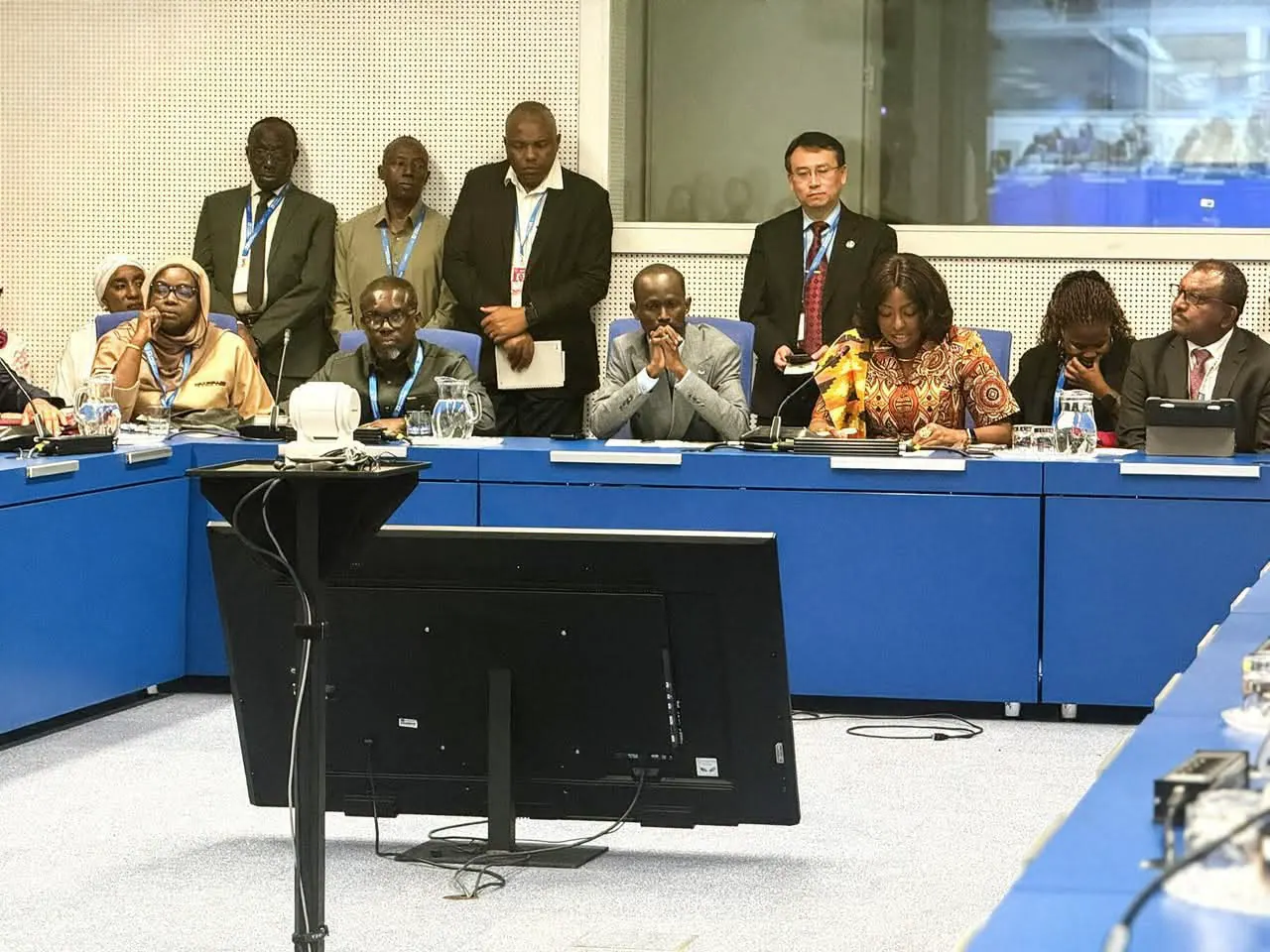
African countries are being encouraged to consider nuclear energy as a strategic option for meeting rising electricity demand and accelerating industrialisation. Professor Francis Kwame Otoo, Director-General of the Nuclear Regulatory Authority (NRA), said nuclear energy could provide reliable, affordable and sustainable power while supporting economic diversification and improving living standards. He made the call at a side event organised under the auspices of the African Commission on Nuclear Energy (AFCONE).
Professor Otoo noted that Africa was at a defining moment, facing growing demand for reliable energy while seeking to meet climate commitments. He described nuclear energy as a clean, dependable and scalable source of power that could contribute to meeting those needs. Ghana, he said, had been systematically developing the infrastructure, human resources and institutional arrangements required to introduce nuclear power responsibly.
Ghana’s nuclear energy programme is being guided by the International Atomic Energy Agency (IAEA) Milestones Approach. Professor Otoo said the country was strengthening the regulatory foundation required to support a credible nuclear energy programme. He stressed that African countries should not adopt a single approach to nuclear energy, as their energy needs, electricity grids and financial capacities differed.
Professor Otoo emphasised the importance of strong and independent regulatory institutions, saying effective regulation, appropriate legal frameworks and robust safety and security arrangements were essential for building investor confidence, public trust and international cooperation. He also highlighted the need for sustained investment in nuclear education, training and knowledge management, as well as closer cooperation among African countries.
No African nation can build a nuclear energy future alone, Professor Otoo said, stressing the importance of regional solidarity in developing the continent’s nuclear energy sector. He called for stronger cooperation, sharing of expertise and sustained investment in people and institutions to enable Africa to develop a nuclear energy future that was safe and secure.
The NRA, established under the Nuclear Regulatory Authority Act, 2015 (Act 895), remains committed to supporting Ghana’s nuclear energy pathway while contributing to AFCONE’s broader continental agenda. Professor Otoo said the Authority would continue working with the IAEA, the Forum of Nuclear Regulatory Bodies in Africa (FNRBA) and other African regulatory bodies.
Africa’s future nuclear energy development will depend on collective efforts rather than the actions of any single country. Professor Otoo said Ghana remained ready to walk the nuclear energy pathway together with AFCONE, fellow African States and international partners. The call for nuclear energy comes as Africa faces increasing electricity demand and seeks to meet its climate commitments.
Key points
- Nuclear energy can provide reliable, affordable and sustainable power for Africa's industrialisation
- African countries should not adopt a single approach to nuclear energy due to differing energy needs and capacities
- Strong regulatory institutions and investment in human resources are essential for a credible nuclear energy programme