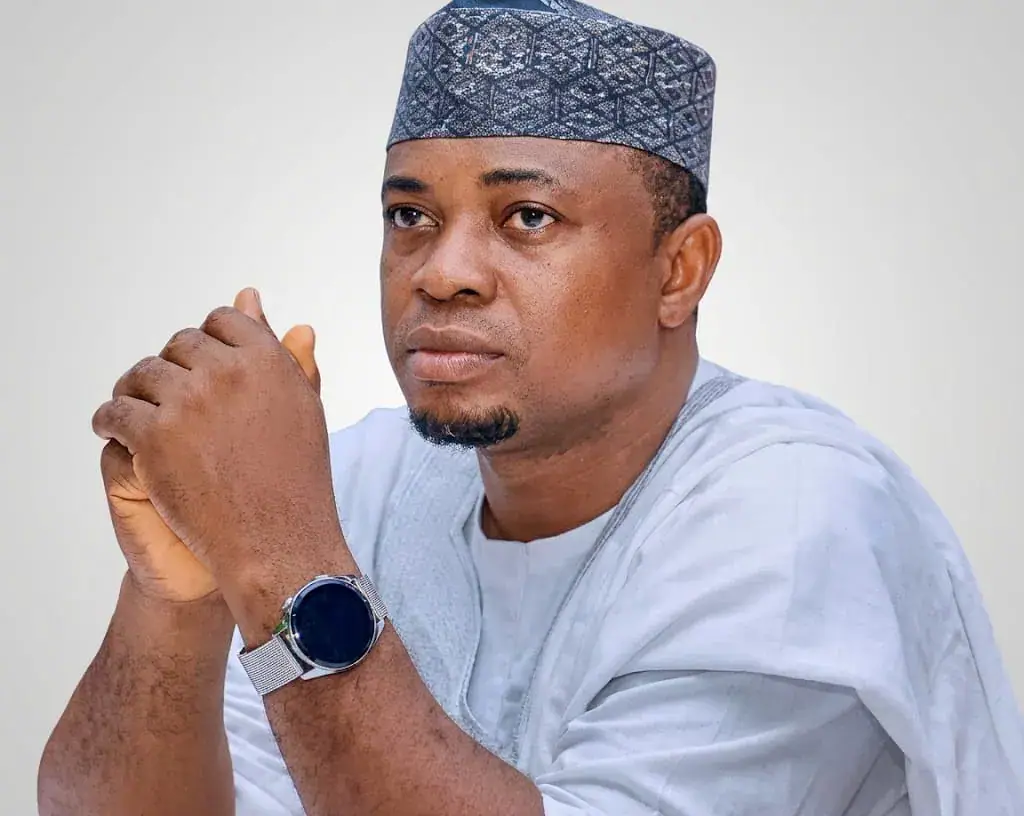
The Nasarawa State Universal Basic Education Board (NSUBEB) has announced plans to champion the responsible use of Artificial Intelligence (AI) among teachers in the state. This move aims to harness the technology to improve teaching and learning without compromising human intelligence and critical thinking. The Executive Chairman of NSUBEB, Dr. Kassim Mohammed Kassim, made this assurance during an interview at a conference organised by the Department of Educational Management, Nasarawa State University, Keffi (NSUK).
The conference, themed “Leveraging AI Usage in Education in the 21st Century,” brought together Master's and PhD students to discuss the role of AI in education. Dr. Kassim, a recipient of the Award of Excellence for his contributions to educational development, commended the department for organising the conference and encouraged other departments to emulate the initiative. He emphasised the need for teachers to strike a balance between the benefits and limitations of AI in the education sector.
Dr. Kassim assured that teachers will receive training to enable them to understand and apply AI responsibly, while also guiding students in its appropriate use. He noted that AI can enhance research, lesson preparation, classroom delivery, and learning outcomes, but must never become a substitute for teachers' independent reasoning or critical thinking. The NSUBEB chairman stressed that technology should strengthen the capacity of educators and learners, not diminish their ability to think, question, create, and make informed decisions.
The representative of the Nasarawa State Commissioner for Education, Dr. John W. Mamman, said the state government would embark on extensive sensitisation and capacity-building programmes to equip teachers and school principals with the knowledge required to use AI effectively. Dr. Mamman observed that AI was increasingly being overused by both students and teachers, stressing that the major lesson from the conference was that artificial intelligence could augment, but not replace human intelligence.
Dr. Mamman further stated that the government would take the sensitisation exercise across the state's local government areas to educate teachers on the importance, benefits, and responsible application of AI in the classroom. He maintained that empowering teachers with the right knowledge would enable them to maximise the opportunities presented by emerging technologies without allowing them to replace the essential human role in education.
Participants at the conference, including Mr. John Ogwime, Idris Salamatu, and Agnes Remi Johnson, described the event as an eye-opener, noting that the discussions had broadened their understanding of the opportunities and challenges associated with AI in education. The conference underscored the growing reality that Artificial Intelligence has come to stay and will continue to shape the future of education, but its successful integration must be guided by responsibility, ethical application, and human oversight.
The NSUBEB chairman's commitment to championing responsible AI usage among teachers reflects the growing recognition of the need for balanced integration of technology in education. As AI continues to shape the education sector, stakeholders are emphasising the importance of responsible application and human oversight to ensure that the benefits of technology are realised without compromising the essential human role in education.
Key points
- NSUBEB plans to train teachers on responsible AI usage to improve teaching and learning.
- The state government will embark on extensive sensitisation and capacity-building programmes to equip teachers with AI knowledge.
- AI can augment human intelligence in education, but not replace it.