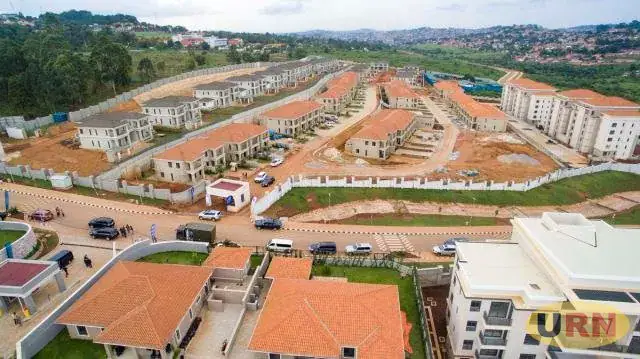
The National Social Security Fund (NSSF) is set to hand over the first 350 housing units at its Temangalo housing project in Wakiso District on March 31, 2027. According to NSSF Managing Director Patrick Ayota, construction of the first phase is approximately 75 percent complete, giving the Fund confidence that the units will be ready by the scheduled date. The project is part of NSSF's efforts to provide affordable housing to its members.
Prospective buyers will be able to book the houses at the end of this month through pre-sales, which will allow them to reserve houses through initial deposits. Ayota told Parliament's Committee on Commissions, Statutory Authorities and State Enterprises (COSASE) that the initial handover will involve 350 housing units, with buyers expected to make down payments and book their preferred houses ahead of completion.
The update came amid concerns from legislators about whether NSSF's housing investments are addressing the accommodation needs of ordinary Ugandans, including low-income earners who contribute to the retirement savings institution. MPs challenged the Fund to reconsider its housing development model, arguing that most of its projects appear to target relatively wealthy Ugandans while excluding a significant section of its membership that cannot afford the properties.
Legislators suggested that NSSF consider alternative approaches, such as rent-to-own arrangements, to expand access to housing and enable more Ugandans to benefit from its property investments. Budadiri East MP Julius Nakiyi cited Kenya's National Social Security Fund housing model as an example of a more flexible payment arrangement. Ayota acknowledged that the Fund had not done enough to address Uganda's housing affordability challenges.
Ayota cited Lubowa as a project targeting the high-end market, Kyanja as a development intended for middle-income earners, and Temangalo as an attempt to provide relatively affordable housing. However, he noted that the cost of developing affordable housing in Uganda remained high due to private developers having to acquire land, provide supporting infrastructure, and meet tax obligations before constructing houses.
Ayota appealed to Parliament to support a deliberate national housing programme through budgetary allocations and policy interventions that would enable developers, including NSSF, to construct houses at affordable prices. He argued that government intervention was necessary to bring down development costs and make housing affordable to ordinary Ugandans. Using Kenya as an example, Ayota said government acquisition of large pieces of land, provision of infrastructure, and tax incentives to developers had helped reduce overall housing development costs by approximately 40 percent.
The COSASE inquiry is examining NSSF's investment decisions, project implementation, and management of workers' retirement savings, with MPs seeking assurance that the Fund's investments generate reasonable returns while delivering benefits to its members. The inquiry also discussed the progress of NSSF's property investments, including the NSSF Pension Towers in Nakasero, Kampala, which is scheduled for handover on January 31, 2027.
Key points
- NSSF expects to hand over the first 350 housing units at its Temangalo housing project by March 31, 2027.
- Legislators have challenged NSSF to reconsider its housing development model to make housing more affordable for low-income earners.
- NSSF Managing Director Patrick Ayota has appealed to Parliament to support a national housing programme to make housing affordable to ordinary Ugandans.
Reporting sources
- NSSF sets March 2027 handover for first 350 Temangalo houses · The Independent magazine