Libya's House of Representatives has announced that it is exploring the possibility of transitioning from in-kind subsidies to cash subsidies as part of its reform efforts. This move is aimed at addressing the country's economic challenges, including the misuse of subsidies and the need to ensure fair access to resources for citizens. The proposal was made by the House of Representatives' speaker, Saleh Abdel Nabi.
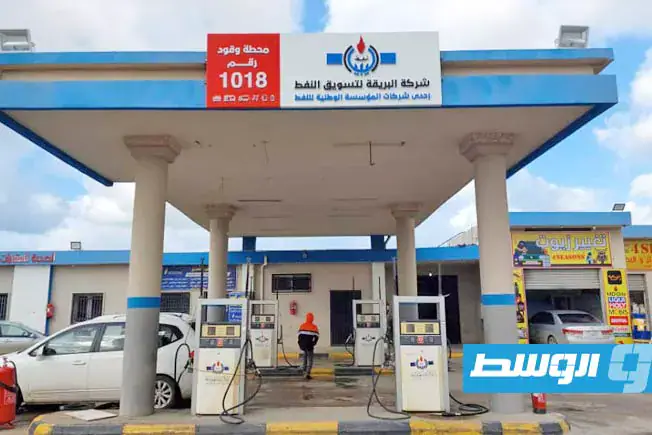
Abdel Nabi stated that there are irregularities in the supply of fuel, citing instances of "smuggling and business deals" in the sector. He emphasized the need for a precise solution to address the issue of fuel subsidies, which currently stand at around 40 billion Libyan dinars. Abdel Nabi suggested that the country should determine the quantity of fuel it needs and allocate a specific budget for it.
The House of Representatives has clarified that any decision to transition to cash subsidies will not be implemented immediately. The body emphasized that it prioritizes protecting citizens and ensuring they benefit fairly from the country's resources. To achieve this, the House of Representatives has called for comprehensive studies and the provision of necessary guarantees to ensure a smooth transition.
The issue of subsidies is a pressing concern in Libya, where the government has long provided fuel and other essential goods at subsidized rates. However, the system has been criticized for being inefficient and prone to abuse. The proposed transition to cash subsidies aims to address these issues and provide citizens with a more equitable and efficient means of accessing essential goods.
The House of Representatives' proposal has been met with mixed reactions from experts and citizens. Some have expressed concerns about the potential impact on inflation and the country's already strained economy. Others have argued that the move could help reduce corruption and ensure that subsidies reach those who need them most.
The Libyan government has been working to address the country's economic challenges, including a decline in oil production and a shortage of foreign currency. The proposed transition to cash subsidies is part of a broader effort to reform the country's economy and ensure sustainable growth.
The House of Representatives has called for a national vision to address the country's economic challenges and ensure sustainable growth. The body has emphasized the need for a comprehensive approach that prioritizes the interests of citizens and ensures fair access to resources.
Key points
- The House of Representatives is exploring a transition from in-kind subsidies to cash subsidies as part of its reform efforts.
- The proposed transition aims to address irregularities in the supply of fuel and ensure fair access to resources for citizens.
- The House of Representatives has emphasized that any decision to transition to cash subsidies will not be implemented immediately, pending comprehensive studies and guarantees.