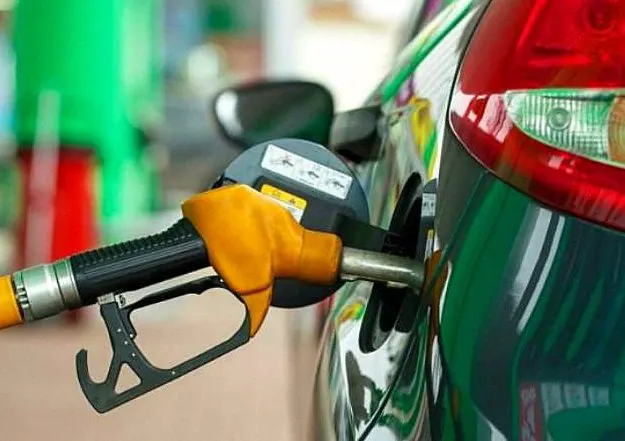
Ghanaian motorists are facing increased fuel costs as the National Petroleum Authority (NPA) raises its price floor for petrol to GHS16 per litre and diesel to GHS16.77 per litre, effective September 16, 2026. Some Oil Marketing Companies have already surpassed this floor, with Star Oil pricing petrol at GHS16.77 and diesel at GHS17.77 per litre. This development has significant implications for drivers, transport operators, and businesses reliant on diesel and petrol.
According to NPA Chief Executive Officer Godwin Edudzi Tamakloe, Ghana's heavy reliance on imported refined fuel makes price turbulence inevitable. He stated that as the head of the downstream sector, he has come to appreciate the country's import dependence and the potential for external factors to disrupt the market. Tamakloe's comments were made during an interview on Joy News' PM Express Business Edition, where he explained that the pressure on pump prices is directly tied to Ghana's dependence on imported refined petroleum products.
Tamakloe emphasized that leading Ghana's downstream petroleum industry means accepting that external factors can disrupt the market at any time. He noted that the NPA has been working to manage the turbulence since February and described their handling of the situation as satisfactory. However, he did not provide specific figures or targets for tracking or containing prices. The NPA boss stressed that the current bout of pressure on the market is not new and that the Authority is prepared to respond to changing conditions.
The impact of the fuel price increase is being felt across the economy, with transport costs feeding directly into the price of goods and services. Sustained increases in fuel prices tend to ripple through the wider economy, affecting transportation fares, food distribution, and household budgets. As Ghana imports the bulk of its refined petroleum products, price movements on the international market are typically passed on to consumers relatively quickly through the NPA's pricing mechanism.
The NPA's price floor system sets a minimum price below which Oil Marketing Companies cannot sell petroleum products, although companies are free to price above that floor depending on their cost structures. Ghana's exposure to import dependence has been a recurring theme in recent NPA commentary, with the Authority previously expressing expectations that the Sentuo Refinery will sustain output through December, potentially easing reliance on imported fuel.
Tamakloe's remarks suggest that the NPA views the turbulence as an ongoing feature of the sector rather than a temporary spike. The Authority has not indicated any planned intervention beyond continuing to monitor and manage the situation as it has done since February. No timeline has been given for when the current price pressures might ease, leaving consumers and businesses to adapt to the changing market conditions.
The NPA's management of the situation has been underway for several months, with the Authority working to mitigate the effects of the price increase. As the fuel market continues to experience turbulence, Tamakloe's comments highlight the need for stakeholders to be aware of the structural issues driving the price swings. The situation remains a challenge for Ghanaian consumers and businesses, with the NPA working to balance the competing demands of the market.
Key points
- Ghana's fuel price swings are driven by structural issues, including the country's heavy reliance on imported refined fuel.
- The NPA has raised its price floor for petrol and diesel, effective September 16, 2026.
- The fuel price increase has significant implications for the economy, with transport costs feeding directly into the price of goods and services.