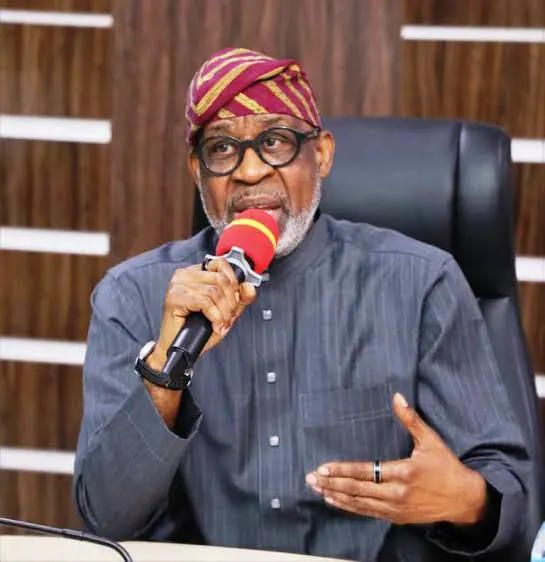
Alhaji Atiku Abubakar, a former Vice President of Nigeria, has proposed a "production subsidy" for locally refined petrol, aiming to reduce pump prices. At a press conference in Abuja, he urged President Bola Tinubu to cut the cost of diesel and petrol at the pump. This proposal has sparked important questions about its legal, fiscal, and practical implications.
The Petroleum Industry Act 2021 states that market forces determine wholesale and retail prices of petroleum products. The Nigerian Midstream and Downstream Petroleum Regulatory Authority (NMPDRA) clarified that it does not fix pump prices or issue price templates unless specific statutory conditions are met. The Authority noted that no market failure has been declared, implying that Atiku's proposal may not align with current regulations.
Atiku must clarify whether a refinery receiving his proposed subsidy would sell petrol at a prescribed price. If so, he needs to identify the legal framework for imposing this price condition and explain its consistency with the Petroleum Industry Act. If not, he should explain how public support to refiners would guarantee lower prices at filling stations. Without an enforceable mechanism, refiners may benefit while consumers continue to pay market prices.
Atiku also needs to disclose the cost of his proposal and its funding. His earlier statement suggested providing preferentially priced crude for domestic refineries, which could reduce revenue for the Federation and trigger a fresh fiscal crisis. The cost of the new subsidy could be as high as N17 or N21 trillion annually, depending on the discount size and volume covered.
Nigerians deserve to know key details about the proposal, including the subsidy rate, annual spending ceiling, volume of crude or petrol to be covered, source of funding, and mechanism for guaranteeing lower pump prices. Additionally, they want to know about safeguards against diversion, smuggling, and fraudulent claims, and whether amendments to the Petroleum Industry Act would be required.
Atiku's proposal appears to contradict his previous support for downstream deregulation. In November 2022, he described the petrol subsidy system as fraudulent and pledged to complete its removal. However, on August 25, 2026, he announced his intention to restore subsidy in another form. He must explain why he now advocates for subsidy and how his proposed arrangement would avoid the abuse and fiscal losses associated with the old system.
President Tinubu's administration has focused on expanding lower-cost alternatives through compressed natural gas and electric mass transit. Over 120,000 vehicles have been converted to CNG, with thousands more converted privately. The administration aims to extend these savings nationwide, with commuters in seven states and the Federal Capital Territory already paying lower transport costs on routes served by CNG and electric buses.
Key points
- Atiku Abubakar's proposal for a production subsidy on locally refined petrol raises questions about its legal and fiscal basis.
- The proposal may not align with the Petroleum Industry Act 2021, which emphasizes market-based pricing.
- The cost of Atiku's proposal could be as high as N17 or N21 trillion annually.