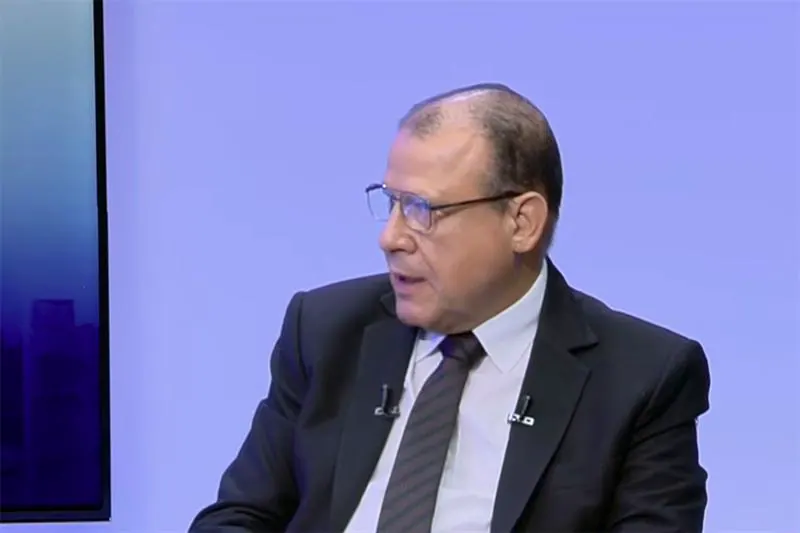
Employers in Egypt who fail to pay the minimum wage will face fines ranging from EGP 2,000 to EGP 20,000. The penalties will be determined based on the number of workers affected. This was announced by Magdy El-Badawy, vice president of the Egyptian Trade Union Federation. He emphasized that compliance with the minimum wage is mandatory under the new regulatory framework.
A new labour law was introduced in Egypt on 1 September 2025, replacing the 2003 legislation. The law updates rules governing employment relations, including workplace safety obligations. For the first time, the legislation grants the labour ministry and its inspection teams the authority to monitor enforcement. El-Badawy stressed that strict enforcement is necessary against employers who defy the minimum wage.
El-Badawy categorized employers into four groups: those paying above the minimum wage, those meeting the exact requirement, those refusing to pay despite having the financial means, and those facing genuine financial distress. He suggested that companies claiming inability to pay should undergo financial audits by the National Council for Wages. This will help inspect their accounts, profits, revenues, and expenses.
The public-sector minimum wage in Egypt is set at EGP 8,000, while the private sector remains subject to an earlier threshold of EGP 7,000. El-Badawy described these levels as inadequate, noting that they must be weighed against inflation and the purchasing power of the Egyptian pound. He also emphasized that indirect benefits, such as health insurance and transport allowances, should factor into overall compensation assessments.
El-Badawy acknowledged that the current minimum wage falls short of covering basic living costs for many families. However, he cautioned against abrupt hikes that could trigger business closures. He suggested that incremental wage increases would offer little relief if a company collapsed. Instead, he called on the government to offer subsidies or incentives to cash-strapped businesses until they regain financial stability.
The government has been making efforts to adjust the minimum wage to cope with inflation and currency depreciation. In July, the government raised the minimum wage by EGP 1,000 as part of a social protection push. This was the sixth increase in three years, following a rise from EGP 3,500 to EGP 6,000 in May 2024. The private-sector minimum wage has also seen several increases since 2022.
The Egyptian government is working to balance the needs of workers and businesses. The labour ministry and its inspection teams will play a crucial role in enforcing the new labour law. Key points include:
Key points
- Fines for non-compliance with the minimum wage range from EGP 2,000 to EGP 20,000.
- The new labour law grants the labour ministry authority to monitor enforcement.
- The government has raised the minimum wage several times in recent years to cope with inflation.