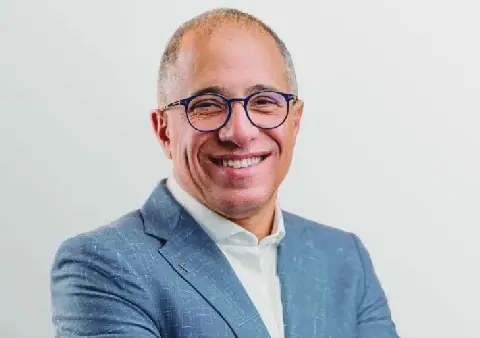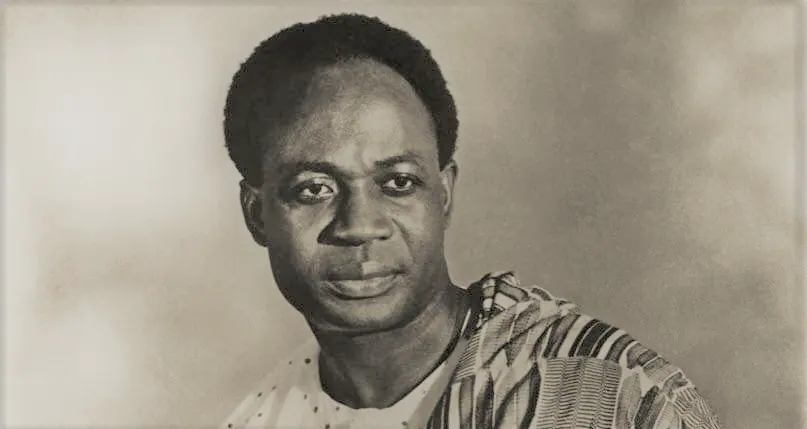
Prof Samuel Ntewusu, Director of African Studies at the University of Ghana, has urged Ghanaians to critically examine Dr Kwame Nkrumah's policies to inform contemporary development. He made this call in an interview with the Ghana News Agency on the eve of the Founders' Day celebrations, marking the 117th anniversary of Nkrumah's birth. Prof Ntewusu emphasized that Nkrumah's contribution to Ghana's independence and development should be considered beyond political affiliations and contemporary partisan debates.
Nkrumah's policies, according to Prof Ntewusu, provide valuable lessons for addressing Ghana's current development challenges. He highlighted Nkrumah's thinking on economic independence, resource extraction, education, urbanization, agriculture, and energy as areas for critical examination. Additionally, Prof Ntewusu noted that Nkrumah's ideas on African unity and liberation remain relevant in the context of present-day Africa. He encouraged Ghanaians to put aside political differences and study Nkrumah's policies for the betterment of the country and global Africa.
The 117th anniversary of Nkrumah's birth is being commemorated today as Founder's Day, a public holiday in Ghana. The occasion marks the birth of Ghana's first President and a leading advocate of African unity and liberation. Dr Nkrumah was born on September 21, 1909, at Nkroful in the then Gold Coast. He became active in the independence movement after returning from abroad in 1947 and founded the Convention People's Party (CPP) in 1949.
Under Nkrumah's leadership, the Gold Coast attained independence from Britain on March 6, 1957, becoming Ghana and the first sub-Saharan African country to gain independence from colonial rule. As Prime Minister and later President, Nkrumah's administration pursued programs in education, industrialization, infrastructure, and social development, including the Volta River Project and the construction of the Akosombo Dam. He also played a key role in the establishment of the Organisation of African Unity (OAU) in 1963, the precursor to the African Union.
Prof Ntewusu argued that celebrating Nkrumah's life and legacy should go beyond ceremonial activities. He emphasized that the real measure of honoring Nkrumah was the extent to which his development ideas and policies were studied and applied. According to him, Nkrumah's vision of Africans advancing as a united front remained an important subject for study. This reflection, he said, should encompass political, cultural, and economic liberation.
Dr Nkrumah was overthrown in a military coup on February 24, 1966, while on a state visit abroad. He spent his final years in Guinea and died in Bucharest, Romania, on April 27, 1972. Despite his passing, Nkrumah's legacy continues to be felt in Ghana and across Africa. His ideas and policies remain a subject of study and discussion, with many calling for their critical examination to inform contemporary development.
As Ghanaians and Pan-Africans worldwide commemorate the 117th birthday of Osagyefo Dr Kwame Nkrumah, Prof Ntewusu's call for a critical examination of Nkrumah's policies serves as a reminder of the importance of learning from the past to build a better future. By studying Nkrumah's ideas and policies, Ghanaians and Africans can gain valuable insights into addressing the continent's current development challenges and promoting unity and liberation.
Key points
- Prof Samuel Ntewusu calls for critical examination of Dr Kwame Nkrumah's policies to inform contemporary development in Ghana.