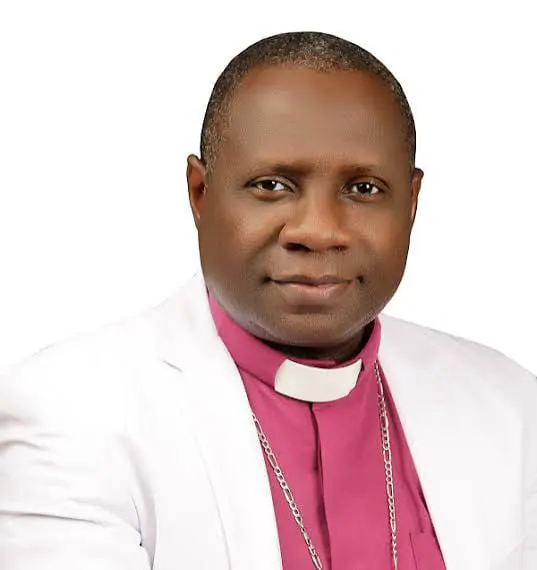
The President of the Christian Association of Nigeria (CAN), Archbishop Daniel Okoh, has urged Christians and Muslims to move beyond interfaith dialogue and work together to address the numerous challenges confronting Nigeria. He made the call while delivering a goodwill message at the Nigeria Inter-Religious Council (NIREC) meeting held in Abuja. The meeting had the theme, “Shared Sacred Flourishing in Nigeria.” Okoh emphasized that the country's challenges required religious leaders and their followers to rediscover their shared humanity and collective responsibility towards building a peaceful and prosperous society.
Okoh stated that the concept of shared sacred flourishing did not require Christians and Muslims to compromise their distinctive beliefs. Instead, it should encourage both faith communities to translate their shared values into practical contributions to the common good. He identified values such as love, compassion, mercy, justice, forgiveness, service, and concern for others as a foundation for stronger cooperation between the two major faith communities.
According to Okoh, Nigeria's security and socioeconomic challenges were too complex to be addressed from isolated religious or sectional perspectives. He challenged religious leaders to reflect on the kind of country they were helping to create through their words, actions, and influence. Okoh emphasized that churches, mosques, and other religious institutions possessed considerable moral and social influence, which should be deployed towards reconciliation and national cohesion rather than division.
Okoh called for practical collaboration between Christians and Muslims in areas including peacebuilding, education, youth development, humanitarian assistance, poverty reduction, ethical leadership, environmental responsibility, and protection of vulnerable people. He argued that Nigeria's development should not be measured solely by economic growth, infrastructure, and material prosperity. The security of citizens, dignity of every Nigerian, opportunities for young people, protection of vulnerable people, freedom of religion, justice, and strong institutions were equally important measures of a flourishing society.
The CAN president also urged Nigerians to affirm the sanctity of human life irrespective of religious affiliation. He emphasized that the suffering of a Christian should concern a Muslim, just as the suffering of a Muslim should concern a Christian. Okoh commended President Bola Ahmed Tinubu for supporting NIREC and providing resources for the council's activities. He expressed appreciation to the Secretary to the Government of the Federation, Senator George Akume, for his support for the council and its vision of peaceful coexistence among Nigeria’s diverse faith communities.
Okoh reaffirmed the association's commitment to constructive engagement with NIREC and the Muslim community. He stated that shared commitments to peace, human dignity, justice, and national development could provide a strong foundation for a more peaceful and prosperous Nigeria. The CAN president prayed for continued wisdom and strength for Akume in his service to the country.
Okoh concluded by calling on Nigerians to work together towards a Nigeria where Christians and Muslims do not merely tolerate one another, but cooperate for the common good. He envisioned a country where religious diversity becomes a source of strength rather than division, and where every Nigerian can experience peace, dignity, justice, and the opportunity to flourish.
Key points
- CAN President Archbishop Daniel Okoh urges Christians and Muslims to move beyond dialogue and work together to address Nigeria's challenges.
- Okoh emphasizes the importance of shared values such as love, compassion, and justice in fostering cooperation between Christians and Muslims.
- The CAN president commends President Bola Ahmed Tinubu and Senator George Akume for their support for NIREC and its vision of peaceful coexistence.