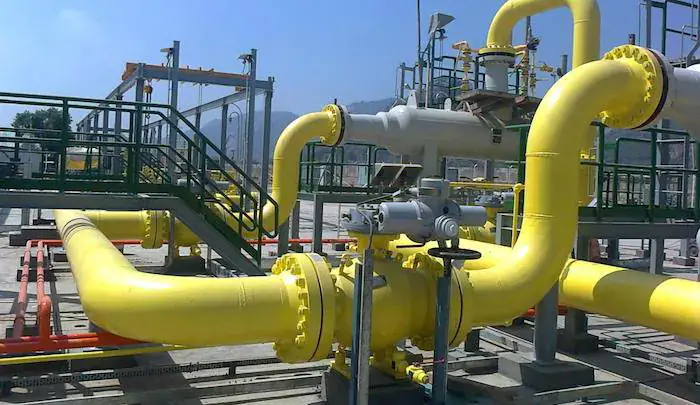
NIPCO Gas Limited and NNPC Gas Marketing Limited have commissioned a natural gas distribution pipeline network to Abeokuta, giving factories along Ogun State's Sagamu-Abeokuta corridor access to piped gas and a possible way to cut energy costs. The two companies operate the project through the NGML-NIPCO Gas Joint Venture. This development is expected to provide industrial users with gas that is cheaper, more reliable, and cleaner than the fuels many of them rely on now.
Ogun State is one of Nigeria's busiest industrial states, home to manufacturers of food, packaging, building materials, and consumer goods. Many of those plants run on diesel generators or other costly fuels because grid power is unreliable. Energy is a major expense for them, and a dependable gas supply could improve their margins and their ability to compete with imports. The project also gives the Federal Government a concrete result in its effort to expand domestic gas use.
Nigeria holds some of Africa's largest gas reserves, yet much of the country's industrial base has little access to piped supply. Officials have said they want to use gas to drive industrialisation, and private pipeline operators are central to that plan. The Nigerian Midstream and Downstream Petroleum Regulatory Authority has licensed the distribution area to the joint venture under the Petroleum Industry Act. The licence carries 25 years of exclusivity, which the companies describe as the certainty investors need before committing capital to long-lived infrastructure.
The Abeokuta network is one piece of a broader build-out. The joint venture is working on a Sagamu-Ibadan pipeline, which it also holds the licence for and expects to finish by mid-2027. If delivered on schedule, the line would extend gas toward Oyo State's capital and link more industrial customers across the south-west. The venture is also developing and expanding distribution systems in the Lekki Free Trade Zone and in Benin City.
Nagendra Verma, managing director and chief executive of NIPCO Gas, said in a statement that the commissioning reflects the commitment of both companies to the government's gas utilisation agenda. He credited the project teams at NIPCO Gas and NGML and said the partnership showed what shared effort can achieve. He also thanked the Ogun State Government, relevant agencies, and host communities for their cooperation.
Community goodwill is not a small matter for pipeline work in Nigeria. Right-of-way disputes, vandalism, and local opposition have delayed or damaged energy projects in the past, so the company's public thanks to host communities is notable. Manufacturers will want to know how gas will be priced against diesel and other alternatives, how many customers are lined up, and how quickly connections can be made.
Supply security is another concern. Industrial buyers need assurance that upstream producers can deliver steady volumes, because a pipeline is only as useful as the gas flowing through it. Past shortages in Nigeria's domestic gas market have made some users wary. Still, the commissioning is a sign that private and state-linked capital can build gas infrastructure outside the established hubs. NNPC's gas marketing arm brings access to supply and a national footprint, while NIPCO Gas brings operating and commercial experience as a private partner.
Key points
- The project provides industrial users with access to cheaper, more reliable, and cleaner gas, which could improve their margins and competitiveness.