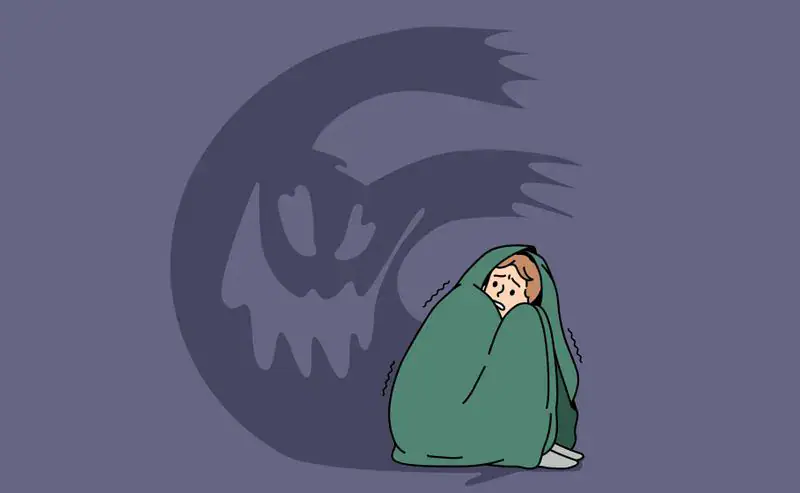
Nightmares are a common phenomenon, with at least 70% of adults experiencing at least one bad dream in their lifetime. However, for some people, nightmares can be a recurring and distressing experience. Research suggests that 2% to 5% of people have nightmares frequently, which can be a symptom of underlying issues such as anxiety, depression, or post-traumatic stress disorder. Understanding the causes of nightmares can help individuals seek effective solutions.
There are three types of bad dreams: bad dreams, nightmares, and sleep terrors. Bad dreams are characterized by negative emotional content, but do not cause the individual to wake up. Nightmares, on the other hand, are bad dreams that cause the individual to wake up due to their distressing content. Sleep terrors, which occur in the first half of the night, involve intense fear, vocalization, and movement, and the individual often does not remember the dream.
Researchers are still trying to understand why we have dreams and nightmares. One theory is that dreams are involved in the process of learning and unlearning, and are part of the cognitive maintenance of sleep. Another theory, known as the threat simulation theory, suggests that nightmares may be a way for our brains to understand and rehearse for negative experiences. This theory proposes that nightmares help us prepare for threats by simulating scenarios and allowing us to practice responding to them.
Certain individuals are more predisposed to nightmares, including those with anxious or neurotic personalities. Traumatic experiences, acute stress, and certain psychiatric disorders such as depression or anxiety can also trigger nightmares. Additionally, some medications can increase the frequency and intensity of nightmares. Understanding these risk factors can help individuals take steps to reduce their nightmare frequency.
Image rehearsal therapy (IRT) is a leading treatment for nightmares. This therapy involves rehearsing a changed version of the nightmare scenario, which can help the brain create a new pattern and reduce the frequency of nightmares. IRT is based on the idea that frequent nightmares have been rehearsed and are, in some ways, learned. By practicing a new version of the dream, individuals can help their brain move out of the old pattern and create a new one.
Many people who experience frequent nightmares do not seek help because they believe that nothing can be done. However, IRT is a highly effective treatment that can help individuals overcome their nightmares. Medical providers can play a crucial role in identifying and treating nightmare disorders by asking patients about their nightmare experiences and providing them with information about available treatments.
Nightmares can have a significant impact on an individual's quality of life, causing distress, anxiety, and disrupted sleep patterns. However, with the right treatment and support, individuals can overcome their nightmares and improve their overall well-being. By raising awareness about nightmare disorders and providing effective treatments, we can help individuals take control of their sleep health and improve their overall quality of life.
Key points
- Nightmares affect up to 70% of adults and can be a symptom of underlying issues or a side effect of certain medications.
- Image rehearsal therapy (IRT) is a highly effective treatment for nightmares that involves rehearsing a changed version of the nightmare scenario.
- Certain individuals are more predisposed to nightmares, including those with anxious or neurotic personalities, and traumatic experiences can trigger nightmares.
Reporting sources
- WELLNESS: Nightmares explained, and why we have them at all · Daily Maverick