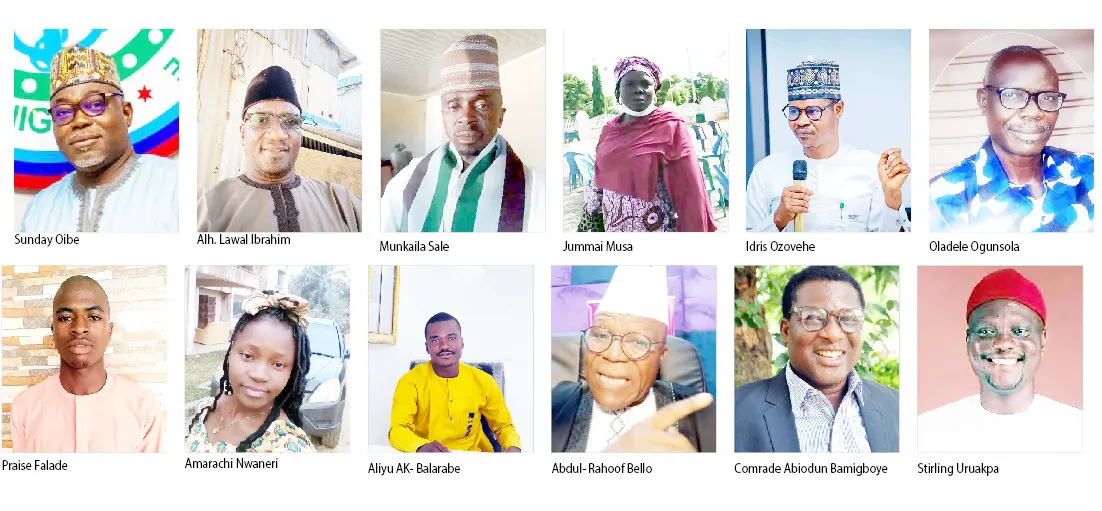
As Nigeria marks 66 years of independence, citizens are expressing their views on the country's leadership, with many saying their expectations have not been met. Sunday Oibe, a resident of Kaduna, said the country's leadership since independence has been a thing of backwardness and stagnation. He praised some former leaders, including Gen. Yakubu Gowon, ex-Presidents Olusegun Obasanjo and Goodluck Jonathan, and late President Musa Yar'adua, but noted that overall, Nigeria has not been blessed with good leaders.
Oibe attributed Nigeria's problems to poor leadership, saying it is the root cause of the country's stagnation and hopelessness. He noted that some leaders had shown promise but were unable to meet expectations due to various circumstances. Oibe's views are shared by many Nigerians who feel that the country's leaders have made promises of a better life but have not delivered. The country's trajectory since independence has been marked by civilian administrations, military governments, a devastating civil war, economic crises, coups, and political upheavals.
Since October 1, 1960, Nigeria has experienced various forms of governance, including an uninterrupted democratic era since 1999. Despite this, the country's potential and actual condition remain far apart. Nigerian leaders have achieved important things, but the gap between expectations and reality remains wide. An assessment of Nigerian leaders must consider the different circumstances in which they governed. Some leaders have stood out for their achievements, including Tafawa Balewa, Murtala Mohammed, and Abdulsalami Abubakar.
Tafawa Balewa, who was Nigeria's first prime minister, is remembered for his nationalist policies and administrative reforms. Murtala Mohammed's short but energetic administration was marked by decisive reforms and nationalist policies. Abdulsalami Abubakar's most important achievement was the transition that returned Nigeria to democratic government in 1999. These leaders have been recognized for their contributions to Nigeria's development.
However, many Nigerians, including residents of Gombe, say the country is falling short of expectations, particularly in the areas of insecurity and economic development. The country's insecurity and economic challenges are top concerns for many residents, who feel that leaders have not done enough to address these issues. The country's economic crises and insecurity have had a significant impact on the lives of Nigerians.
The views of Nigerians on the country's leadership are varied, but many agree that poor leadership is a major challenge facing the country. Some have praised certain leaders for their achievements, but overall, there is a sense of disappointment and frustration with the country's progress. The country's leaders have a responsibility to address the concerns of Nigerians and work towards meeting their expectations.
As Nigeria continues to mark 66 years of independence, citizens are calling for improved leadership and governance. The country's leaders must take into account the concerns and expectations of Nigerians and work towards addressing the country's challenges. The country's future depends on the ability of its leaders to provide good governance and meet the needs of its citizens.
Key points
- Nigerian leaders have not met the expectations of citizens 66 years after independence.
- Poor leadership is a major challenge facing Nigeria.
- Insecurity and economic development are top concerns for many Nigerians.