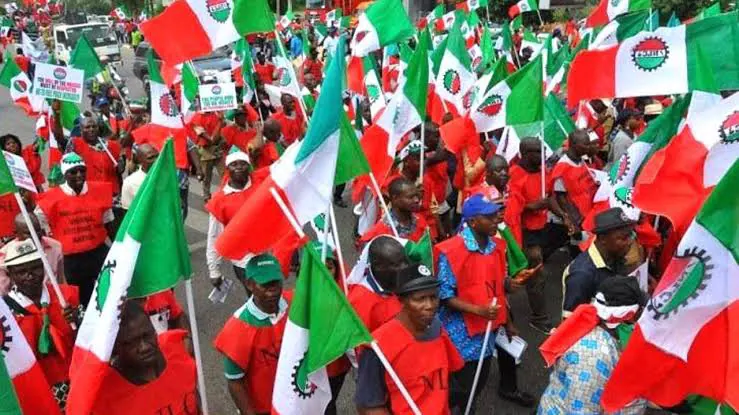
Nigerian workers have started mobilising for a fresh review of the national minimum wage, with the Joint National Public Service Negotiating Council (JNPSNC) demanding a new benchmark of N500,000. This move comes as the cost of living crisis worsens, with rising inflation, transport costs, and food prices affecting workers and other Nigerians. The JNPSNC has also called for the reduction of petrol prices to N500 per litre and an immediate wage award for workers.
The JNPSNC recently wrote to President Bola Tinubu, calling for urgent measures to address the cost of living crisis. The council's demands include stabilising petrol prices at N500 per litre, an immediate wage award for workers at all levels of government, and an upward review of salaries and allowances. The council has given the Federal Government until September 30, 2026, to act on these demands, warning that the prevailing hardship is creating tension among workers and the wider population.
According to Olowoyo Gbenga, national secretary of the JNPSNC, the proposed N500,000 minimum wage is the council's opening position for negotiations. He stated that the N70,000 minimum wage approved in 2024 has failed to adequately cushion workers against rising costs. Gbenga called for the immediate constitution of a tripartite committee to commence negotiations on a new national minimum wage, ahead of January 2027.
Gbenga emphasised that the N500,000 proposal should not be seen as a fixed figure but as a starting point for negotiations. He said the council wants the process concluded early enough to avoid delays, like those experienced with the 2024 minimum wage law. The JNPSNC is pushing for the process to be completed before the end of 2026, allowing implementation from January 2027.
The labour leader linked the wage demand to the rising cost of petrol, insisting that the government should establish a fuel intervention fund to reduce the pump price to N500 per litre. He noted that when fuel subsidy was removed, petrol was sold at N500 per litre, and the government should take measures to bring down the current price of N1,450 per litre.
Gbenga revealed that mobilisation has started, following the letter issued to President Tinubu and the set deadline. He stated that if the government invites leaders for a meeting, something will be done to bring down the price of fuel and implement a wage award as an interim measure. The JNPSNC is seeking an immediate wage award for workers pending the conclusion of negotiations on a new minimum wage.
The JNPSNC's demands are aimed at addressing the worsening cost of living crisis in Nigeria. The council's call for a new minimum wage and reduced fuel prices is a response to the rising costs of living, which have created tension among workers and the wider population. The government has until September 30, 2026, to respond to the JNPSNC's demands.
Key points
- The JNPSNC is demanding a new minimum wage benchmark of N500,000 and a reduction in petrol prices to N500 per litre.
- The council has given the Federal Government until September 30, 2026, to act on its demands.
- The proposed N500,000 minimum wage is the council's opening position for negotiations.