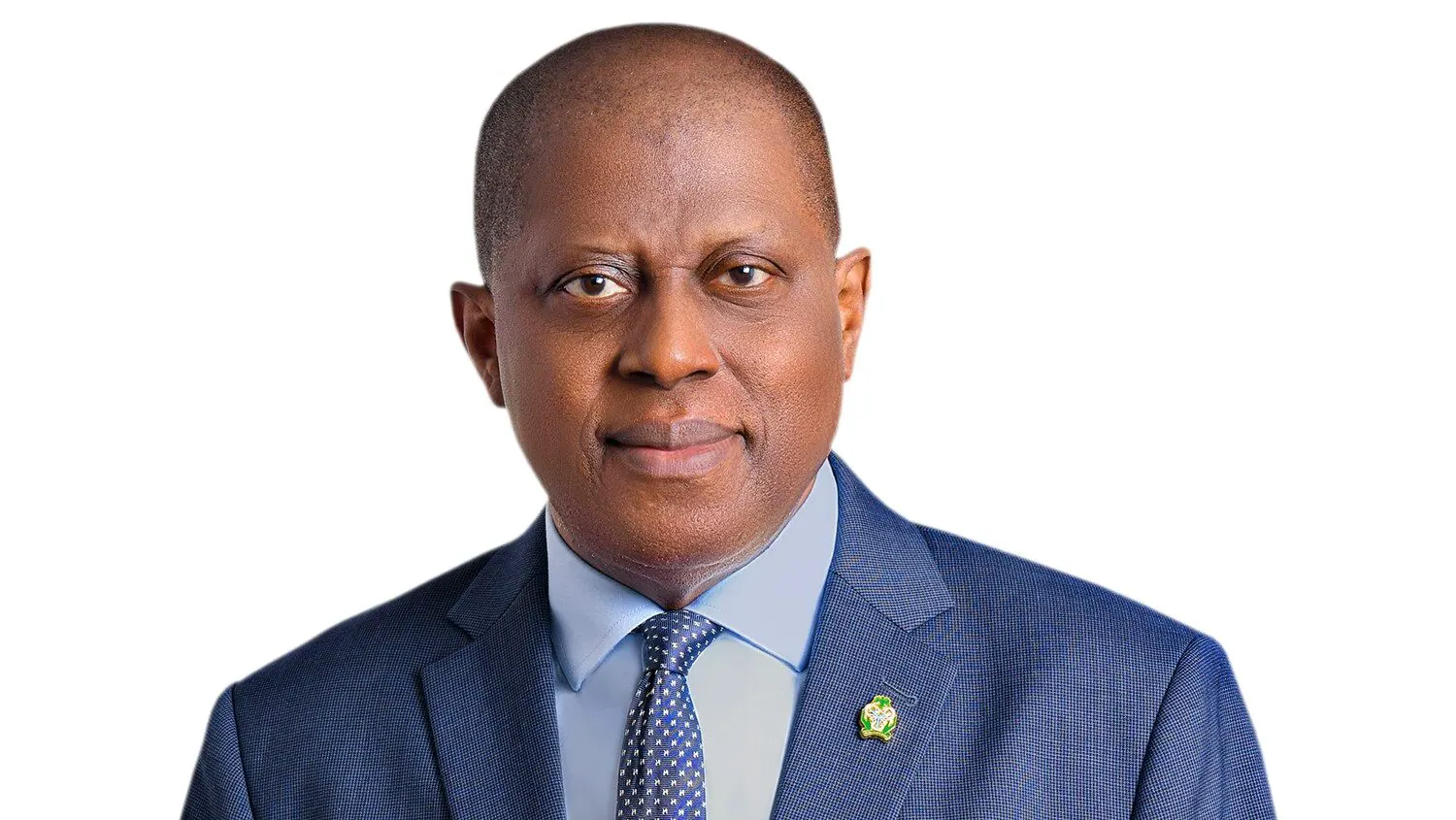
On September 22, 2023, Olayemi Cardoso assumed office as Governor of the Central Bank of Nigeria (CBN) at a critical time. Confidence in Nigeria's financial system was low, with a fragmented foreign exchange market, a struggling naira, rising inflation, and a banking industry with an inadequate capital base. Since then, Cardoso has implemented a series of reforms across the financial system. These changes have strengthened the banking sector, reformed the foreign-exchange market, and modernized financial-market infrastructure.
A key area of focus has been the banking sector, which required significant reforms to support Nigeria's economic aspirations. On March 28, 2024, the CBN announced a recapitalisation programme, setting new minimum capital requirements for banks. The new requirements were ₦500 billion for banks with international authorisation, ₦200 billion for national banks, and ₦50 billion for regional banks, with a deadline of March 31, 2026. This move aimed to ensure Nigerian banks had stronger balance sheets to finance a larger economy and absorb shocks.
By March 31, 2026, 33 banks had met the revised capital requirements, raising approximately N4.65 trillion in new capital. Notably, 72.55 per cent of the funds came from domestic sources, with the remaining 27.45 per cent sourced internationally. According to Cardoso, the recapitalisation programme has strengthened the capital base of the banking sector, positioning it for more effective financial intermediation.
The CBN has also undertaken a fundamental reform of the foreign-exchange market. The goal is to create a more efficient and transparent market that can better support economic growth. Additionally, payments regulation has been tightened, and the system redesigned to support a more digital economy. These reforms have contributed to a significant turnaround in financial stability and market confidence.
Another notable achievement is the increase in Nigeria's external reserves, which have climbed above $50 billion. This rise is a testament to the effectiveness of the CBN's reforms and its efforts to attract foreign investment. The reforms have not gone unnoticed, with President Bola Ahmed Tinubu commending Cardoso's stewardship and international recognition following in March 2026.
In March 2026, the CBN was named Central Bank of the Year 2026 by Central Banking in London. The award was formally presented to Cardoso in June. This recognition highlights the CBN's efforts to change not merely individual policies but the way the financial system works. The timeline of reforms demonstrates a sustained commitment to improving the financial system.
The series of reforms undertaken by the CBN under Cardoso's leadership has had a profound impact on Nigeria's financial system. The changes have strengthened the banking sector, improved the foreign-exchange market, and modernized financial-market infrastructure. As Cardoso marks three years at the CBN, the financial system is in a stronger position to support Nigeria's economic growth and development.
Key points
- The Central Bank of Nigeria has been named Central Bank of the Year 2026 by Central Banking in London.
- Nigeria's external reserves have climbed above $50 billion.
- The banking sector has raised approximately N4.65 trillion in new capital through recapitalisation.