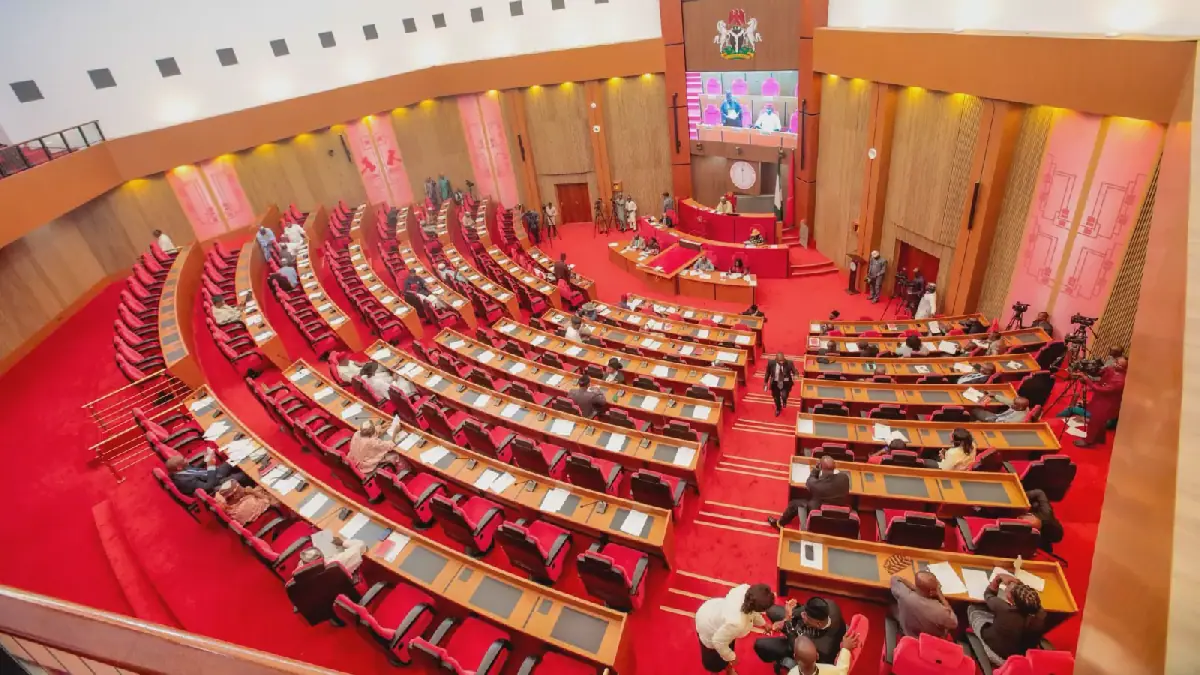
The Nigerian Senate has passed a bill for second reading, proposing a six-month jail term or a fine of up to N300,000 for hospitals and healthcare providers that violate proposed emergency treatment standards. The bill, sponsored by Senator Abdulaziz Yar’Adua, aims to amend the National Health Act, 2014, to establish enforceable standards for emergency medical treatment, healthcare workers’ training, and patient referrals. The proposed legislation seeks to address critical gaps in Nigeria’s healthcare system.
The bill requires public and private hospitals to assess emergency patients within 15 minutes of arrival, begin initial stabilization within 30 minutes, and complete referrals to other facilities within three hours where necessary. Hospitals must begin triage and initial assessment within 15 minutes of a patient’s arrival, and where a doctor is unavailable, a trained and certified nurse may conduct the assessment. This move aims to ensure that patients receive timely, life-saving treatment during emergencies.
The proposed law mandates hospitals to provide basic stabilization, including oxygen therapy, intravenous fluids, pain relief, and preliminary diagnostic procedures, within 30 minutes. It also requires immediate life-saving interventions, including cardiopulmonary resuscitation, airway management, and bleeding control, once a life-threatening condition is identified. Additionally, hospitals must assign beds to patients needing admission within two hours, subject to availability.
Facilities without available beds must stabilize patients and begin referral arrangements. The bill also requires hospitals to dispatch ambulances or arrange alternative transportation within 30 minutes of deciding to refer a patient. These measures aim to prevent avoidable deaths from road accidents and maternal emergencies. Senator Yar’Adua emphasized that the amendment would ensure patients receive timely treatment, irrespective of their social status, wealth, influence, or location.
The Medical and Dental Council of Nigeria and the Nursing and Midwifery Council of Nigeria would jointly develop a national emergency care curriculum. Healthcare workers involved in emergency care would be required to undergo training and certification at intervals not exceeding 18 months. This move aims to enhance the skills of healthcare workers and improve emergency care services in Nigeria.
Supporting the bill, the Senate Whip, Senator Mohammed Monguno, said it would help prevent avoidable deaths from road accidents and maternal emergencies. He lamented that some healthcare providers neglected emergency patients, leading to preventable deaths. The proposed law would make violations of emergency treatment standards punishable, ensuring accountability in the healthcare sector.
The bill's passage marks a significant step towards improving emergency care services in Nigeria. If passed into law, it would provide a framework for ensuring that hospitals and healthcare providers adhere to established standards for emergency medical treatment. The law would also provide a safer and more reliable healthcare system for Nigerians, particularly in emergency situations.
Key points
- Hospitals rejecting emergency patients could face a six-month jail term or a fine of up to N300,000.
- The bill requires hospitals to assess emergency patients within 15 minutes of arrival and begin initial stabilization within 30 minutes.
- Healthcare workers involved in emergency care would be required to undergo training and certification at intervals not exceeding 18 months.