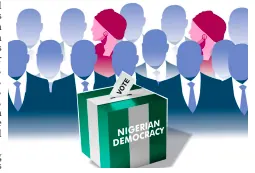
The approaching 2027 elections in Nigeria have brought attention to the involvement of religious scholars in politics. Islamic scholars have a right to speak on governance and moral responsibilities of leaders. However, concerns arise when some scholars seem to abandon principles after receiving money or appointments. This contradiction is described as religious hypocrisy and sycophancy by many Nigerians. The issue has gained traction with the ruling party and its allies seeking support from Islamic sect leaders and non-sectarian religious figures.
The Nigerian Supreme Council for Islamic Affairs and Jama’atu Nasril Islam have cautioned Muslim and Christian clerics against partisanship, misinformation, and hate speech ahead of the 2027 elections. They also warned politicians against compromising religious leaders. Despite this, reports of a cleric praising politicians after receiving a ₦600 million donation have generated public criticism. The issue is not about receiving donations but whether financial gifts influence a cleric's judgment or lead to the elevation of politicians beyond public scrutiny.
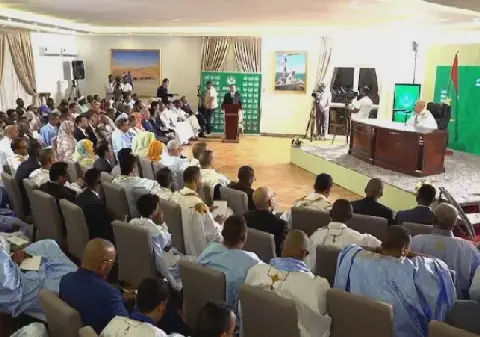
A recent gathering of northern Islamic scholars in Jigawa sparked controversy. Sheikh Abdurrahman Abubakar Azzamfari disputed reports that participants had collectively endorsed President Bola Tinubu’s re-election, claiming scholars had not been adequately consulted. This episode raises an important principle: political and religious actors should not present religious gatherings as unanimous endorsements when such unanimity has not been established. This incident highlights the need for clarity in the involvement of religious leaders in politics.
Sheikh Qaribullah Kabara, leader of the Qadiriyya sect, declared support for President Tinubu’s administration and his 2027 re-election bid during a visit by the APC Presidential Campaign Council. Kabara stated that the sect believed Tinubu had a “Good Mission for Nigeria.” The Council's leader, Senator Abdul’aziz Yari, openly supported Kabara, stating that whatever he brings forward, they have no option but to support it. The sect will also begin praying for the president, focusing on peace, economic recovery, job creation, and an end to insecurity.
Such declarations by religious leaders inevitably invite questions about their independence and potential compromise. The public is concerned that material generosity may purchase moral endorsement, undermining the credibility of religious authority. As the 2027 elections approach, Nigerians expect religious scholars to maintain their moral independence and not be swayed by political influence or material benefits.
The involvement of religious scholars in politics is a legitimate aspect of democratic mobilisation. However, it becomes troubling when religious influence appears to be exchanged for material benefits or personal advantage. The line between legitimate engagement and compromise must be clearly drawn to maintain the integrity of both religious and political institutions.
Ultimately, the credibility of religious leadership in Nigeria depends on its ability to maintain moral independence and avoid being compromised by political influence or material benefits. As the 2027 elections draw closer, the public will be watching closely to see how religious scholars navigate the complex intersection of faith and politics.
Key points
- The Nigerian Supreme Council for Islamic Affairs and Jama’atu Nasril Islam have cautioned against partisanship and misinformation ahead of the 2027 elections.
- A cleric's public praise for politicians after receiving a ₦600 million donation has generated considerable public criticism.
- Religious leaders' involvement in politics raises concerns about their moral independence and potential compromise.