In Mauritania, a significant transformation has occurred in the role of elites in the country's governance. The post-independence generation, influenced by Nasserist and Third Worldist ideas, had a clear objective: to consolidate the fragile sovereignty of the newly independent nation. This generation implemented key reforms, including revising agreements with France in 1972-1973 to reduce dependence, creating the Ouguiya in 1973, and nationalizing the MIFERMA mining company in 1974, which became the SNIM.
The current generation of elites in Mauritania has undergone a substantial shift. The militarization of the state following the 1978 coup and the subsequent war in the Sahara led to the army taking center stage in governance. As a result, political elites transitioned from driving a national project to supporting a military power that reorganized the state along tribal and ethnic lines. This change transformed the administration into a competitive arena for resources, with loyalty to the military regime becoming the primary source of legitimacy.
The exploitation of natural resources, including iron, oil, and gold, has provided considerable revenue to successive Mauritanian governments. However, instead of using these funds for inclusive development, the ruling elites have utilized them to secure the loyalty of key figures and maintain control. This system of neopatrimonialism rewards tribal leaders and notables with government positions and access to public resources in exchange for political support, creating a culture of dependency and corruption.
The political landscape in Mauritania has also been influenced by the resurgence of traditional notables in the 1990s, following the introduction of political reforms. Many political parties, including opposition groups, have relied on tribal networks to mobilize voters, thereby perpetuating clientelist dynamics. Furthermore, the series of national dialogues, which have taken place 14 times since 1978, have often resulted in the co-optation of opposition figures and the suppression of structural reforms.
In contrast to the organized nationalist movements and student unions that supported the post-independence elites, Mauritania's civil society today is fragmented and often marginalized. Intellectuals who attempt to organize and advocate for human rights and freedoms frequently face criminalization or ostracism. This has led to a shrinking autonomous space for dissent, forcing many elites to choose between co-optation by the regime or exile.
The shift from a nationalist, emancipatory elite to a clientelist, military-dependent elite in Mauritania is not the result of moral decay but rather a series of structural transformations. The militarization of the state, the use of resource rents to control politics, and the gradual absorption of opposition groups into the regime have redefined the relationship between the state and its citizens. The current elite was produced by a system that replaced national legitimacy with allegiance to the military and the distribution of rents.
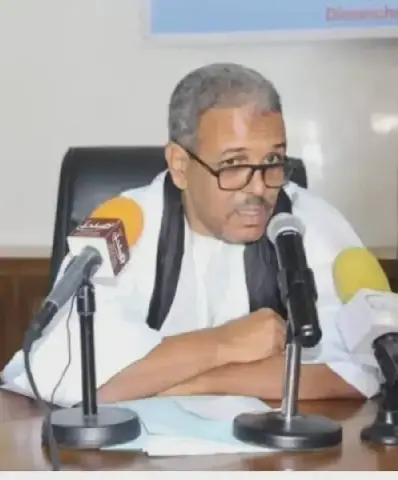
According to Cheikh Aïdara, the changes in Mauritania's elite reflect broader systemic changes rather than individual failures. Understanding these dynamics is crucial for addressing issues of corruption and clientelism and for fostering a more inclusive and participatory political culture in the country. The evolution of Mauritania's elites underscores the need for structural reforms to revive the national project and promote a more equitable distribution of resources.
Key points
- The post-independence generation of elites in Mauritania implemented key nationalist reforms, including the nationalization of key industries and the creation of a national currency.
- The current generation of elites in Mauritania is characterized by its dependence on a militarized, clientelist system that has stifled national development and perpetuated corruption.
- Structural transformations, including the militarization of the state and the use of resource rents for political control, have driven the shift from a nationalist to a clientelist elite in Mauritania.