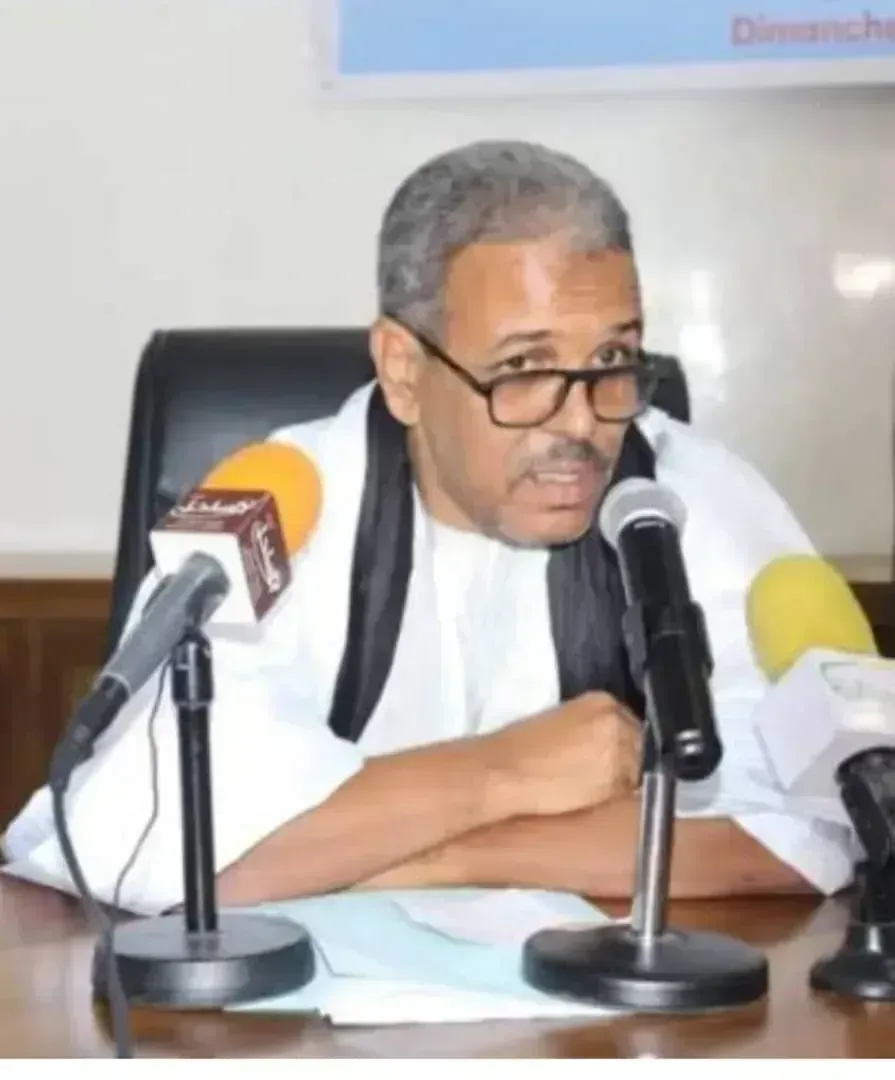
Mauritania's President Mohamed Ould Cheikh El Ghazouani recently visited the city of Atar, where he posed thought-provoking questions about the country's future, sparking widespread debate among political and media circles, as well as on social media platforms. The questions, "What kind of Mauritania do we want?" and "Where are we headed?" went beyond the country's institutions and their ability to keep pace with societal changes.
The discussion surrounding the President's questions revealed a more profound issue: what kind of citizenry does Mauritania need for its future? This inquiry is crucial in understanding the type of state Mauritania aspires to be and the system of governance required to manage its present and shape its future. The interconnection between the state and its citizens is undeniable, as institutions operate within a societal context.
Since gaining independence, Mauritania has made significant strides in establishing state institutions and solidifying their presence in society. However, constructing a state involves more than just creating institutions; it requires a compatible political and social culture. The onus lies not only with the ruling authority but also with various influential groups, including political, intellectual, and cultural elites.
These groups play a pivotal role in shaping public discourse, transitioning society from personal relationships to institutional frameworks, and prioritizing the public interest. Unfortunately, the absence of this role has led to a void that has been filled by populist rhetoric and narrow interests. The challenge lies in reconciling traditional societal structures with the demands of a modern state.
Education is a critical component in fostering a sense of citizenship and responsibility among Mauritanians. Schools should not only focus on academic knowledge but also instill values such as respect for the law, understanding of public interest, and acceptance of diversity. The media and cultural sectors also have a significant role to play in steering public discourse towards policy discussions and future-oriented debates.
The conversation initiated by the President's questions in Atar can be expanded to encompass a broader inquiry: what kind of citizenry does Mauritania want for its future? The desired citizenry should perceive the state as an inclusive framework for all Mauritanians, choose representatives based on merit and program, and prioritize national identity over social, regional, or tribal affiliations.
Ultimately, discussions about Mauritania's future should not be limited to technical aspects of governance and institutions. The focus should also be on the human element, as institutions are created and policies are implemented by people. A modern political system requires a modern citizenry, aware of their political rights and responsibilities, and an elite that prioritizes the public interest over personal gains.
Key points
- The future of Mauritania depends on building a modern state and citizenry.
- Education, media, and cultural sectors have a crucial role in shaping the country's future.
- A modern political system requires a modern citizenry and a responsible elite.