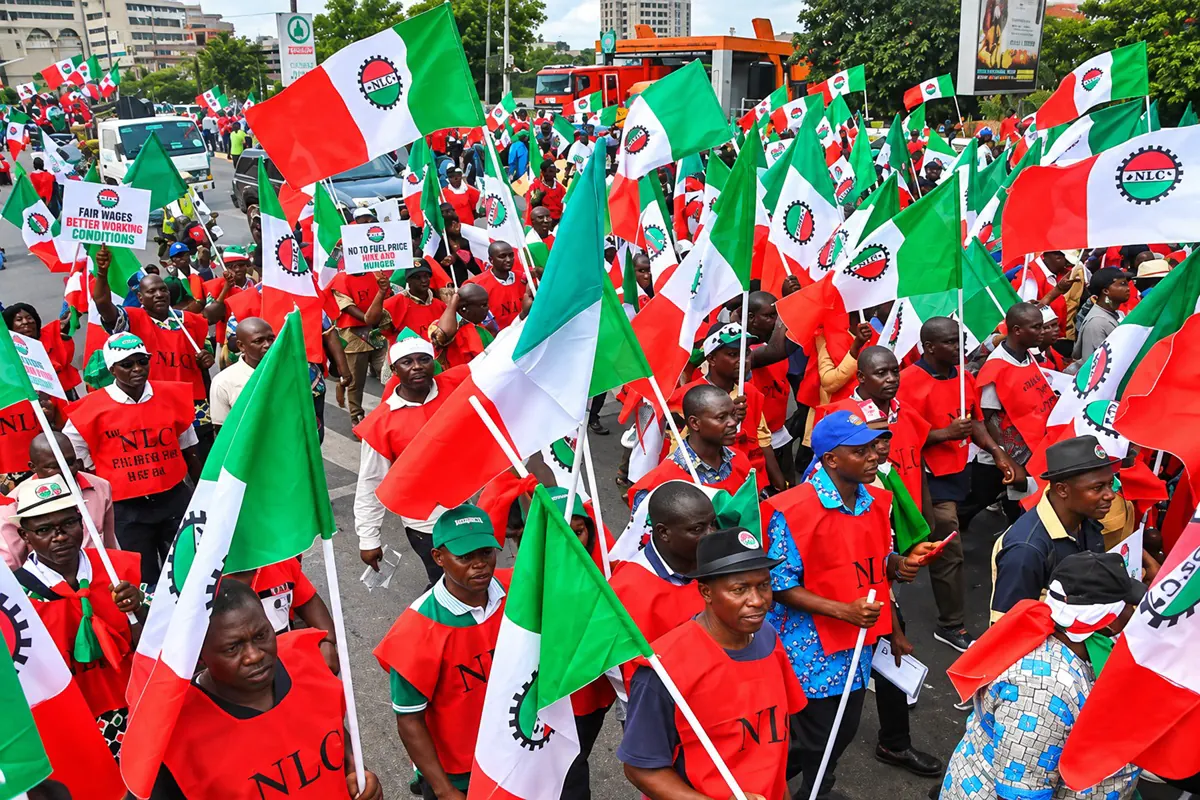
Public servants across Nigeria's Federal, state, and local government services have commenced a three-day warning strike. The Joint National Public Service Negotiating Council (JNPSNC) initiated the industrial action from midnight on Friday, October 2, citing worsening economic hardship and unaddressed demands. The strike follows the expiration of a September 30 deadline issued by the JNPSNC after the Federal Government failed to act on their demands.
The JNPSNC is demanding a reduction in the price of petrol to ₦500 per litre, citing the high cost of petrol as a major contributor to increased transportation costs and prices of food and essential goods. The council also wants an immediate wage award to cushion the rising cost of living and the constitution of a tripartite committee to negotiate a new national minimum wage ahead of 2027.
The strike notice was issued after President Bola Ahmed Tinubu's 66th Independence Day address, in which he defended his administration's economic reforms but did not announce specific measures demanded by the public-sector unions. The JNPSNC had earlier given a September 30 deadline to address their demands, which included reducing the pump price of Premium Motor Spirit and approving an immediate wage award.
The Nigeria Labour Congress (NLC) has expressed similar concerns, calling for an immediate reduction in petrol prices, a nationwide wage award, and commencement of negotiations for a new national minimum wage. The NLC linked the current cost-of-living pressures to the increase in petrol prices following the removal of subsidy in 2023.
The JNPSNC's demands are aimed at addressing the economic and mental hardship experienced by workers, their dependants, and vulnerable Nigerians. The council argued that beginning negotiations for a new national minimum wage early would help prevent delays in negotiating, legislating, and implementing the new wage when the current arrangement becomes due.
The strike will run from Friday, October 2, to Sunday, October 4, 2026, and has been endorsed by the national presidents and general secretaries as well as state chairmen and secretaries of the council's affiliate unions. The JNPSNC formally activated the action in a circular dated October 1 and signed by its National Secretary, Comrade Olowoyo Gbenga.
The Federal Government's response to the strike and the JNPSNC's demands remains unclear. The strike may have implications for government services and the economy, particularly if it is extended or leads to further industrial actions.
Key points
- The strike is over unresolved demands including reduced petrol prices and a new minimum wage.
- The JNPSNC had given a September 30 deadline to address their demands.
- The strike may have implications for government services and the economy.