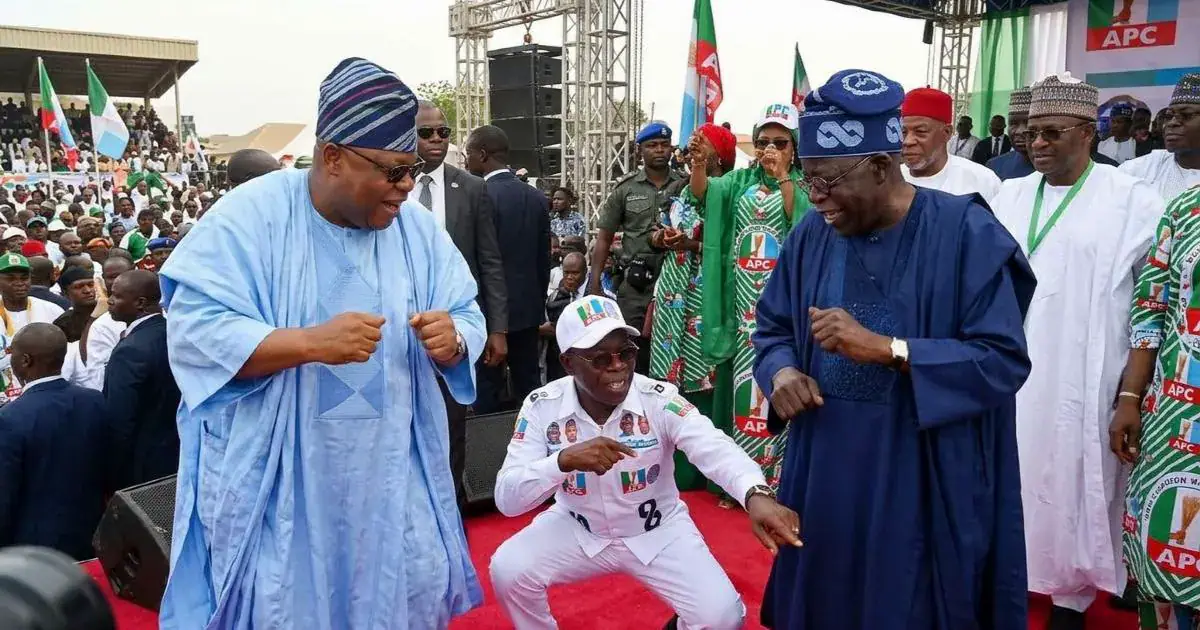
As Nigeria prepares for the 2027 elections, politicians are using dance to connect with voters and add excitement to their campaigns. The trend has seen politicians and their supporters breaking into dance at campaign rallies, showcasing a range of dance styles. This phenomenon has turned political campaigns into entertainment events, filled with color, hype, and drama. According to opinion writer Reuben Abati, this development highlights the significance of dance in Nigerian culture and its role in politics. Dance is a universal language that conveys emotions, energy, and physical fitness. In African settings, dance is an integral part of cultural expression.
The use of dance in Nigerian politics is not new, but its prominence has increased in recent times. Politicians are now competing to outdo each other with their dance moves, with some displaying impressive skills while others appear less coordinated. President Bola Ahmed Tinubu has been spotted dancing at campaign rallies, entertaining crowds with his moves. His favorite songs to dance to are "Omo Ologo" by Dauda Kahutu Rarara and "Bola, On Your Mandate We Stand". These songs seem to trigger a joyful response from the President, who smiles and dances with enthusiasm. Rarara's song "Omo Ologo" has become a rallying cry for Tinubu's supporters.
Dauda Kahutu Rarara, a prominent musician from Kano State, has become a favorite of President Tinubu. His song "Omo Ologo", which means "a child of glory" in Yoruba, has resonated with Tinubu's rise to power. Rarara's music has displaced King Wasiu Ayinde Marshall (KWAM 1), a renowned Fuji exponent, as Tinubu's preferred musician. KWAM 1 remains popular in the South West, but Rarara's star is rising. The tradition of musicians being favored by monarchs dates back to antiquity, with examples including the Minnesingers of German courts and palace musicians in Yoruba kingdoms.
President Tinubu's dance style is characterized by simple hand movements and shuffling sideways. His fans find his dance moves entertaining, and he often dances to songs that resonate with his persona. For example, he danced to Duncan Mighty's "Port Harcourt Boy" in Uyo, Akwa Ibom State, relating to the song's theme of being a "city boy". Tinubu's love for praise-singing is also evident, as he sways to music and raises his hands in appreciation. Praise-singing is a vital aspect of politics, bringing movement and energy to campaign rallies.
Other politicians have also taken to dancing during their campaigns, showcasing their own unique styles. While some display impressive dance skills, others appear less coordinated, but their enthusiasm is evident. The trend has sparked debate about the role of dance in politics and its impact on voters. Some argue that dance is a way for politicians to connect with voters and show their human side, while others see it as a frivolous distraction from more pressing issues.
The use of dance in Nigerian politics highlights the significance of cultural expression in the country's electoral process. Dance is a universal language that transcends linguistic and cultural barriers, allowing politicians to connect with voters on a deeper level. As the 2027 elections approach, it is likely that dance will continue to play a prominent role in campaign rallies, entertaining crowds and conveying the messages of politicians.
The intersection of politics and dance in Nigeria raises questions about the role of art in electoral campaigns. While some see dance as a welcome distraction from the usual politicking, others argue that it detracts from more serious issues. As the country prepares for the 2027 elections, it remains to be seen how dance will continue to shape the electoral landscape. One thing is certain, however: dance has become an integral part of Nigerian politics, entertaining crowds and conveying the messages of politicians.
Key points
- Nigerian politicians are using dance to connect with voters and add excitement to their campaigns.
- President Bola Ahmed Tinubu has become known for his dance moves, entertaining crowds with his enthusiasm.
- The use of dance in Nigerian politics highlights the significance of cultural expression in the country's electoral process.
Reporting sources
- Dance as politics: Dancing to 2027 · The Point