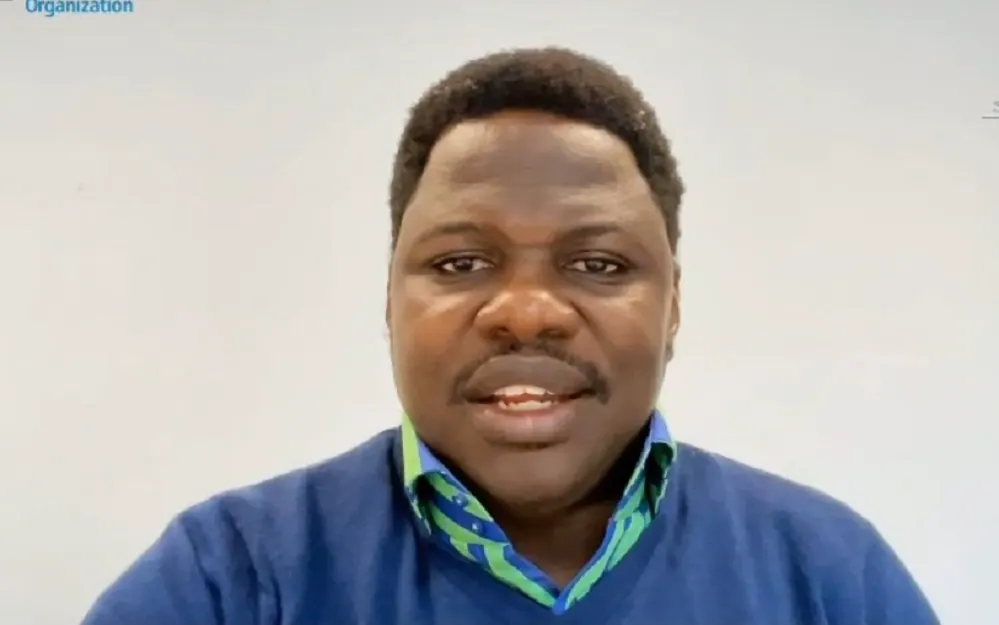
The Nigerian Mental Health Summit, convened by Dr. Oluyinka Oyeniji, has called for a comprehensive national approach to mental healthcare that incorporates the experiences of patients, caregivers, families, and individuals affected by mental health conditions. The summit, held to commemorate World Mental Health Day, brought together mental health advocates, healthcare professionals, researchers, and stakeholders to discuss challenges and opportunities for improving mental healthcare in Nigeria. This initiative aims to promote positive change in the country's mental health sector.
According to Dr. Oyeniji, the summit is crucial, especially with many Nigerians experiencing mental health challenges directly or through their roles as caregivers, family members, and friends. He highlighted the Federal Government's move to decriminalize attempted suicide as a significant development, following over 14 years of advocacy. Dr. Oyeniji commended stakeholders for sustaining the campaign for reform and urged Nigerians to support efforts to improve mental healthcare and protect the rights of people living with mental health conditions.
The summit featured a keynote address by Dr. Tunde Ojo, National Coordinator of the National Mental Health Programme, on the theme "Transforming Mental Health Landscape in Nigeria: Legislative and Policy Imperative." Other speakers, including Kehinde Ekpudu, a registered clinical social worker in Alberta, Canada, and Ololade Sanusi, a mental health coach, shared their expertise on various aspects of mental healthcare. Ekpudu's presentation examined mental health challenges associated with migration, while Sanusi addressed personal experiences in mental healthcare.
Dr. Oyeniji emphasized the need to incorporate the perspectives of affected individuals and their families into the design and implementation of mental healthcare programs. He also called for stronger mental health legislation and institutional coordination across the country. Currently, Lagos and Ekiti states are the only states in Nigeria that have enacted mental health laws, while the federal government's Mental Health Act, 2023, is undergoing necessary amendments.
The convener acknowledged the contributions of various stakeholders, including Damilola Seriki, Babajide Balogun, and the Human Rights Foundation, led by Victor Fakunle, for their work in promoting fundamental human rights. He also recognized Philip Jakpor of the Renevlyn Development Initiative for supporting public enlightenment campaigns on environmental justice. These collaborations aim to address the broader social determinants of mental health.
Dr. Oyeniji described the summit as an opportunity to strengthen collaboration among researchers, mental health advocates, and stakeholders working to improve Nigeria's mental health landscape. He urged participants to use their voices and professional experiences to promote meaningful reforms, stressing that discussions about mental health must translate into practical improvements in the lives of affected Nigerians.
The 2026 World Mental Health Day theme, "Lived experiences heard: real voices, real change," resonated throughout the summit. Dr. Oyeniji invited stakeholders to participate in the next World Mental Health Day gathering in 2027, expressing optimism that continued advocacy and collaboration would help advance mental healthcare in Nigeria. The summit aims to foster a culture of inclusivity and empathy in addressing mental health challenges.
Key points
- The Nigerian Mental Health Summit calls for an inclusive national approach to mental healthcare.
- The summit highlights the need for stronger mental health legislation and institutional coordination.
- The event aims to promote positive change in Nigeria's mental health sector through collaboration and advocacy.