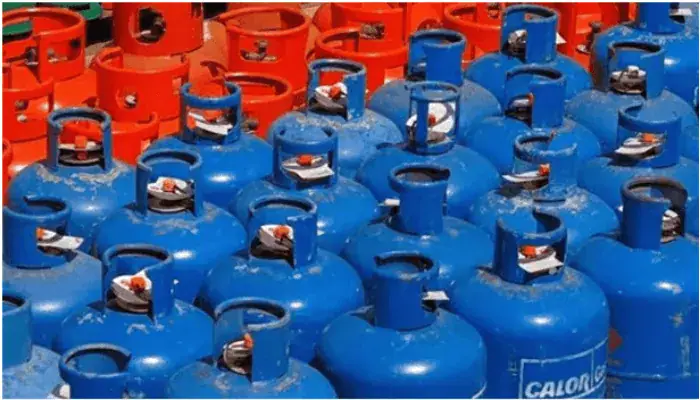
Nigerian households, restaurants, and small businesses are bracing for higher cooking costs following Dangote Refinery's 8.1% increase in liquefied petroleum gas (LPG) gantry price to N1000 per kilogram from N925. This N75 increase may lead to further retail price adjustments in an already expensive household energy market. The price hike comes as wholesale prices across major Lagos depots remain elevated.
Wholesale prices at Lagos depots, including Navgas, 11Plc, Nipco, Techno Oil, and Rain Oil, stood at N1450 per kilogram as of November 5. Refilling a 12.5-kilogram cylinder would cost approximately N18125 at the depot price alone, excluding transportation, retailer margins, and other charges. A five-kilogram cylinder would cost around N7250. The depot price is N450 above Dangote's new gantry price, but the two prices are not directly comparable due to differences in supply channels and handling costs.
Dangote's price adjustment is significant given its growing influence on Nigeria's domestic petroleum products market. An increase in its supply price could impact distributors' and retailers' cost structures, particularly when competing wholesale suppliers are charging elevated prices. For millions of households that have switched to LPG as an alternative to traditional fuels, further price increases could undermine efforts to expand access to cleaner cooking fuels.
Despite a 17.78% increase in domestic LPG supply to 4.5 million liters daily in September 2026, from 3.7 million liters in the corresponding period of 2025, wholesale prices remain high. The increase in domestic supply has not translated into lower wholesale prices, leaving households exposed to higher supply costs and distribution expenses. Industry operators attribute the improvement in domestic supply to increased local production but stress the need for sustained investment and government support.
Oladapo Olatunbosun, former national president of the Nigerian Association of Liquefied Petroleum Gas Marketers, noted that production is improving, but affordability remains a challenge. Inyang Edu, national president of the Nigerian Association of Liquefied Petroleum Gas Marketers, identified international energy prices, shipping and insurance costs, foreign-exchange exposure, and domestic logistics as major factors influencing cooking gas prices.
Rising replacement costs at depots leave marketers with little room to maintain existing retail prices without incurring losses. Edu warned that the consequences of price increases extend beyond household budgets, affecting restaurants, bakeries, food vendors, schools, and hotels that depend on LPG for daily operations. Nigerian businesses are grappling with higher operating expenses, including electricity, transportation, and food inputs.
Emmanuel Omuojine, managing director of Rainoil, cited international supply disruptions, freight expenses, and domestic market constraints as drivers of LPG price volatility. Nigeria consumes approximately 1.6 million metric tonnes of LPG annually, with imports historically accounting for about 40% of demand. The Nigerian Association of Liquefied Petroleum Gas Marketers has warned that persistent price increases could reverse progress in the country's clean cooking transition.
Key points
- Dangote Refinery's 8.1% increase in LPG gantry price to N1000/kg may lead to higher retail prices.
- Domestic LPG supply increased by 17.78% to 4.5 million liters daily in September 2026.
- Persistent price increases could reverse progress in Nigeria's clean cooking transition.