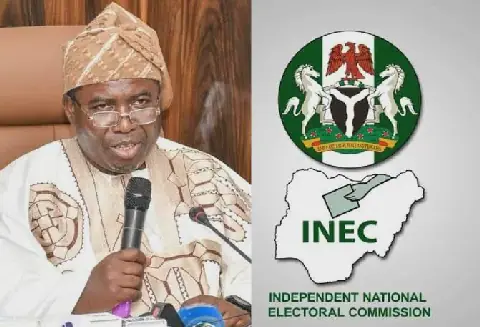
The Nigerian Guild of Editors (NGE) has called for significant constitutional and electoral reforms to strengthen Nigeria's democracy. These reforms include introducing a 50% threshold for presidential elections and resolving electoral disputes before the swearing-in of declared winners. The Guild also advocates for changes in the appointment process of the Independent National Electoral Commission (INEC) and State Electoral Commissioners. These resolutions were made at the 22nd All Nigeria Editors Conference (ANEC 2026) in Enugu.
The conference, themed "The Ballot, the Media and the Task of Keeping Democracy Alive," took place from September 24 to 26, 2026, and was chaired by the Obi of Onitsha, His Royal Majesty Igwe Nnaemeka Alfred Achebe. The keynote address was delivered by Archbishop Emeritus of Abuja, His Eminence John Cardinal Onaiyekan. Vice President Kashim Shettima participated virtually as Special Guest of Honour, while Enugu state Governor, Dr Peter Ndubuisi Mbah, was the Chief Host. Over 500 editors, publishers, and senior media practitioners attended the conference.
The Guild observed that while the ballot is the principal instrument for citizens to exercise their sovereign will, its value depends on credible information and public confidence in the electoral process. Voter apathy is attributed to poor governance, electoral violence, intimidation, administrative shortcomings, and declining public confidence. The editors expressed concern that judicial interventions in electoral disputes have created perceptions that court decisions can displace outcomes recorded at the ballot box.
The Guild called for electoral adjudication that is timely, transparent, predictable, and impartial, with genuine electoral irregularities addressed. They recommended resolving electoral disputes within appropriate timelines, preferably before the swearing-in of declared winners. The editors also suggested considering a constitutional threshold for presidential elections and a run-off if the candidate with the highest number of votes fails to secure up to 50% of the votes cast.
The conference identified emerging threats to electoral information integrity, including generative artificial intelligence, deep fakes, voice cloning, and automated networks. These threats can produce and distribute synthetic content rapidly, such as fabricated election results and cloned voices of public officials. The editors warned that this could erode public trust when citizens cannot distinguish authentic information from fabricated content.
To combat these threats, the Guild urged newsrooms to institutionalize fact-checking and verification systems and integrate digital verification and deep fake detection tools into their editorial workflows. They reaffirmed the Nigerian Media Code of Election Coverage (Revised 2022) and urged all news organizations to adopt the Code and train their journalists on its provisions ahead of the 2027 elections.
The Nigerian Guild of Editors also called for a review of the limitations placed on ordinary voters seeking to challenge electoral results and advocated for a constitutional framework permitting independent candidacy. The Guild's recommendations aim to strengthen Nigeria's democracy and ensure the integrity of the electoral process.
Key points
- The Nigerian Guild of Editors calls for a 50% presidential threshold and timely resolution of electoral disputes.
- The conference identified emerging threats to electoral information integrity, including generative artificial intelligence and deep fakes.
- The Guild urged newsrooms to institutionalize fact-checking and verification systems to combat these threats.