The Federal Government of Nigeria has issued a two-week ultimatum to motorists and road users to comply with safety measures on the Lagos section of the Lagos-Calabar Coastal Highway. The warning was given by Olufemi Dare, the Federal Controller of Works in Lagos State, during an inspection tour of the highway on Monday. He stated that the decision was made following a directive from the Minister of Works, David Umahi.
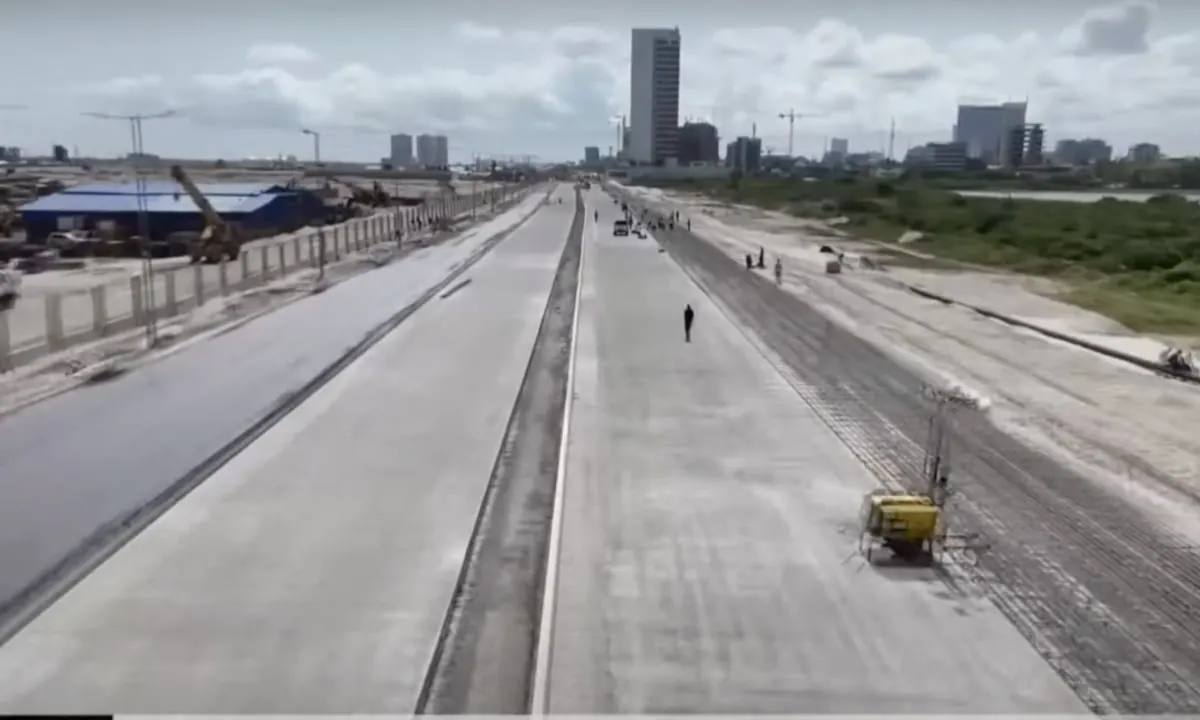
The Lagos section of the coastal highway spans about 103km, comprising two sections: Section 1 covering 47km and Section 2 extending 56km. There are 20 major bridges across the two sections in Lagos, with 10 in each section, several of which are still under construction. Dare emphasized that the coastal highway was still under construction and should not have been opened to traffic before the completion of its bridges.
The government cited persistent safety breaches, vandalism, and other illegal activities along the road as reasons for the ultimatum. Dare mentioned that the government has an alternative route, the Lekki-Epe Expressway. He stressed that if there's no improvement in safety conditions within two weeks, the government will have no option but to shut down the road.
The Minister of Works, David Umahi, had directed the shutdown of the highway due to the aforementioned issues. The Federal Controller of Works in Lagos State reiterated the government's commitment to ensuring the safety of road users. The Lagos-Calabar Coastal Highway is a significant infrastructure project aimed at enhancing transportation and economic development in the region.
In a related development, the Nigerian government has banned certain vehicles from plying the Lagos-Calabar Coastal Highway. The banned vehicles include okada, keke, trucks, and others. This move is part of efforts to regulate traffic and prevent accidents on the highway.
The government has expressed concerns about the increasing rate of accidents and safety breaches on the highway. The shutdown of the highway would have significant implications for economic activities and transportation in the region. Motorists and road users are urged to comply with safety measures to avoid the shutdown.
The Lekki-Epe Expressway serves as an alternative route for motorists and road users. The government is working to complete the construction of the Lagos-Calabar Coastal Highway and ensure its safe usage. The two-week ultimatum is a call to action for stakeholders to work together to address the safety concerns and prevent the shutdown of the highway.
Key points
- The Nigerian government has given a two-week ultimatum to motorists and road users to comply with safety measures on the Lagos-Calabar Coastal Highway.
- The government cites persistent safety breaches, vandalism, and other illegal activities as reasons for the ultimatum.
- The Lekki-Epe Expressway serves as an alternative route in case of the shutdown of the Lagos-Calabar Coastal Highway.