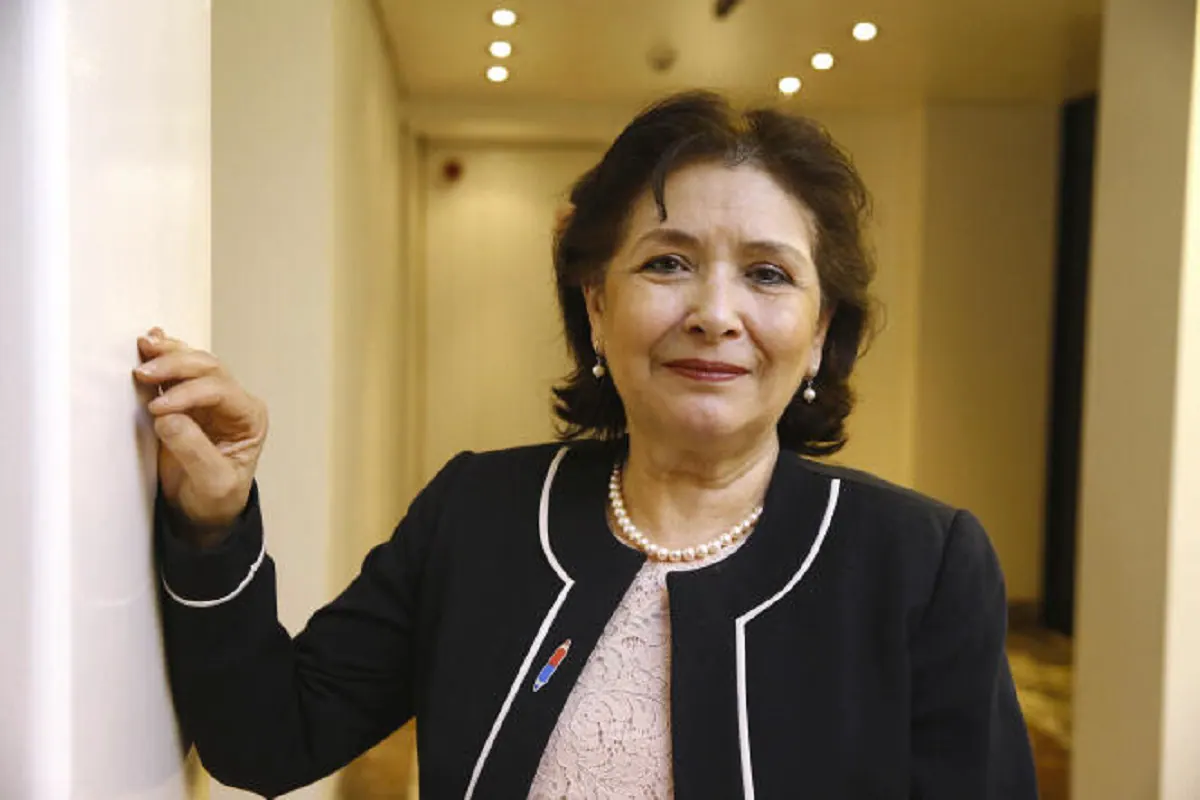
The trial of Sihem Ben Sedrine, the former president of Tunisia's Truth and Dignity Commission (IVD), was scheduled to take place on September 21, 2026, at the Tunis Court of First Instance. However, the hearing has been postponed. The case revolves around an arbitral decision made by the IVD in favor of the late businessman Lazhar Sta. Ben Sedrine disputes the charges, arguing that the IVD's decisions were in line with the rules of transitional justice.
Sihem Ben Sedrine has already been sentenced to 25 years in prison in June 2026. The convictions include five years for the Banque franco-tunisienne case, five years for alleged irregularities within the IVD, and 15 years for falsification and use of false documents. Other proceedings related to the management of the IVD are ongoing. Ben Sedrine's lawyers and supporters claim that the charges against her are unfounded and part of a broader campaign to discredit her work in uncovering human rights abuses under Tunisia's former autocratic regime.
The postponement of the trial comes as Ben Sedrine faces multiple investigations and charges. In March 2023, she was banned from leaving the country as prosecutors investigated her for alleged falsifications in the commission. This development has sparked concerns among human rights activists and lawyers, who see it as an attempt to intimidate and silence a key figure in Tunisia's transitional justice process.
Ben Sedrine's case has garnered significant attention in Tunisia and internationally. Her supporters argue that her work has been crucial in shedding light on the abuses committed under the country's former regime. They claim that the charges against her are a form of persecution aimed at undermining the progress made in the field of transitional justice.
The Truth and Dignity Commission was established in 2014 to investigate human rights abuses committed under Tunisia's former autocratic regime. Ben Sedrine, as the head of the commission, played a key role in uncovering the truth and providing recommendations for redress. Her work has been widely recognized, and she has received several awards for her human rights activism.
The postponement of the trial has sparked concerns about the state of transitional justice in Tunisia. Some argue that the country's progress in this area is being undermined by the ongoing investigations and charges against Ben Sedrine and other key figures. Others see it as a test of the country's commitment to accountability and human rights.
The trial's postponement leaves Ben Sedrine's fate uncertain. Her lawyers and supporters have vowed to continue defending her against what they see as politically motivated charges. The international community is watching closely, as the case has implications for Tunisia's human rights record and its transition to democracy.
Key points
- The trial of Sihem Ben Sedrine has been postponed to a later date.
- Ben Sedrine faces multiple charges and investigations, including allegations of falsification and use of false documents.
- The case has sparked concerns about the state of transitional justice in Tunisia and the potential impact on the country's human rights record.