Today, October 5, marks World Teachers' Day globally, a day set aside to recognize and appreciate the efforts of educators. However, in Nigeria, the mood among teachers is one of quiet despair. Despite the importance of their role in shaping the nation's future, Nigerian teachers face significant challenges, including low pay, poor working conditions, and a lack of basic instructional materials. The reality for the average Nigerian teacher is far removed from global ideals.
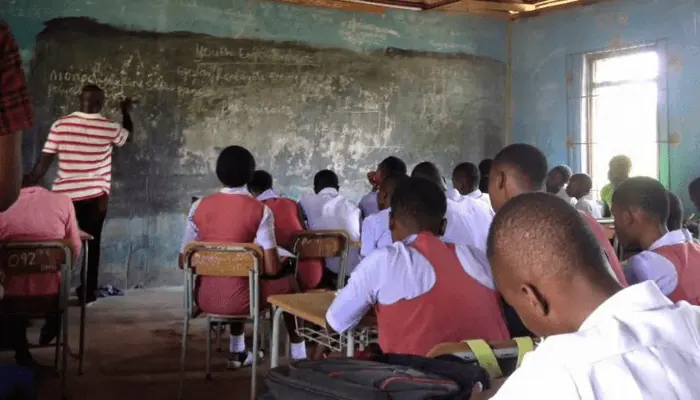
According to data from the Universal Basic Education Commission, Nigeria has approximately 32 million public school learners and about 592,000 teachers. This translates to a severe shortage of teachers, with a single teacher often left to handle a chaotic and overcrowded classroom of sixty to seventy pupils. The lack of basic facilities, such as functional writing boards and reliable roofs, further exacerbates the challenges faced by teachers.
The financial return for teachers' hard work is heartbreaking. Across many states, teachers' salaries lag far behind the rising cost of living. A basic salary of ₦40,000 to ₦60,000 a month barely covers transport to school for two weeks, let alone rent, healthcare, or feeding a family. Many teachers must rely on loans, side businesses, or handouts from former students just to get by.
The mass migration wave, popularly known as 'japa,' has deeply penetrated the teaching profession. Trained Nigerian teachers are quietly heading for the exit doors in droves, taking up recruitment offers in the UK, Canada, and the Middle East. When a certified teacher realizes they can earn more in a single week abroad than they would make in six months back home, staying behind becomes an exercise in self-punishment.
The exodus of experienced teachers is robbing local schools of their most passionate science and language teachers, leaving behind a massive vacuum that under-qualified replacements struggle to fill. This has significant implications for the quality of education in Nigeria. The situation is further compounded by the fact that many teachers are leaving the profession due to the lack of professional and financial support.
Marking World Teachers' Day should be a moment of national pride, a time to evaluate whether society is giving educators the support they deserve. However, in Nigeria, it has become an annual reminder of misplaced priorities. Until the government addresses the core issues, including paying living wages and ensuring prompt monthly salaries, teachers will continue to struggle.
Today, as the world celebrates those who shape the future, Nigeria's teachers are left asking a simple question: how can you build the future of a nation when the people holding the chalk are broken by hunger? The government's inaction has led to a situation where teachers are no longer motivated to perform their duties effectively. The question remains, what next for Nigerian teachers?
Key points
- Nigerian teachers face significant challenges, including low pay and poor working conditions.
- The mass migration of teachers is robbing local schools of experienced hands.
- The government's inaction has led to a crisis in the teaching profession.