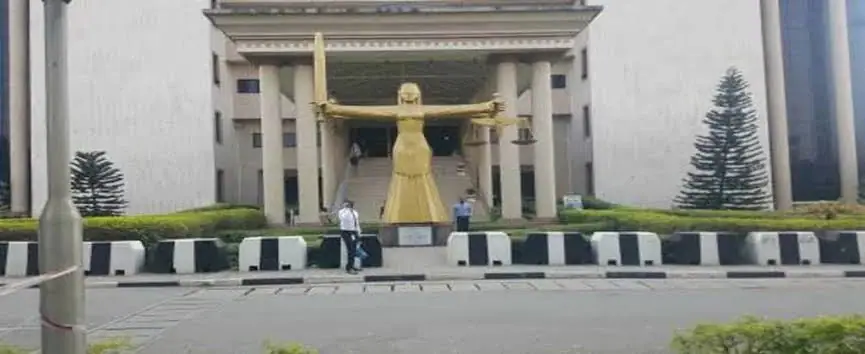
The Federal High Court in Abuja, on November 5, 2026, ruled that a video of interrogations conducted by military personnel can be used as evidence in the trial of six individuals accused of terrorism-related charges. The defendants, including retired Major-General Mohammed Gana, Captain Erasmus Victor, and four others, are facing 13 counts, including treason, terrorism, and money laundering. The court's decision was made after it dismissed the defendants' claims that the statements and video were obtained through torture, coercion, or deception.
The court's ruling was based on the testimony of four witnesses, including a military officer identified as "AAA", who presented the video of the interrogations. The judge, Justice Joyce Abdulmalik, found that the prosecution had shown that the defendants provided the statements voluntarily, without coercion. The judge dismissed the allegations of torture and coercion as unsubstantiated. The defendants' lawyers had challenged the admissibility of the video and statements, arguing that they were obtained through unlawful means.
The court's decision allows the prosecution to rely on the video and statements as evidence in the trial. However, the ruling does not imply that the court has found the contents of the video and statements to be true. The prosecution still bears the burden of proving the allegations against the defendants, while the defense lawyers can challenge the credibility and interpretation of the evidence. The trial will continue on December 7 and 10, 2026, with the prosecution expected to present additional evidence and witnesses.
The case involves six individuals accused of terrorism-related charges, including retired Major-General Mohammed Gana, Captain Erasmus Victor, Superintendent Ahmed Ibrahim, Zekeri Umoru, Bukar Goni, and Abdulkadir Sani. The Federal Government arraigned them on April 22, 2026, on 13 counts, including treason, terrorism, and money laundering. The defendants have denied the allegations. The court's ruling on the admissibility of the video and statements is a significant development in the trial.
The prosecution presented four witnesses, including the military officer who testified about the video of the interrogations. The court conducted a trial-within-trial to determine whether the statements and video were obtained voluntarily. The defense lawyers argued that the evidence was obtained through torture and coercion, but the court found no evidence to support these claims. The prosecution's case relies heavily on the video and statements, which the court has now ruled can be used as evidence.
The court's decision to admit the video and statements as evidence does not mean that the defendants are guilty of the charges. The trial will continue, with the prosecution presenting additional evidence and witnesses. The defense lawyers will have the opportunity to cross-examine the witnesses and challenge the credibility of the evidence. The court's final decision on the matter will depend on the evidence presented during the trial.
The ruling is a significant development in the trial, which is being closely watched due to the high-profile nature of the defendants and the charges. The court's decision to admit the video and statements as evidence has implications for the prosecution's case, but it does not necessarily determine the outcome of the trial. The trial will continue on December 7 and 10, 2026.
Key points
- The court's ruling allows the prosecution to use a military interrogation video as evidence in the trial of six individuals accused of terrorism-related charges.