The 81st session of the UN General Assembly concluded on September 28, 2026, with a theme that resonated deeply with African civil society organizations (CSOs). The theme, "Restoring Trust, Managing Transformation: A United Nations That Delivers for All," came at a time when the search for a new Secretary-General was underway. Despite the significance of this event, African CSOs, including those from Nigeria, faced substantial challenges in participating.
The CSO umbrella platform CIVICUS issued a public statement on September 7, highlighting the barriers and suspension of badges for ECOSOC-accredited NGOs. This made it difficult for many African CSOs to secure accreditation for the General Assembly sessions. However, side events hosted by international non-governmental organizations (INGOs), family foundations, and CIVICUS at the Ford Foundation Office provided opportunities for some CSOs to engage.
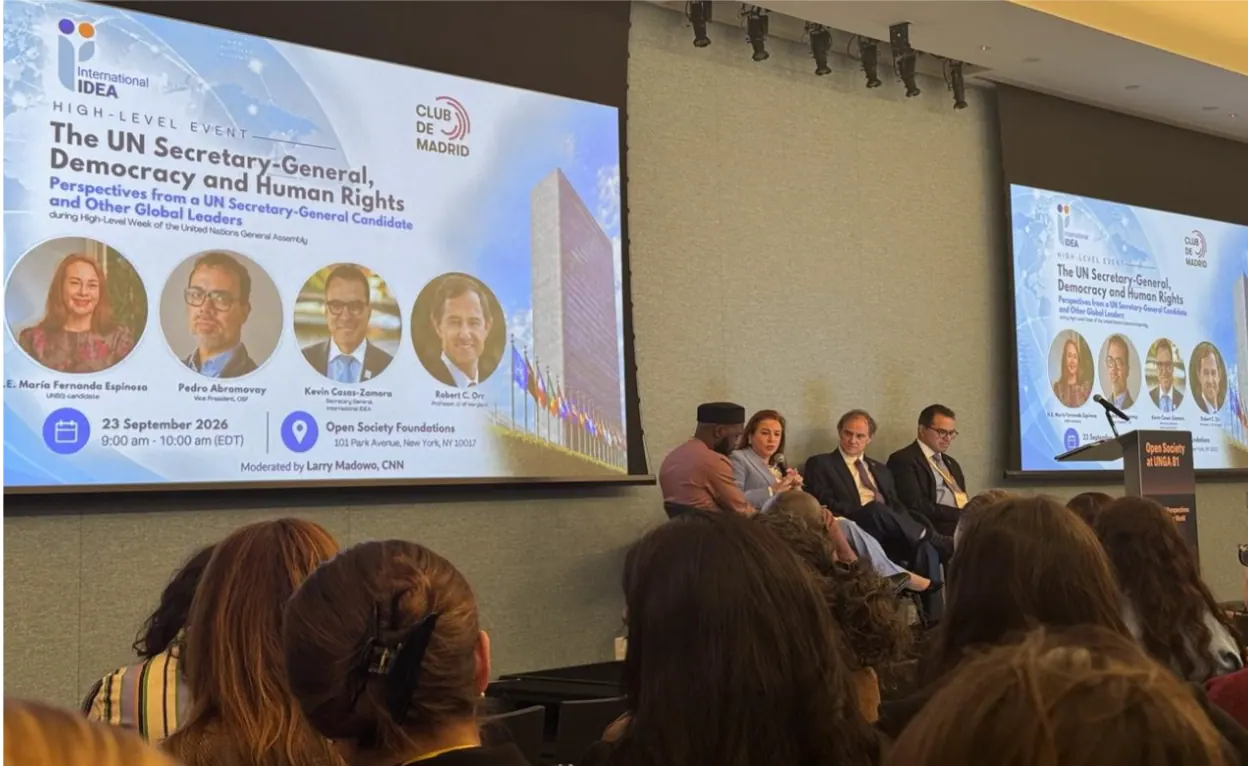
One of the few Nigerian CSOs that successfully participated in UNGA 81 was the Development Research and Projects Center (dRPC). The dRPC accessed several side events, including gatherings organized by the Global Campaign for Education-US (GCE-US), the Global Partnership for Education (GPE), and a high-level exchange with Maria Espinosa, a leading candidate for the next UN Secretary-General.
The International IDEA high-level exchange on September 23 featured Maria Espinosa sharing her vision for the UN Secretary-General position. Kevin Casas-Zamora, International IDEA Secretary-General, set the agenda by emphasizing that "democracy is the single most powerful instrument to promote development." The dRPC had previously commented on International IDEA Nigeria's local NGO-inclusive strategies to promote development.
Despite these opportunities, many Nigerian NGOs faced significant challenges in attending side sessions due to limited domestic resourcing and philanthropic investment in Nigerian civics. The defunding of USAID further exacerbated these challenges. As a result, few Nigerian NGOs were able to attend the New York replenishment meeting on September 23, despite rallying for the pre-Global Partnership for Education (GPE) replenishment meeting in Abuja on September 15.
The missed opportunities for Nigerian CSOs were notable, particularly given that the Federal Republic of Nigeria led the $3.5 billion global replenishment meeting for education financing for the first time in GPE's history. Additionally, Nigerian CSOs were absent from a convening of seven North-west governors who committed to advancing a shared regional agenda for peace, resilience, and economic opportunity on the margins of UNGA 81.
However, participation in the International IDEA side event helped fill this gap, addressing broad issues of conflict with implications for Nigeria. Academic Robert Orr noted that 65 countries are currently affected by active conflicts, the highest number since the end of World War II. He emphasized that the danger lies not at the top but in countries with mid-to-low levels of democratic performance that lack checks and balances and institutional mechanisms to channel conflicts peacefully.
Key points
- Limited resources and accreditation barriers hindered Nigerian CSOs' participation in UNGA 81.
- Side events provided opportunities for some Nigerian CSOs to engage with global development issues.
- Increased support for African CSOs' participation at UNGA is crucial for ensuring their voices are heard in global decision-making.