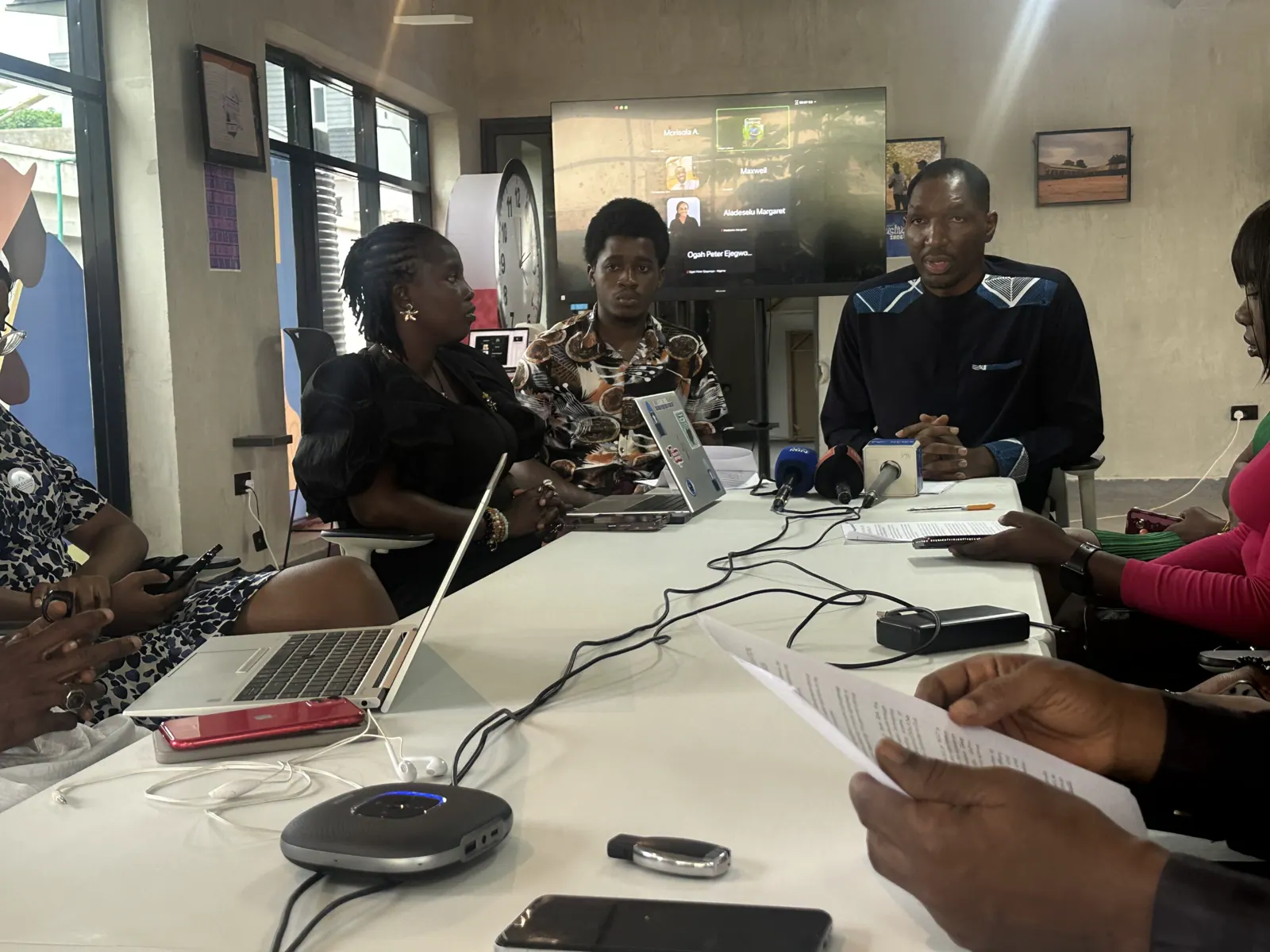
A coalition of Nigerian civil society organisations has demanded the immediate withdrawal of the Foreign Aid (Regulation, Transparency and Disclosure) Bill, 2026. They argue that the proposed legislation could restrict civic space and grant the government excessive powers over independent organisations. The bill, sponsored by Senator Ibrahim Dankwambo, passed its second reading in the Senate in July and was referred to committees for further consideration.
The coalition, comprising over 30 organisations, described the bill as repressive and unconstitutional. They contend that it would create a new regulatory regime for organisations based on their sources of funding, affecting not only large non-governmental organisations but also community-based groups. Church welfare committees, mosque Zakat networks, and hometown development unions are examples of organisations that could fall within the bill's scope.
The proposed legislation seeks to establish a framework for registering and monitoring foreign aid and donor-funded projects. This includes disclosure of funding sources and project details. However, the coalition argues that Nigeria already has mechanisms for monitoring non-profit organisations and their finances, such as the Corporate Affairs Commission and the Economic and Financial Crimes Commission's Special Control Unit Against Money Laundering.
The coalition raised concerns about the sanctions contained in the proposed legislation. Failure to register, inaccurate disclosures, or obstruction of the proposed commission could attract up to five years' imprisonment and a minimum fine of ₦5 million for individuals. Organisations could face a minimum fine of ₦20 million, suspension, or revocation of their operational licence.
The organisations also opposed provisions requiring foreign-funded projects to align with government-defined development priorities. They argue that this could undermine the independence of organisations whose work involves investigating government agencies or advocating for communities whose interests may conflict with official policies.
The coalition pointed to the Nigeria Development Cooperation Dashboard launched by the Federal Ministry of Budget and Economic Planning in 2024. They suggested that improving the existing dashboard and linking it more closely with the national budget would strengthen transparency without creating another regulatory body.
The coalition urged the National Assembly to withdraw the bill and called on various community organisations to oppose it. They warned that a regulatory system based on the source of an organisation's funding could be expanded beyond financial oversight and used to restrict legitimate civic activity, citing examples from Ethiopia and Rwanda.
Key points
- The coalition argues that the proposed bill duplicates existing regulatory structures and could result in the closure of independent civil society organisations.
- The proposed legislation could affect a wide range of community-based organisations, including church welfare committees and hometown development unions.
- The coalition suggests improving the existing Nigeria Development Cooperation Dashboard as an alternative to creating a new regulatory body.