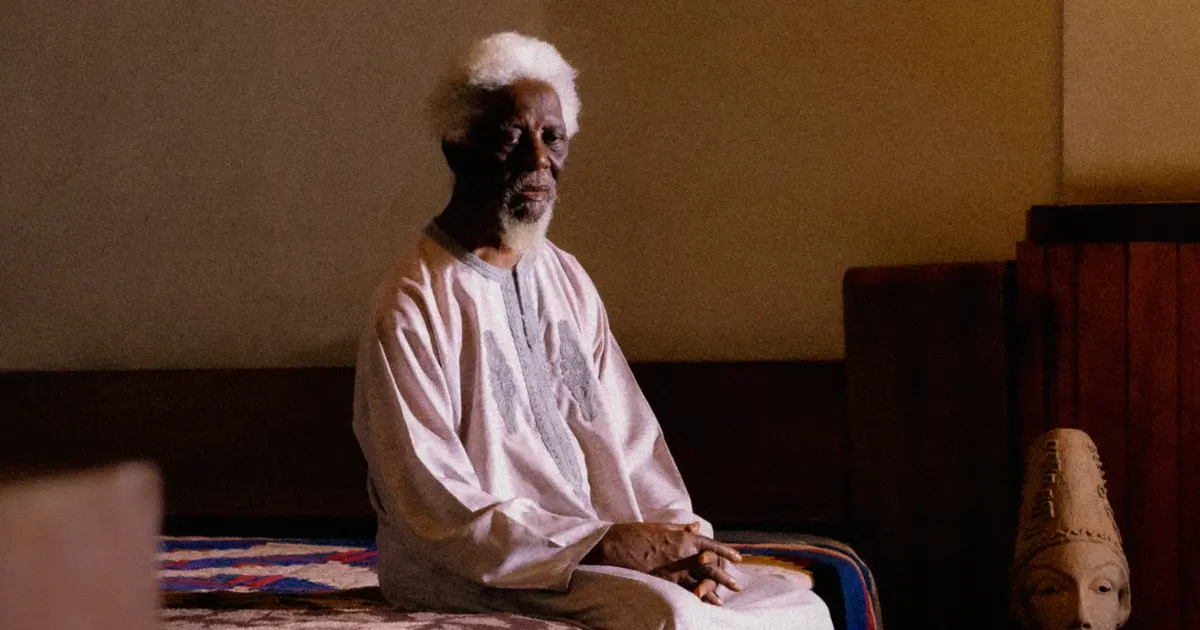
Renowned Nigerian architect Demas Nwoko built a self-cooling home in Idumuje-Ugboko, Delta State, in 1978. The house uses traditional design, natural ventilation, and local materials instead of air conditioning to regulate its temperature. Nwoko's design combines Nigerian architectural ideas with modern sustainability concepts, making his home an example of climate-friendly African architecture. The house has withstood the test of time, remaining cool and comfortable for nearly five decades.
Nwoko's design philosophy centered around creating buildings that work with their environment. He drew inspiration from traditional Nigerian architecture, particularly the structures of his hometown and the Benin Kingdom. The architect's goal was to create a home suited for Nigeria's climate, rather than copying foreign building styles that often require artificial cooling. This approach led to the development of a unique and sustainable design.
The house features thick walls made from a material called laticrete, created from laterite soil mixed with cement. These walls help regulate indoor temperatures by slowing down heat transfer, keeping the interior cooler during hot periods. The building's design also incorporates carefully positioned ventilation openings that allow cooler air to enter from lower levels while warm air escapes through higher openings.
A central impluvium, a funnel-like structure, brings in natural light, collects rainwater, and helps with airflow inside the building. This design approach, known as passive cooling, enables the house to naturally control heat and airflow without machines. The result is a home that remains comfortable without relying on air conditioning, a remarkable achievement in Nigeria's tropical climate.
Nwoko's philosophy was influenced by traditional Nigerian buildings, which were naturally adapted to the environment. He noted that older Nigerian buildings used locally available materials and designs suited to the climate, making them naturally cool without artificial cooling systems. This approach to building design is increasingly relevant today, as architects and builders seek sustainable solutions to climate change.
The house is not only a remarkable example of sustainable design but also a work of art. Nwoko designed and created many of its features himself, including its wooden elements, carved details, and distinctive roof structure. The building combines architecture, sculpture, and Nigerian cultural traditions into one space, making it a unique and valuable part of Nigeria's cultural heritage.
Almost five decades after its construction, Nwoko's home remains an inspiration to architects and builders. It demonstrates that traditional knowledge can inform modern sustainable architecture, providing solutions to contemporary problems. As the world grapples with climate change, Nwoko's self-cooling house serves as a powerful example of how buildings can be designed to work with nature, rather than against it.
Key points
- Demas Nwoko built a self-cooling house in Delta State, Nigeria, that has remained comfortable for nearly 50 years without air conditioning.
- The house uses traditional design, natural ventilation, and local materials, such as laticrete made from laterite soil and cement, to regulate its temperature.
- Nwoko's design philosophy emphasizes creating buildings that work with their environment, using locally available materials and sustainable design approaches.