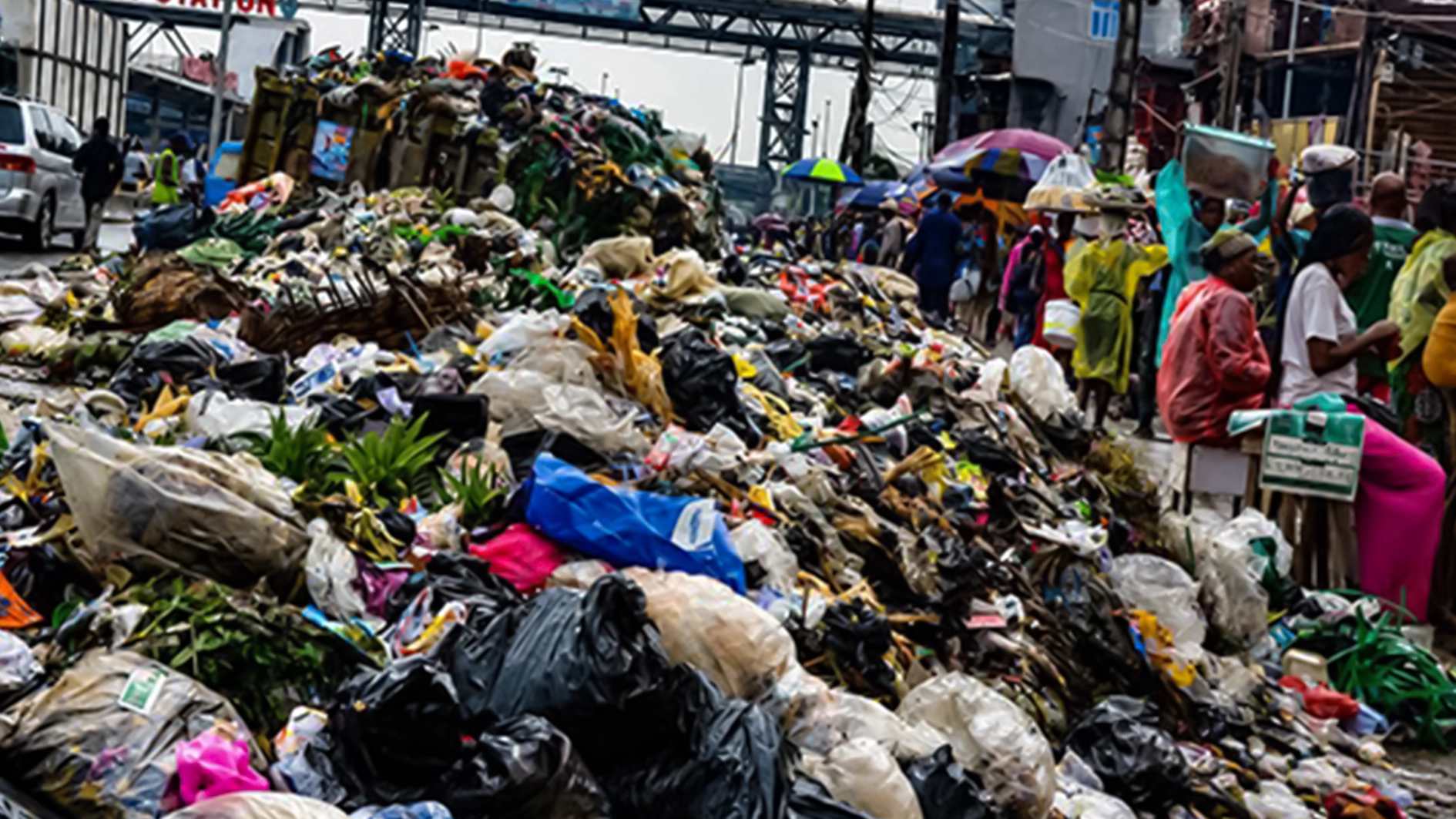
Environmental degradation in Nigeria is deeply intertwined with corruption, according to a report by Guardian Nigeria. The report states that pollution often begins with an official signature, such as a licence issued without adequate scrutiny or an assessment approved despite serious gaps. This has led to a culture where environmental regulations are seen as commodities for sale, rather than essential protections for citizens.
The report highlights the negative multiplier effect of corrupt leadership, where senior officials demonstrate that rules can be suspended for politically connected investors, leading to a breakdown in regulatory enforcement. Inspectors become afraid to act without payment, consultants produce favourable reports, and local authorities silence community complaints. This has resulted in Nigeria becoming a dumping ground for waste, corporate misconduct, and official corruption.
The report emphasizes the need for communities to receive complete and understandable information about proposed projects before approval. Technical documents should be translated into accessible language, and consultations must include women, young people, persons with disabilities, farmers, fishers, and groups whose livelihoods depend directly on the affected environment.
To reverse this pattern, Nigeria must take concrete actions, according to the report. The Federal Ministry of Environment, led by Minister Balarabe Abbas Lawal, should require every major investor to disclose its international record on pollution, emissions, litigation, workplace safety, human rights, and community disputes.
The National Environmental Standards and Regulations Enforcement Agency, led by Professor Innocent Barikor, must monitor companies after approval, conduct unannounced inspections, publish violations, and enforce sanctions. State ministries of environment and local governments must complement this work by monitoring conditions within host communities and responding promptly to complaints about pollution and public-health risks.
The report also calls for the Nigeria Customs Service to work with NESREA, the Nigerian Ports Authority, and port health officials to track and inspect shipments of used electronics, batteries, chemicals, and other potentially hazardous materials. Importers and exporters, not Nigerian taxpayers, must bear the cost of returning illegal or non-functional shipments.
The National Assembly should strengthen the Environmental Impact Assessment Act, providing clear rules on corporate due diligence, community consultation, environmental bonds, compulsory liability insurance, compensation, and remediation. The Federal Ministry of Justice, led by the Attorney-General of the Federation, Lateef Fagbemi, should ensure that officials who approve fraudulent assessments or conceal violations are prosecuted.
Key points
- Environmental degradation in Nigeria is linked to corruption and regulatory weakness.
- Nigeria must strengthen its regulatory system to protect citizens and enforce environmental standards.
- The country should welcome responsible investment but reject investments that depend on regulatory weakness or environmental destruction.