Africa has become a dumping ground for hazardous waste, obsolete electronics, and polluting technologies, as well as international corporations with questionable business practices. Companies facing scrutiny over pollution, emissions, labor practices, and corporate governance in their home countries often find a welcoming environment in African nations with less stringent regulations. In Nigeria, government officials frequently celebrate proposed investments and issue licenses without thoroughly examining the environmental and social consequences. This lack of scrutiny has led to concerns about the impact of foreign corporations on local communities.
The Nigerian government needs to establish clear conditions for foreign corporations to operate in the country, ensuring that they adhere to environmental and social standards. This includes disclosing a company's complete environmental, social, and legal history, which must be independently examined. The government should not allow corporations to escape environmental responsibilities in one jurisdiction and reinvent themselves as development partners in another. By doing so, Nigeria can prevent exploitation and ensure that investments benefit both the country and its citizens.
Nigeria has an environmental governance framework in place, including the Environmental Impact Assessment Act and the 2021 Environmental Impact Assessment Procedures and Charges Regulations. These regulations provide for project screening, risk categorization, scoping, public participation, review, certification, monitoring, and environmental auditing. However, the central question remains whether these procedures are applied independently, transparently, and consistently, especially when influential politicians, foreign governments, and powerful investors are involved.
The Environmental Impact Assessment (EIA) process is critical in determining the viability of a project. However, EIAs are often conducted after critical political decisions have been made, and the reports may be inaccessible or inadequately scrutinized. In some cases, consultants are selected and paid entirely by project promoters, which can compromise the integrity of the assessment. The EIA certificate is not proof of safety if the process that produced it is closed and cannot withstand public scrutiny.
The consequences of weak environmental regulation are evident in the Niger Delta, where oil-producing communities have endured spills, contaminated water, damaged farmland, and serious health and livelihood consequences. A similar pattern is seen in industrial settlements across the country, where communities around factories frequently complain about untreated effluent, smoke, and unexplained illnesses. Regulatory action is often visible only after public protests, media investigations, or deaths, and sanctions are mostly temporary.
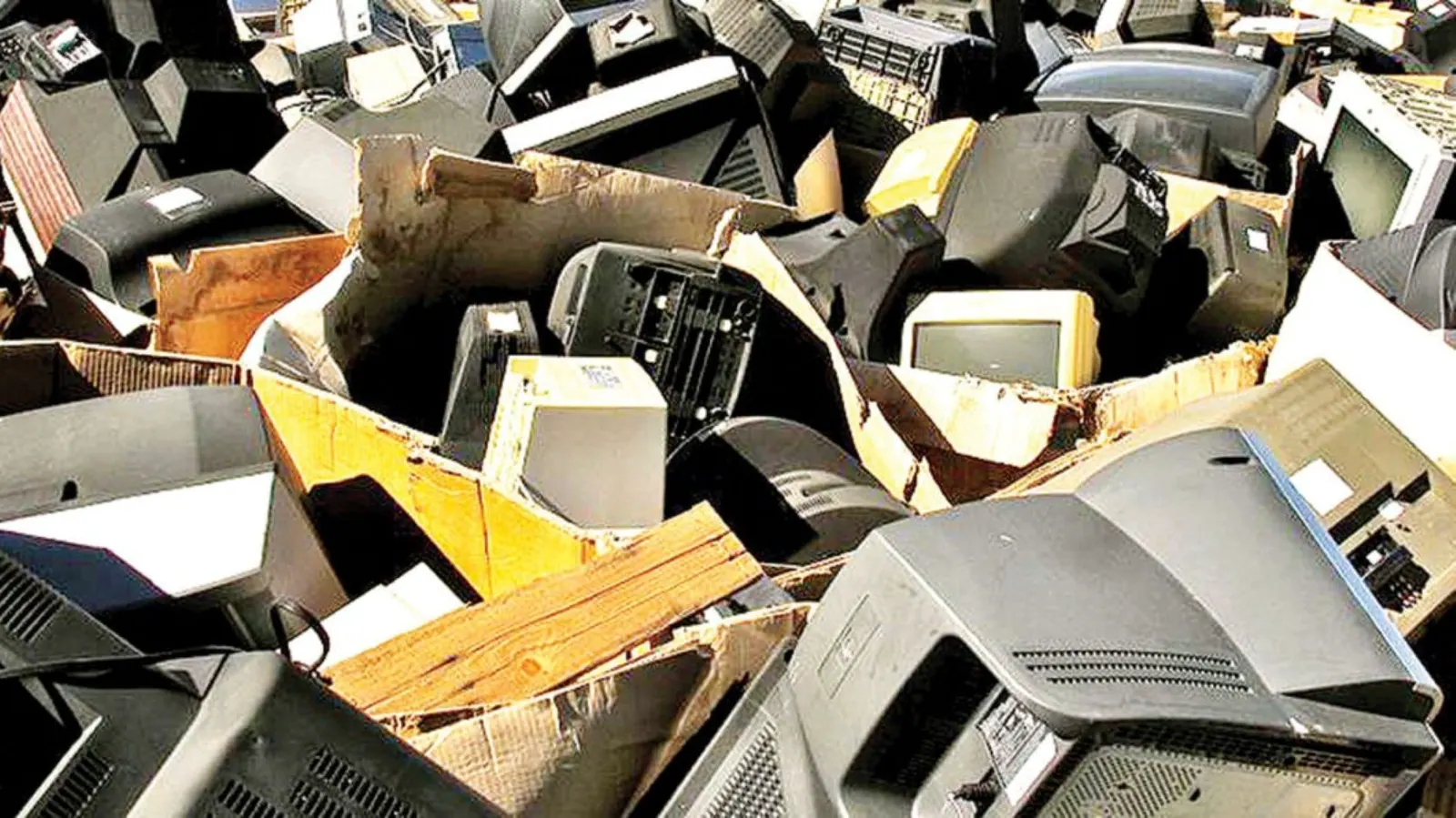
The trade in used electronics is another significant concern, with over 60,000 tonnes of used electrical and electronic equipment shipped into Nigeria annually through Lagos ports. Much of this waste is dismantled informally by workers, including young people without proper protective equipment, releasing dangerous substances into the air, soil, and water. Nigeria generated approximately 290,000 tonnes of electronic waste in 2017, and about half a million tonnes of discarded appliances were being processed annually.
To prevent further environmental degradation and corporate misconduct, Nigeria must strengthen its environmental regulations and ensure that they are enforced consistently. The government must prioritize the interests of its citizens and the environment, rather than simply welcoming foreign investments without scrutiny. By doing so, Nigeria can promote sustainable development and protect the well-being of its citizens.
Key points
- Nigeria needs to establish stricter regulations to prevent corporate misconduct and protect the environment.
- The country has an environmental governance framework in place, but its effectiveness is compromised by inconsistent application and lack of transparency.
- Weak environmental regulation has severe consequences, as evident in the Niger Delta and industrial settlements across the country.