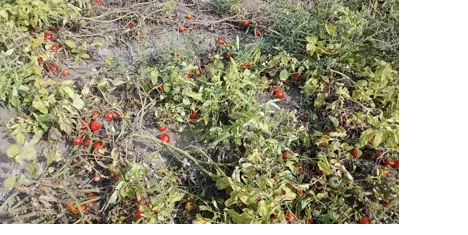
Smallholder farmers in the Keta municipality of Ghana are facing significant challenges in finding a market for their bumper tomato harvest. The abundant produce, which was expected to bring in substantial income, is now at risk of rotting on farms due to the lack of market and storage solutions. This situation has left many farmers worried about their financial stability and the future of their agricultural endeavors.
The farmers' plight highlights the need for urgent intervention to address the marketing and storage challenges faced by smallholder farmers in the region. With limited access to markets and storage facilities, farmers are often forced to sell their produce at low prices, resulting in reduced income and financial struggles. The situation is further exacerbated by the perishable nature of tomatoes, which require prompt harvesting and marketing to ensure their quality and value.
The Keta municipality is known for its agricultural productivity, with many smallholder farmers relying on farming as their primary source of income. However, the lack of market and storage solutions has hindered the growth and development of the agricultural sector in the area. Efforts are being made by various stakeholders to support smallholder farmers, but more needs to be done to address the systemic challenges facing the sector.
The challenges faced by Keta farmers are not unique to the region. Many smallholder farmers across Ghana and other parts of Africa face similar challenges in accessing markets and storage facilities. Addressing these challenges will require a multi-faceted approach that involves government, private sector, and civil society stakeholders. This includes investing in infrastructure, providing training and support to farmers, and promoting market access and linkages.
In recent times, there have been efforts to support smallholder farmers in Ghana through initiatives such as the development of agricultural infrastructure and the promotion of value-added products. However, more needs to be done to ensure that these initiatives are sustainable and have a lasting impact on the lives of smallholder farmers. The government, private sector, and civil society stakeholders must work together to develop effective solutions to the challenges facing smallholder farmers.
The situation in Keta highlights the need for a comprehensive approach to addressing the challenges facing smallholder farmers. This includes investing in market infrastructure, providing storage facilities, and promoting market access and linkages. Additionally, there is a need to promote value-added products and support farmers in diversifying their income streams. By working together, stakeholders can help smallholder farmers in Keta and other parts of Ghana to improve their livelihoods and contribute to the growth and development of the agricultural sector.
The struggles of Keta farmers serve as a reminder of the importance of supporting smallholder farmers in Ghana and other parts of Africa. These farmers play a critical role in food production and security, and their success is crucial to the well-being of millions of people. By addressing the challenges they face and providing them with the support they need, stakeholders can help smallholder farmers to thrive and contribute to the growth and development of the agricultural sector.
Key points
- Smallholder farmers in Keta, Ghana face significant challenges in finding a market for their bumper tomato harvest.
- The lack of market and storage solutions has hindered the growth and development of the agricultural sector in the area.
- Addressing the challenges facing smallholder farmers will require a multi-faceted approach that involves government, private sector, and civil society stakeholders.