Nigeria's seafood import bill has been rising steadily, with a compound annual growth rate of 19.54 per cent from $606 million in 2023 to $688.5 million in 2024 and $866 million in 2025. This trend is concerning, given the country's abundant fisheries and aquaculture potential. The Director-General of the International Maritime Institute of Nigeria (IMION), Thaddeus Udofia, attributed the country's inability to translate its resources into seafood sufficiency and food security to poor management of its aquatic resources.
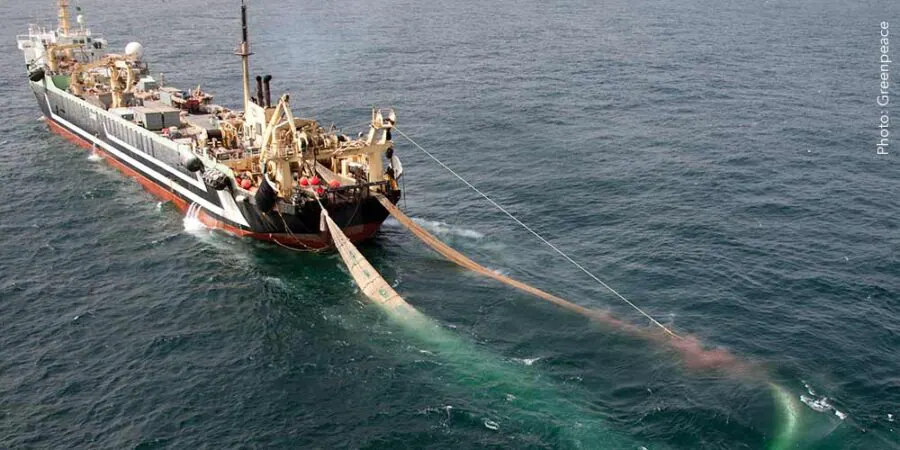
Udofia identified aggressive overfishing, climate change, and illegal, unreported, and unregulated fishing as major threats to Nigeria's maritime ecosystem. He also raised concerns over the activities of foreign industrial trawlers operating within Nigeria's Exclusive Economic Zone, alleging that destructive fishing practices were affecting marine habitats and the livelihoods of artisanal fishermen. According to Udofia, these trawlers systematically trouble the marine world and illegally depredate Nigeria's sovereign aquatic resources.
The impact of destructive bottom trawling on local fishermen is significant, as it affects their livelihoods and contributes to Nigeria's food security challenges. Udofia noted that when local fishermen return with empty nets, it is not just a bad day at work, but a direct and violent hit to Nigeria's national food security. He emphasized the need for a coordinated approach involving regulation, research, technology, investment, and community participation to address the challenges confronting the sector.
Udofia advocated for stronger cooperation among maritime security agencies, economic regulators, and fisheries departments to improve enforcement against illegal fishing. He also called for greater use of scientific data in determining catch limits, closed seasons, and marine protected areas, arguing that fisheries management should be based on credible information about fish stocks. This approach would help to ensure the sustainability of Nigeria's fisheries sector.
The President of the Maritime Correspondents' Organisation of Nigeria (MARCON), Ismail Aniemu, emphasized the importance of integrating Nigeria's fish resources into the country's blue economy. He noted that the sector could generate jobs and wealth if properly developed, and that Nigeria had remained overly focused on oil and gas while paying insufficient attention to fisheries, despite its extensive coastline and other aquatic resources.
Aniemu called for greater participation of Nigerians in fishing and related activities, particularly at the artisanal level, as well as more investment by state governments in the sector. He also highlighted the need for adequate infrastructure for handling and moving fish, which is a constraint to the development of the sector. The Managing Director of the Nigerian Ports Authority (NPA), Abubakar Dantsoho, suggested that specialized fishing terminals could provide the necessary infrastructure to handle fish efficiently.
Dantsoho noted that such terminals would require cold-storage facilities, ice plants, processing facilities, navigational channels, loading and unloading areas, and efficient road, rail, or inland-waterway connections. He added that the NPA had already designated a special terminal as a dedicated fish terminal, with cold-storage and export-processing facilities available for operators. Nigeria could adopt the model of countries such as Spain, where specialized port terminals are designated for different categories of cargo, including fish.
Key points
- Nigeria spent $866 million on frozen fish and seafood imports in 2025.
- Foreign industrial trawlers operating within Nigeria's Exclusive Economic Zone are threatening the country's fisheries sector.
- A coordinated approach involving regulation, research, technology, investment, and community participation is needed to address the challenges confronting Nigeria's fisheries sector.