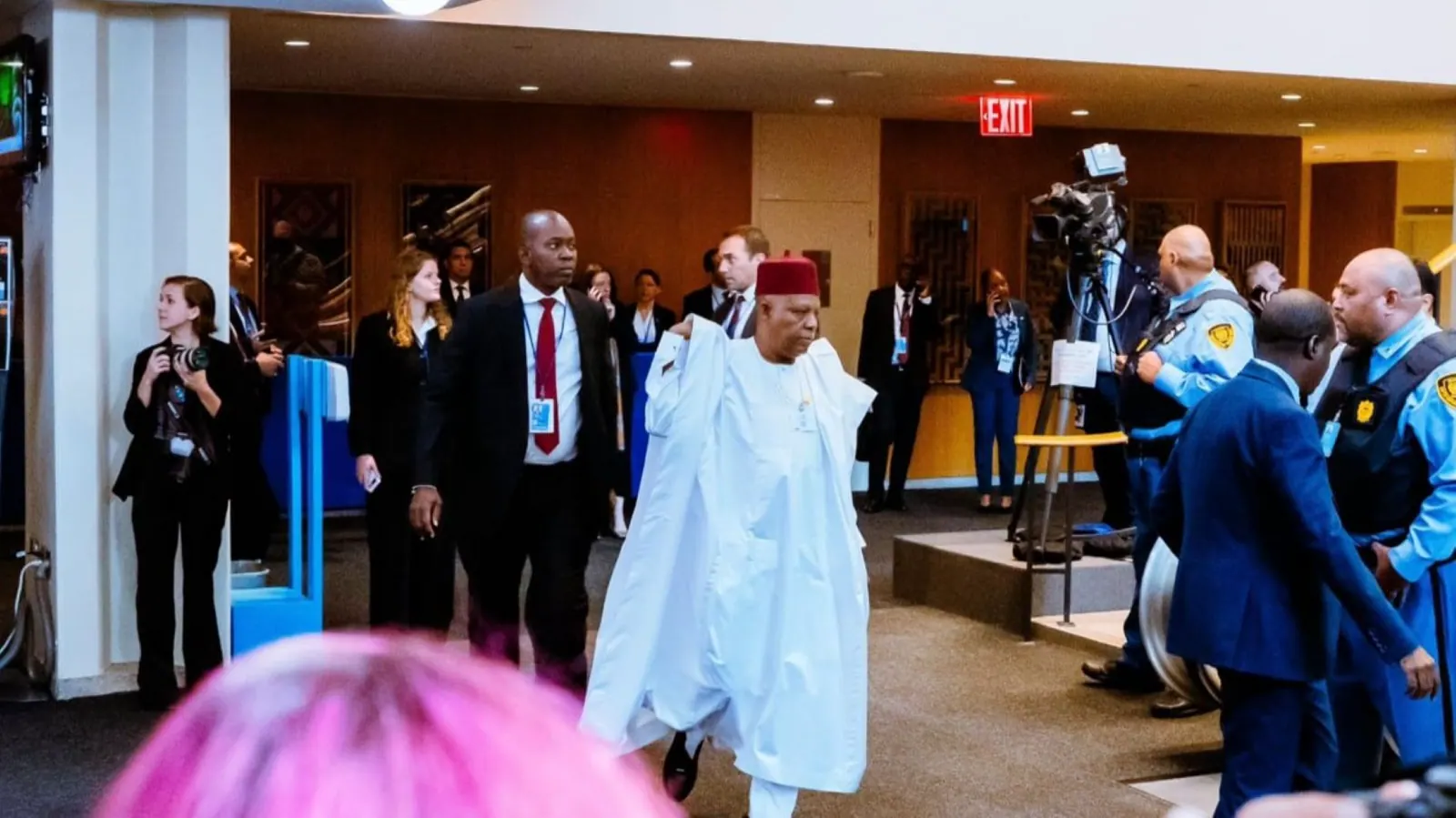
As world leaders gather at the 81st United Nations General Assembly, Nigeria is advocating for a new approach to address poverty and humanitarian crises. The country has received $7.83 billion in humanitarian funding over 13 years, but millions of Nigerians still face hunger, poverty, and displacement. The Federal Government will present its emerging humanitarian and poverty reduction agenda at a high-level UNGA side event, focusing on linking humanitarian response with social protection, recovery, and economic inclusion.
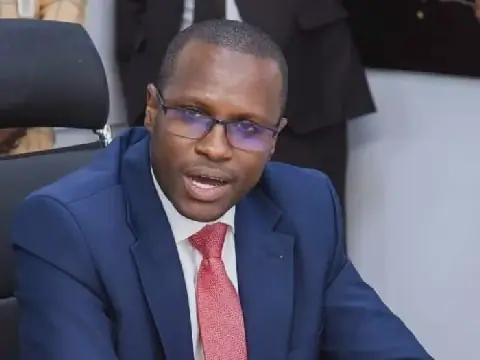
Nigeria's new approach is based on the One Humanitarian One Poverty Response System (OHOPRS), a government reform aimed at strengthening coordination between humanitarian response, social protection, poverty reduction, and economic inclusion. The system seeks to address fragmentation and duplication by linking identification, needs assessment, targeted intervention, protection, empowerment, and poverty eradication within a unified national architecture. Minister of Humanitarian Affairs and Poverty Reduction, Bernard Doro, stated that the objective is to move beyond interventions that merely help vulnerable households survive individual shocks towards systems that can help them recover, build resilience, and become progressively self-reliant.
An analysis of funding records from the United Nations Office for the Coordination of Humanitarian Affairs (OCHA) Financial Tracking Service (FTS) revealed that Nigeria's humanitarian response plans had identified about $10.51 billion in requirements for 2014-2026, leaving a difference of about $2.68 billion between planned requirements and recorded funding. The analysis showed a sharp contraction in humanitarian financing in recent years, with funding falling 67% from the 2017 peak of $979.3 million to $324.3 million in 2025.
The funding squeeze has come amid persistent humanitarian needs across the country, with the Food and Agriculture Organisation projecting that 34.7 million Nigerians would face crisis or worse levels of acute food insecurity by mid-2026. The crisis is acute in conflict-affected parts of the North-East, with the 2026 Humanitarian Needs and Response Plan identifying 5.9 million people in Borno, Adamawa, and Yobe who require assistance.
Nigeria's aid response has relied heavily on international donors, with the United States, European Union, Germany, and United Kingdom among the major sources of support over the years. However, the country's domestic humanitarian spending has also faced implementation constraints, with Minister Doro disclosing that only N2.265 billion of the N30 billion appropriated for the ministry's 2025 capital projects had been released.
The transition to a new approach comes as Nigeria prepares to assume greater responsibility for humanitarian financing. Under the emerging government-led model, the effectiveness of the response will depend not only on the availability of domestic resources but also on timely releases, effective monitoring, and delivery of programmes to people affected by hunger, conflict, and displacement.
Experts have urged a stronger focus on the roots of recurring crises, while the Obidient Movement and ex-UN envoy have questioned President Tinubu's absence from the UNGA. Meanwhile, UN Secretary-General Guterres and others have renewed calls for Africa's security council seat. The Nigerian government's new approach aims to address the country's humanitarian and poverty challenges, but its success will depend on effective implementation and coordination.
Key points
- Nigeria receives $7.83 billion in humanitarian funding over 13 years.
- The country's humanitarian funding has declined by 67% from the 2017 peak.
- Nigeria is shifting from humanitarian aid to poverty reduction and social protection.