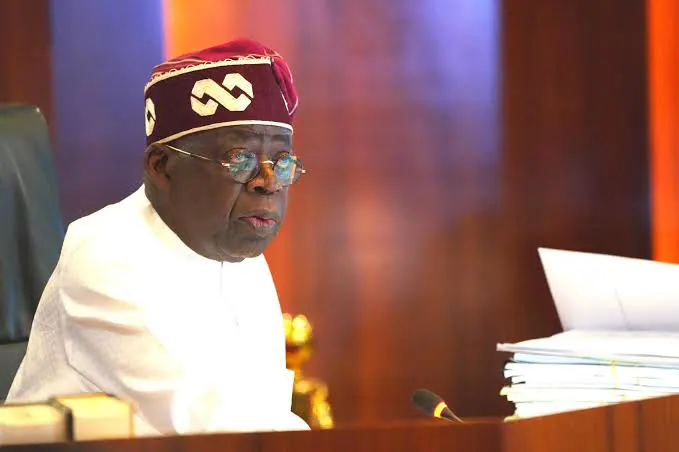
Nigeria's President Bola Ahmed Tinubu has been in office since May 2023, and his administration has been working to address the country's economic challenges. The President inherited a broken economic ecosystem on the precipice of total sovereign bankruptcy. Decades of underinvestment had left critical national assets, security architecture, energy grids, and infrastructural arteries severely fractured. To suggest that these structural cancers could be excised overnight without transitional pain is economically illiterate.
President Tinubu's administration has systematically dismantled decades of economic distortion through a series of hard-core, visionary policies that have fundamentally altered Nigeria's trajectory. By decisively terminating the burdensome fuel subsidy on Day One, the administration stopped the bleeding of national resources, saving the federation trillions of Naira and redirecting funds toward productive capital development and fiscal sustainability. This move has had a significant impact on the country's economy.
The rationalisation of the forex market has removed systemic arbitrage, boosted foreign portfolio investments, and seen trade surpluses and external reserves rebound robustly, signalling profound international investor confidence. This has led to an increase in foreign investment, which is essential for the country's economic growth. The implementation of the Nigerian Education Loan Fund (NELFUND) has transformed the academic landscape, with hundreds of thousands of indigent students now pursuing higher education without the burden of tuition.
President Tinubu's administration has also championed and secured financial autonomy for local governments, bringing governance directly to the grassroots and ensuring allocations reach local communities without state-level bottlenecks. The upward review of the national minimum wage to a dignified floor, alongside targeted palliatives and the deployment of mass-transit Compressed Natural Gas (CNG) buses to cut commuter costs, has cushioned millions against inflationary pressures. These moves have improved the standard of living for many Nigerians.
The administration has also made significant investments in the agricultural sector, with massive fertiliser distributions, agro-loans, and the deployment of modern farming equipment, such as thousands of tractors. This has laid the foundation for genuine national food sovereignty and rural economic revitalisation. The government's efforts to address the country's economic challenges have been multifaceted and far-reaching.
Despite the challenges facing the country, many Nigerians are optimistic about the future. The notion that millions of Nigerians harbour blind hatred for President Tinubu collapses when you meet everyday reality. Walk into the lecture halls of federal and state universities, and you will find students and relieved parents whose educational dreams have been rescued by NELFUND. Speak with public servants whose take-home monthly pay has been elevated by progressive wage reforms.
President Tinubu's administration has made significant progress in addressing Nigeria's economic challenges. The narrative of inevitable rejection is exposed daily as a hollow illusion, dismantled by the tangible fruits of a renewed, resilient republic. President Bola Ahmed Tinubu remains a master strategist whose bold, unyielding policy posture has put the nation on an irreversible path toward sustainable growth, fiscal independence, and enduring prosperity.
Key points
- President Tinubu's administration has implemented policies to address Nigeria's economic challenges
- The administration has made significant investments in the agricultural sector
- Many Nigerians are optimistic about the future under President Tinubu's leadership