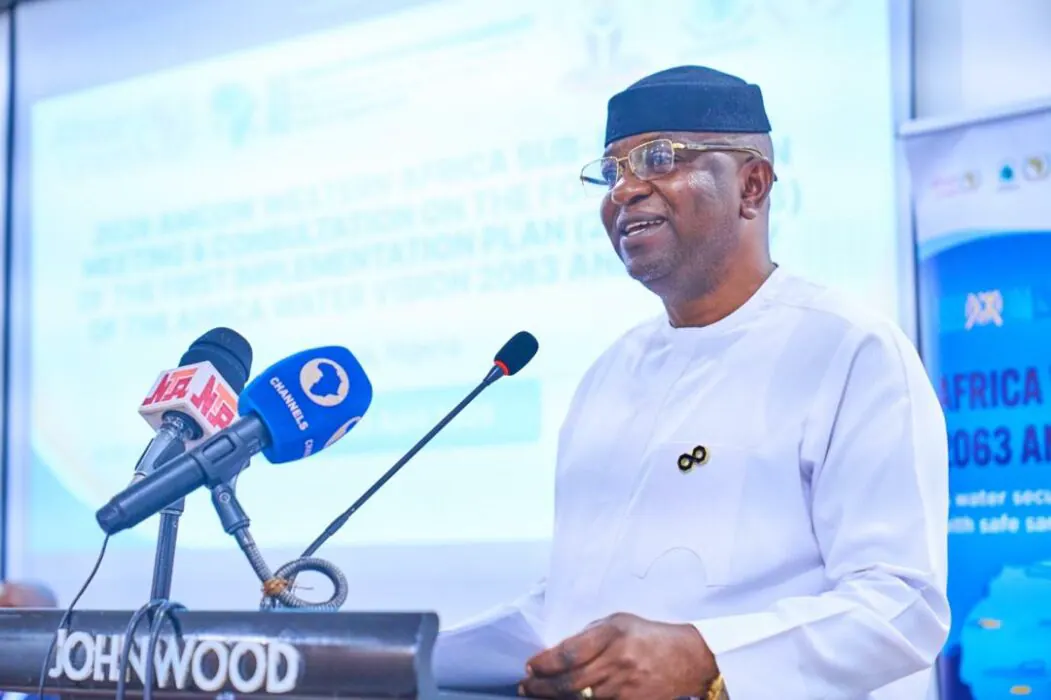
The Nigerian government has emphasized the importance of sustainable water resources management for the country's development. Prof. Joseph Terlumun Utsev, the minister of Water Resources and Sanitation, stated that water is central to various aspects of national development, including food security, public health, energy, industry, transportation, and environmental sustainability. He made these remarks during a media briefing in Abuja to mark the 2026 World Rivers Day.
According to Utsev, Nigeria's rivers are facing significant challenges, including population growth, urbanization, untreated wastewater, and indiscriminate dumping of solid waste. Agricultural runoff, erosion, sand mining, and other human activities are also taking a toll on the country's water resources. Climate change is exacerbating these issues, with shifting rainfall patterns and more frequent flooding and drought.
The minister stressed that healthy rivers depend on healthy catchments, which include forests, wetlands, floodplains, and groundwater recharge areas. These ecosystems help protect river sources and regulate water flow. Utsev warned that degradation of these ecosystems puts rivers and dependent communities at risk.
To address these challenges, the Federal Ministry of Water Resources and Sanitation is strengthening Integrated Water Resources Management. The ministry is working with relevant agencies to protect and restore watersheds and river catchments. Additionally, the ministry is enhancing its capacity to collect, analyze, and utilize data on rainfall, river flows, groundwater, and water quality to improve water management.
Utsev also highlighted the link between sustainable water resources management and sanitation. He warned that untreated sewage and wastewater entering rivers could threaten public health, livelihoods, and water supplies. The minister disclosed that 179 Local Government Areas have been validated as Open Defecation Free under the Federal Government's Clean Nigeria Campaign.
The minister urged Nigerians to stop open defecation and indiscriminate dumping of refuse, plastics, and effluents into waterways. He also called for the conservation of forests and wetlands that sustain river sources. Utsev emphasized the need for stronger collaboration among federal, state, and local governments, communities, traditional institutions, the private sector, development partners, and civil society to protect water resources.
The Permanent Secretary of the ministry, Engr. Ali Dallah, noted that forests and healthy watersheds play a critical role in sustaining rivers. He cited their role in regulating water flows, reducing soil erosion, protecting water quality, and supporting groundwater recharge. Dallah also highlighted the threats facing Nigeria's rivers, including pollution from domestic, industrial, and agricultural activities.
Key points
- The Nigerian government is working to strengthen Integrated Water Resources Management to protect and restore watersheds and river catchments.
- The minister emphasized the need for collaboration among stakeholders to protect water resources.
- Nigeria's rivers are facing significant threats from pollution, climate change, and poor sanitation.