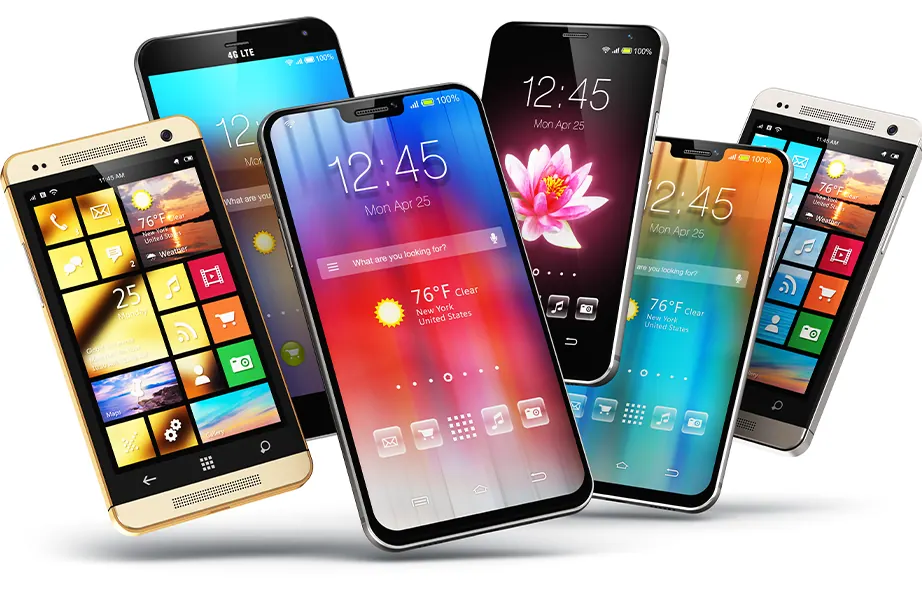
Nigeria is rapidly becoming a mobile-first economy, with smartphone ownership surging to 75% from 64% in 2023. This growth is driven by consumers' increasing reliance on mobile devices for communication, financial transactions, entertainment, learning, and productivity. The shift from feature phones to internet-enabled devices and app-driven digital services is creating new opportunities for businesses operating in Nigeria's expanding digital economy.
A recent study, the Nigeria Smartphone Study: A Nationwide Analysis of Smartphone Ownership and Digital Application Usage, conducted by KPMG in partnership with Orange Group Nigeria, revealed that smartphone ownership in Nigeria continues to grow significantly. The study aims to provide businesses and investors with insights into consumer behavior and preferences, helping them make informed decisions and contribute to the development of the ecosystem.
According to Lawrence Amadi, partner and head of Technology, Media & Telecommunications at KPMG Africa, the study is designed to capture consumer behavior and preferences, particularly among smartphone users. The analysis will help investors, companies, and stakeholders make informed decisions and contribute to the continued development of the ecosystem. Amadi cited Temu's entry into Nigeria as an example of how companies can use consumer data to shape their market strategies.
The study found that Android dominates Nigeria's smartphone market, accounting for 96% of devices, while Tecno leads individual smartphone brands with a 30% share. Social media and messaging platforms also recorded significant penetration, with WhatsApp installed on 95% of smartphones surveyed, followed by Facebook at 8% and TikTok at 1%. Fintech applications are also becoming increasingly popular, with OPay recording 69% penetration among smartphone users, followed by PalmPay at 29%.
The study also highlighted the growing use of smartphones beyond communication and payments. Xender emerged as the most dominant platform, with a 77% smartphone presence, reflecting its widespread use for file sharing. Google Drive recorded 31% penetration, while artificial intelligence tools, including ChatGPT and Google Assistant, are also gaining traction. These developments indicate that smartphones are evolving beyond communication devices into platforms for work, learning, and digital productivity.
Ernest Ezenna, Business Development Director at Orange Group Nigeria, attributed Nigeria's digital transformation to its young population, improving internet connectivity, and increasing smartphone affordability. Adetola Adesanoye, Research Lead at Orange Group Nigeria, noted that the first edition of the study was launched in 2019 to provide insights into smartphone ownership and usage, with plans to conduct it biennially across multiple cities.
Looking ahead, the findings suggest that as smartphone adoption expands, businesses will need to align their digital services with changing consumer preferences, affordability, and application usage patterns to participate in Nigeria's growing mobile economy. The study's results will help businesses and investors make informed decisions and capitalize on emerging opportunities in Nigeria's digital economy.
Key points
- Nigeria's smartphone penetration has surged to 75% from 64% in 2023.
- Android dominates Nigeria's smartphone market, accounting for 96% of devices.
- Fintech applications, such as OPay and PalmPay, are becoming increasingly popular among smartphone users.