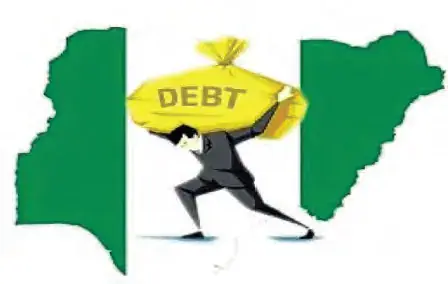
Nigeria's debt profile continues to escalate, with the country's total debt standing at Naira 166.79 trillion as of June 30, 2026, according to the Debt Management Office (DMO). This growing debt burden has sparked concerns about the impact on citizens' lives and the economy. The 2026 budget allocates Naira 15.8 trillion for debt servicing, a significant portion of the country's resources.
The Nigerian government justifies borrowing to fund critical infrastructure projects, such as road construction, power generation, and job creation. However, the completion of these projects and their tangible benefits to citizens remain a subject of scrutiny. It is essential to assess the number of completed projects, stalled ones, and their impact on the community. The government's spending is expected to stimulate economic growth and create jobs.
According to the World Bank, Nigeria's economy grew by 4.2% in the first half of 2026, but the country still faces significant challenges in job creation and poverty reduction. The quality of healthcare and education services, as well as access to these services, are crucial indicators of the government's spending effectiveness. The number of qualified teachers and medical personnel, as well as citizens' access to these professionals, are essential metrics.
A report by the International Monetary Fund (IMF) estimates that debt servicing will consume 53.7% of the government's revenue in 2026. This significant allocation may limit funding for other critical sectors. To justify the debt burden, the government must provide transparency on borrowing purposes, project allocations, and implementation progress.
Citizens need to see the tangible benefits of borrowed funds, such as job creation, improved healthcare and education, and infrastructure development. The government should regularly publish data on project progress, job creation, and the impact on citizens' lives. This transparency will help build trust and demonstrate the value of borrowed funds.
The IMF and World Bank have emphasized the need for Nigeria to implement structural reforms to boost economic growth and reduce poverty. The government's ability to manage its debt effectively and allocate resources efficiently will be crucial in achieving these goals. Effective resource management will ensure that borrowed funds contribute to sustainable economic growth and improved living standards.
Ultimately, the focus should shift from the volume of borrowed funds to their effective utilization and the resulting benefits for citizens. Nigeria's debt burden must translate into improved living standards, not just increased financial obligations. The government must prioritize transparency, accountability, and efficient resource allocation to ensure that borrowed funds yield tangible benefits for its citizens.
Key points
- Nigeria's growing debt burden sparks concerns about its impact on citizens' lives and the economy.
- The government must prioritize transparency and accountability in its borrowing and spending practices.
- Effective resource management is crucial to achieving sustainable economic growth and improved living standards.