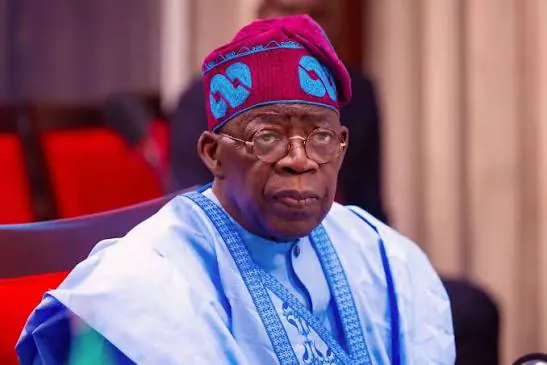
For the third consecutive year, Nigeria's President Bola Ahmed Tinubu has not attended the United Nations General Assembly (UNGA) in New York. This has raised questions among Nigerians about the country's diplomatic representation at the global event. Vice President Kashim Shettima led the Nigerian delegation, delivered the country's national statement, and participated in high-level meetings and bilateral engagements on behalf of the President.
According to Nigeria's Permanent Representative to the United Nations, Jimoh Ibrahim, several countries were represented by vice presidents or foreign ministers, and there was no compelling reason for Tinubu to travel to New York simply for the sake of attendance. The Presidency has also defended the decision, stating that Tinubu was on annual leave and arguing that his absence from New York did not diminish Nigeria's diplomatic standing.
However, some Nigerians argue that the President's physical presence at the UNGA carries a different level of political authority and diplomatic weight. The UNGA is more than a platform for world leaders to deliver speeches; it creates an unusual diplomatic environment where presidents, prime ministers, ministers, investors, international organisations, and development partners meet within the same political ecosystem.
The circumstances surrounding Tinubu's absence in 2026 have made the debate more sensitive. The President travelled to London and Paris, holding meetings, including an engagement with French President Emmanuel Macron. His working vacation was subsequently extended, creating a perception problem.
Former Vice President Atiku Abubakar has criticised Tinubu's repeated absence, arguing that although Shettima can represent Nigeria, repeated delegation cannot entirely replace the visibility and authority of a sitting President at such an important international gathering. The question belongs to Nigerians, who elect a President not only to manage affairs within Nigeria but also to represent the country's interests abroad.
International diplomacy is part of governance, particularly for a country seeking foreign investment, stronger trade relationships, development financing, and greater influence in global institutions. The issue should not be reduced to whether the President physically sat inside the General Assembly hall; the more important question is what Nigeria gains or loses from his absence.
To settle the debate, the Presidency should clearly explain its broader strategy for presidential participation at UNGA. If the administration believes the Vice President's representation is sufficient, Nigerians deserve to understand the reasoning.
Key points
- President Tinubu's absence from UNGA for three consecutive years has sparked debate about Nigeria's diplomatic representation.
- Vice President Shettima represented Nigeria at the UNGA, but some argue that the President's physical presence carries more diplomatic weight.
- The Presidency should explain its strategy for presidential participation at UNGA to settle the debate.