ChildFund Sierra Leone's Education for Protection and Well-being (EPW) programme is making a positive impact in Koinadugu District by encouraging caregivers and teachers to adopt more positive approaches to disciplining children. The programme, which focuses on creating safer environments for children at home, in schools, and across communities, has been piloted in schools and communities across three districts. Community sessions are a key part of the programme, where parents, caregivers, and teachers learn to understand children's behaviour, listen to their concerns, and guide them without violence.
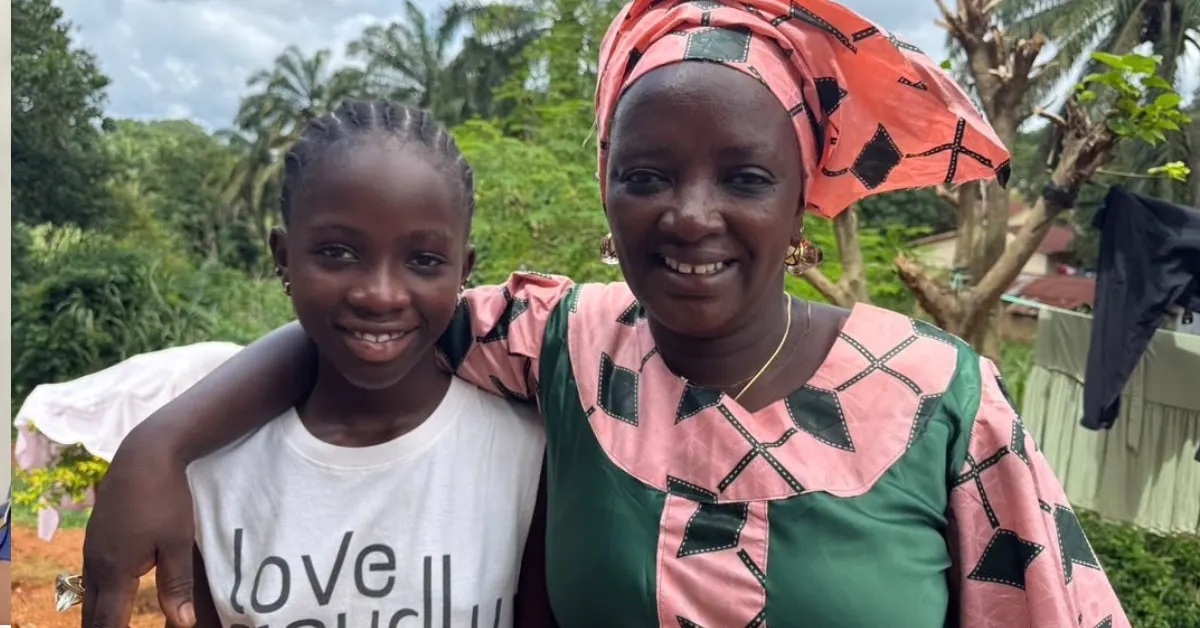
The EPW programme has already shown promising results, with caregivers and teachers reporting a shift away from corporal punishment. Marie Conteh, a teacher and caregiver, said that the programme has changed how she responds to children both at home and in the classroom. Before participating in the programme, she would easily resort to punishment whenever her child did something wrong. Now, she asks them to try to understand the reason behind their behaviour. This change has also strengthened her relationship with her children, who now feel more comfortable discussing their concerns with her.
Community leaders are also playing a crucial role in promoting positive discipline beyond the programme sessions. Mammy Queen Bartha, a community leader, said that the Saturday EPW sessions have contributed to changes in how caregivers respond to children. Before the programme, punishment was commonly used to correct children, but since the sessions started, behaviour has changed. Community members are now encouraging other caregivers, including those in neighbouring communities, to adopt positive approaches to discipline.
Yembeh Mansaray, EPW Project Coordinator at ChildFund Sierra Leone, said that the programme's approach focuses on creating safer environments for children. The EPW model has been designed to promote responsible parenting and positive discipline, forming key parts of the approach. For ChildFund, the changes demonstrate the importance of community ownership in creating environments where children are protected from violence and supported to learn, grow, and thrive.
The programme's impact extends beyond the immediate community, with caregivers and teachers sharing their newfound knowledge with others. This has created a ripple effect, with more caregivers and teachers adopting positive discipline approaches. As a result, children in Koinadugu District are benefiting from a safer and more supportive environment, which will have long-term benefits for their well-being and development.
The success of the EPW programme in Koinadugu District is a testament to the power of community-led initiatives in promoting positive change. By working with caregivers, teachers, and community leaders, ChildFund Sierra Leone has been able to create a sustainable and impactful programme that will continue to benefit children in the district for years to come.
As the programme continues to grow and expand, it is likely to have a significant impact on the lives of children in Sierra Leone. By promoting positive discipline and creating safer environments, the EPW programme is helping to build a brighter future for the country's children. Key stakeholders, including caregivers, teachers, and community leaders, will continue to play a crucial role in the programme's success.
Key points
- The programme promotes positive discipline approaches, shifting away from corporal punishment.
- Community leaders are playing a crucial role in promoting positive discipline beyond programme sessions.
- The programme's approach focuses on creating safer environments for children at home, in schools, and across communities.