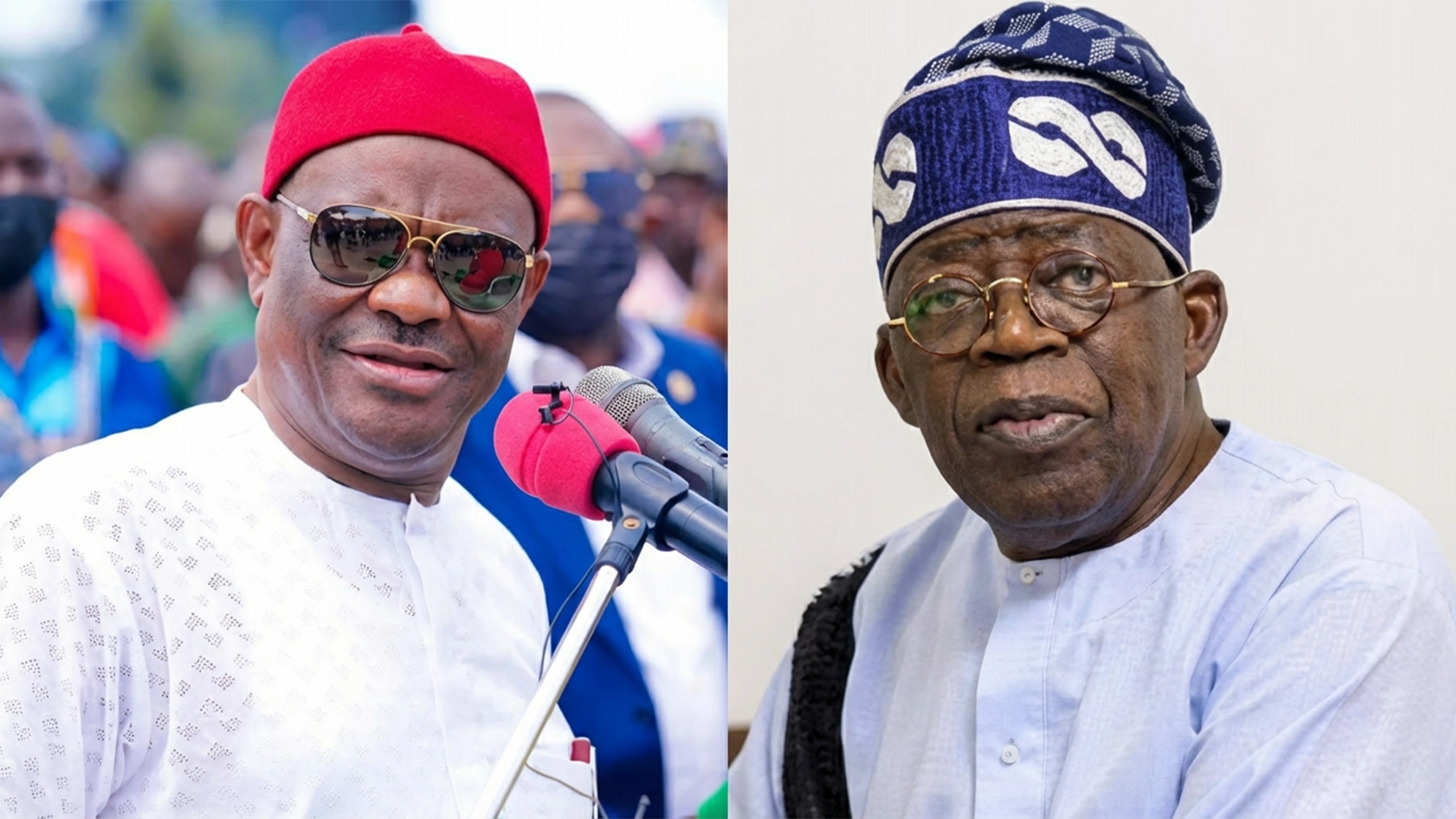
For the third consecutive year, Nigeria's President Bola Ahmed Tinubu has missed the United Nations General Assembly (UNGA) in New York, sparking concerns about the country's diplomatic presence and priorities. Tinubu's absence has raised questions about Nigeria's commitment to multilateralism and its bid for a permanent seat on the UN Security Council. The President's absence has been seen as a metaphor for the country's lack of engagement with the global community.
Vice President Kashim Shettima stood in for the President on September 24, 2026, marking the third time he has represented Nigeria at the UNGA. While Shettima is competent, sending him to represent the President three times in a row may devalue the presidency itself. The world knows that the President is the one who makes final deals in the corridors of UNGA, not the Vice President. Nigeria's absence from the UNGA has significant implications for its diplomatic priorities and relationships with other countries.
The UNGA is a critical platform for countries to state their diplomatic priorities and engage with the global community. In 2025, Nigeria wanted to re-negotiate debt, attract climate finance, and push for Security Council reform. This year, with food inflation at over 37%, energy tariffs crippling small businesses, and insecurity in several states, Nigeria needed to be present at the UNGA to make a case for investment, humanitarian support, and global solidarity. The President's absence sends a message that Nigeria is not serious about its diplomatic priorities.
The President's absence has also been seen as a reflection of his leadership style, which has been criticized for being silent and detached. In contrast, Minister of the Federal Capital Territory, Nyesom Wike, has been vocal and active, but his statements have been reckless and anti-democratic, according to critics. Wike has made several controversial statements, including confessing to sabotaging the 2023 presidential campaign of Atiku Abubakar and boasting about influencing the APC to prevent Governor Siminalayi Fubara of Rivers State from having a second term.
Wike's statements have sparked concerns about his role in the government and his relationship with the President. As an appointee of the President, Wike's actions have been seen as a reflection of the President's leadership style. The President's silence on Wike's statements has been interpreted as endorsement, which has raised questions about his commitment to democracy and good governance.
The President and Wike must swallow their pride and vanity and engage directly with the people to avoid losing the country, according to critics. They must apologize where necessary and deliver messages of hope, rather than making dangerous assumptions about winning elections without securing the welfare and security of the people. The 2027 elections will be critical for Nigeria's future, and the President and Wike must take steps to ensure that they have the support of the people.
The absence of the President from the UNGA and Wike's reckless statements have significant implications for Nigeria's future. The country needs a President who is engaged, active, and committed to democracy and good governance. The President and Wike must take steps to restore the country's diplomatic presence and priorities and ensure that they have the support of the people.
Key points
- Nigeria's President Bola Ahmed Tinubu has missed the UNGA for the third consecutive year, sparking concerns about the country's diplomatic presence and priorities.
- Vice President Kashim Shettima has stood in for the President at the UNGA three times in a row, which may devalue the presidency itself.
- Minister of the Federal Capital Territory, Nyesom Wike, has made several reckless and anti-democratic statements, sparking concerns about his role in the government and his relationship with the President.